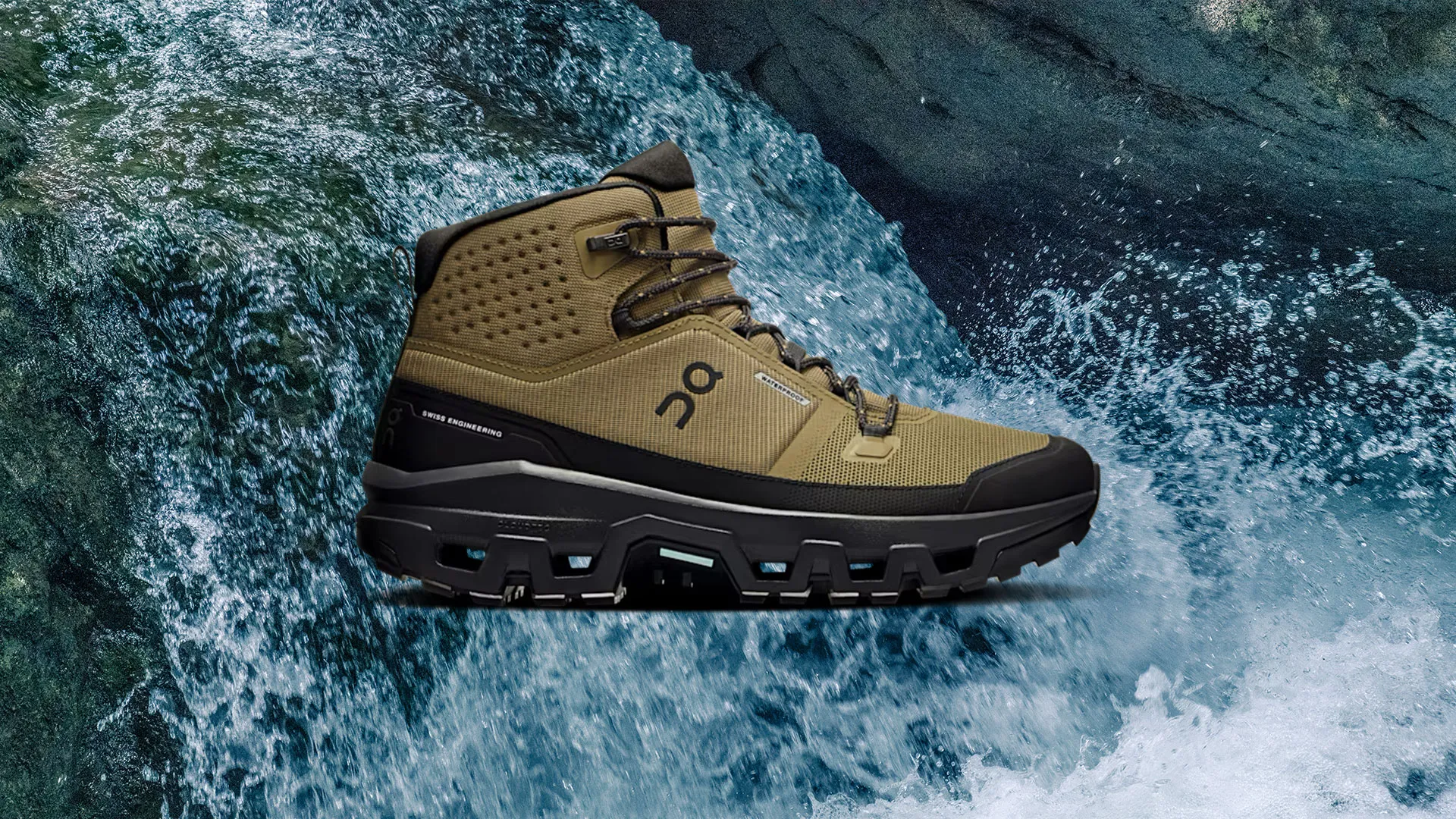
Yes, waterproof hiking boots can lose their waterproofing over time. Factors like material degradation, improper care, and frequent exposure to harsh conditions contribute to this loss. Visible leaks, unpleasant odors, and signs of wear indicate that your boots may no longer be effective against moisture. To maintain their waterproof capabilities, regular cleaning and reapplication of waterproof treatments are essential. Discover how to care for your boots and restore their waterproofing for optimal performance on the trail.
Can Waterproof Hiking Boots Lose Waterproofing? Key Takeaways
- Waterproof hiking boots can lose their waterproofing due to material degradation from exposure to harsh elements over time.
- Improper care, like neglecting cleaning and conditioning, contributes to the breakdown of waterproof materials.
- Misconceptions about waterproof boots being indestructible lead to inadequate maintenance, resulting in reduced waterproof capabilities.
- Signs of compromised waterproofing include visible leaks, unpleasant odors, and persistent moisture retention within the boot.
- Regular inspection and maintenance, including reapplying waterproof treatments, are essential to prolong the waterproof integrity of hiking boots.
Understanding Waterproofing Technology
When you head out on a hike, understanding waterproofing technology in boots can significantly enhance your experience. Modern hiking boots utilize breathable membranes, which allow moisture from your feet to escape while preventing water from entering. This balance keeps your feet dry and comfortable during long treks. Look for durable materials, like Gore-Tex or eVent, that not only provide waterproofing but also withstand wear and tear from rugged terrain. These materials are engineered to be lightweight and flexible, enhancing your mobility on the trail. Additionally, seams are often sealed or taped to further enhance waterproof capabilities. By choosing boots with these technologies, you ensure optimal performance, keeping your feet dry and protected against the elements. Best Hiking Boots UK 2025
Common Causes of Waterproofing Failure
Even the best waterproofing technologies can’t guarantee protection forever. One common cause of waterproofing failure is the degradation of hiking boot materials over time. Frequent exposure to harsh elements, like mud and salt, can wear down protective layers, compromising their effectiveness. Additionally, improper care, such as neglecting to clean or condition your boots, can lead to material breakdown.
Another issue arises from waterproofing myths; many believe that all waterproof boots are indestructible. This misconception can lead to overconfidence in your gear, resulting in poor maintenance or misuse. It’s essential to recognize that even high-quality boots require regular upkeep to maintain their waterproofing capabilities. Understanding these factors can help you prolong the life of your hiking boots and keep your feet dry.
Signs Your Boots Are No Longer Waterproof
You’ll know your boots are no longer waterproof if you start noticing visible water leakage during wet conditions. Additionally, an unpleasant odor may develop, indicating moisture retention inside the boots. Recognizing these signs early can help you address the issue before it worsens.
Visible Water Leakage
If you notice visible water leakage during your hikes, it’s a clear sign that your boots have lost their waterproof integrity. This leakage can occur due to wear and tear, compromised seams, or damaged materials. To confirm this, conduct waterproof testing by submerging your boots in water and checking for any leaks. If water seeps in, it indicates a failure in leakage prevention. Regularly inspect your boots for cracks, worn-out areas, or loose seams, as these are common failure points. Additionally, consider reapplying waterproofing treatments to maintain their performance. However, if leakage persists despite your efforts, it might be time to invest in a new pair, ensuring you stay dry and comfortable on your adventures.
Unpleasant Odor Formation
Visible water leakage isn’t the only indication that your hiking boots have lost their waterproof properties. Unpleasant odor formation often signals that moisture buildup has occurred within the boot materials. When your boots can’t effectively repel water, they absorb it instead, creating a damp environment ideal for bacteria and mold growth. This not only leads to foul smells but also compromises the integrity of the materials, weakening them over time. If you start noticing a persistent odor, it’s crucial to address it immediately. Dry out your boots thoroughly and consider using odor-fighting products. If the smell persists despite proper care, it might be time to reassess the waterproof capabilities of your hiking boots.
Proper Care and Maintenance for Longevity
To extend the life of your waterproof hiking boots, establish a regular cleaning routine to remove dirt and debris. It’s also crucial to reapply waterproof treatments periodically to maintain their protective barrier. By following these steps, you’ll ensure your boots perform well on all your adventures.
Regular Cleaning Routine
While hiking boots are designed to withstand harsh conditions, regular cleaning is essential to ensure their longevity and performance. To maintain their waterproofing, clean your boots after each hike, especially if you’ve trekked through mud or water. Use appropriate cleaning products, like a gentle brush and mild soap, to remove dirt and debris without damaging the material. Rinse thoroughly and let them air dry away from direct sunlight. Implementing a consistent cleaning frequency not only prevents buildup but also helps you identify any potential wear or damage early. Remember, proper care goes beyond just cleaning; it sets the foundation for maintaining the waterproof features of your hiking boots, ensuring they serve you well on future adventures.
Reapplying Waterproof Treatments
As moisture can gradually diminish the effectiveness of your hiking boots’ waterproofing, reapplying waterproof treatments is crucial for maintaining their performance. Depending on your hiking frequency and conditions, a reapplication every few months is often recommended. High-quality treatment products, such as sprays or waxes, can restore that protective barrier. Before applying, ensure your boots are clean and dry to maximize adhesion. Look for products specifically designed for the material of your boots, whether leather or synthetic, to ensure compatibility. After treatment, let them cure for the recommended time, usually 24 hours, before use. Regularly checking for wear and tear will help you determine when it’s time for reapplication, keeping your boots in optimal condition for every adventure.
Techniques to Restore Waterproofing
Many hikers overlook the importance of regularly restoring the waterproofing of their boots, but it’s essential for maintaining performance in wet conditions. Start by cleaning your boots thoroughly to remove dirt and debris, as these can compromise waterproofing. Once clean, choose appropriate waterproofing products designed for your specific boot materials—whether leather, synthetic, or a combination. For leather boots, use a waterproofing cream or wax; for synthetic materials, opt for a spray-on treatment. Apply the product evenly, ensuring to cover seams and creases. After application, let the boots dry completely before heading out. Regularly check for signs of wear and reapply waterproofing as needed to keep your boots performing at their best in wet environments.
Choosing the Right Waterproof Hiking Boots
When you’re selecting waterproof hiking boots, it’s crucial to consider the specific conditions you’ll encounter on your adventures. Start by assessing the terrain; rocky or muddy trails require boots with superior traction features to prevent slips. Ensure you focus on boot fit; a snug fit prevents blisters while allowing for foot movement. Look for boots with adjustable lacing systems for personalized comfort. Additionally, consider the material; Gore-Tex and similar technologies offer excellent waterproofing. Don’t forget to check the boot’s weight; lighter options are ideal for long treks. Lastly, read reviews to gauge durability and performance in wet conditions. By prioritizing these factors, you’ll find the perfect pair that meets your hiking needs, ensuring a comfortable and safe journey.
Frequently Asked Questions
How Long Do Waterproof Hiking Boots Typically Last?
Waterproof hiking boots typically last 3 to 5 years, depending on durability factors like materials and usage. To extend their lifespan, follow maintenance tips such as regular cleaning and applying waterproofing treatments.
Can I Wash My Waterproof Boots in a Washing Machine?
You shouldn’t wash your waterproof boots in a washing machine. Instead, use gentle boot care methods like hand washing with mild soap and a soft brush to maintain their waterproofing and prolong their lifespan. Always allow your walking boots to air dry naturally, avoiding direct heat sources that can damage the materials. If they become particularly dirty, consider spot cleaning instead of resorting to a washing machine and walking boots. Regular maintenance will ensure that your boots remain comfortable and effective in all weather conditions. It’s important to periodically check the condition of your boot’s waterproof membrane and soles. If you’re wondering should you clean walking boots, it’s best to do so regularly to prevent dirt and grime buildup that can impair their performance. Additionally, applying a suitable waterproofing spray after cleaning can help restore their protective features and extend their durability.
Are All Waterproof Boots Suitable for All Weather Conditions?
Not all waterproof boots are suitable for every weather condition. Different waterproof materials provide varying levels of weather resistance, so it’s essential to choose boots designed for specific environments to ensure optimal performance and protection.
Do Waterproofing Treatments Affect Breathability of the Boots?
Waterproofing treatments can indeed affect breathability concerns. While they enhance water resistance, treatment impacts may reduce airflow, leading to moisture buildup inside the boots. Balancing waterproofing and breathability is crucial for optimal comfort during hikes.
Is It Safe to Use Silicone Spray on My Hiking Boots?
Yes, it’s safe to use silicone spray on your hiking boots. For best results, clean the surface, apply evenly, and allow it to dry. This enhances waterproofing while maintaining breathability, offering significant silicone spray benefits. Additionally, it’s important to follow up with normal shoe polish for boots after applying the silicone spray to maintain the leather’s appearance and longevity. This combination of treatments not only protects your boots from water and dirt but also keeps them looking great on the trails. Regular maintenance will ensure your hiking boots remain both functional and aesthetically pleasing.
Conclusion
In summary, waterproof hiking boots can indeed lose their effectiveness over time due to various factors like wear and tear or improper care. To maintain their waterproofing, regularly inspect your boots, clean them, and apply appropriate treatments as needed. If you notice signs of failure, consider restoration techniques or consult a professional. Ultimately, choosing the right boots with durable waterproofing technology can enhance your outdoor experience, keeping your feet dry and comfortable on every adventure. In addition to these maintenance practices, it’s essential to implement hiking boots moisture management tips to ensure optimal comfort. Keeping your feet dry is crucial, so consider using moisture-wicking socks and letting your boots air out after long hikes. By taking these proactive steps, you can extend the life of your hiking boots and enjoy more enjoyable outdoor adventures.
