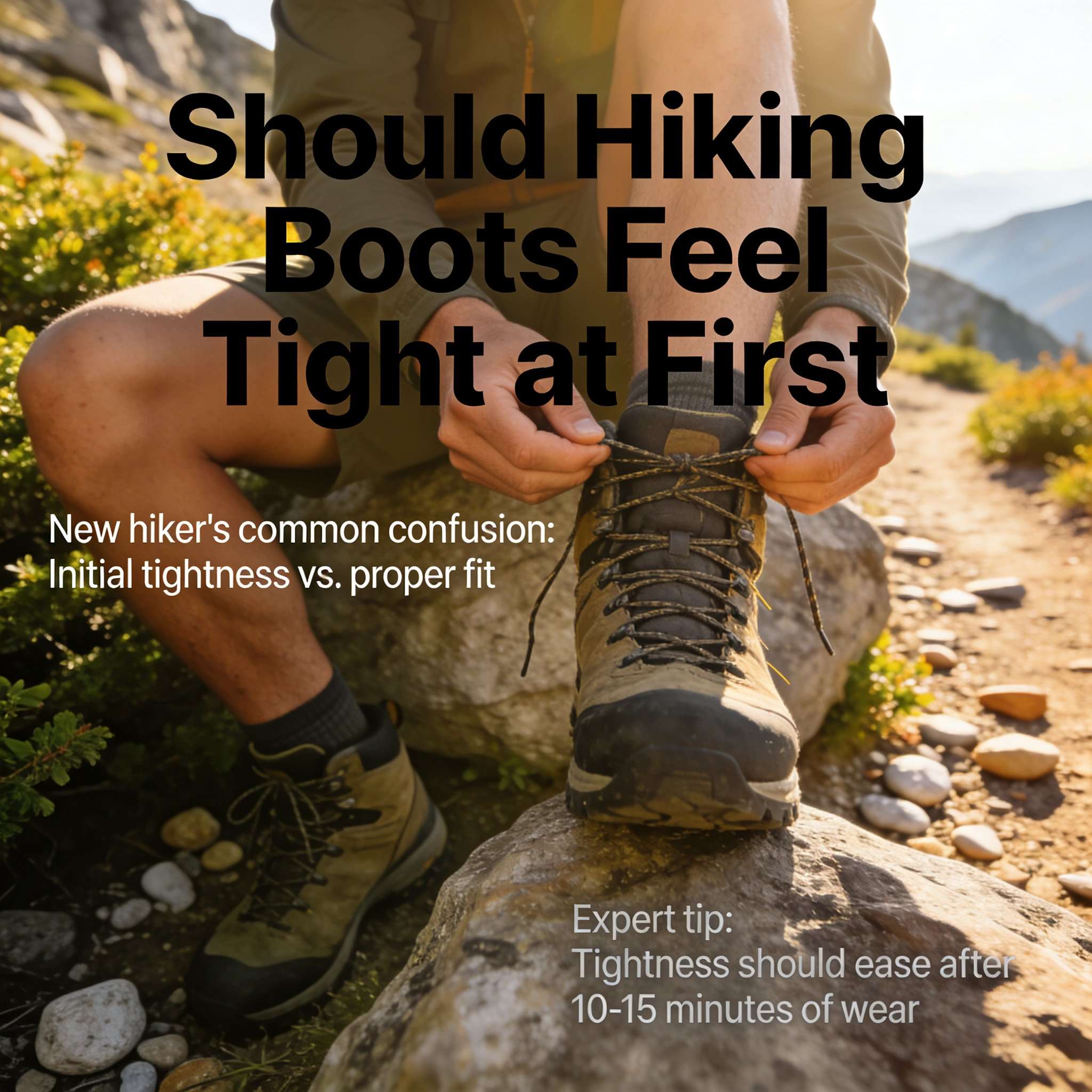
Hiking boots should feel snug at first, but they shouldn’t pinch or cause pain. This initial tightness helps the boots mold to your feet during the break-in period. Expect some initial pressure points, but if discomfort persists, it might indicate sizing issues. A proper fit is crucial for comfort and performance on trails. If you want to know more about achieving the best fit and enhancing your hiking experience, there’s more to explore.
Key Takeaways
- Hiking boots may feel snug at first but should not be overly tight or restrictive in any area.
- Initial pressure points are normal during the break-in period; however, persistent discomfort may indicate sizing issues.
- A proper fit allows for some tightness but must enable toe movement without cramping or pinching.
- Gradually increase wear time to allow boots to mold to your feet, easing tightness over time.
- Consult a professional for fitting advice if boots feel excessively tight or cause discomfort after short use.
Understanding the Importance of Fit in Hiking Boots
When you hit the trails, the right fit in your hiking boots can make all the difference between an enjoyable adventure and a painful experience. Understanding various hiking boot types is essential because each is designed for different terrains and activities. Whether you prefer lightweight boots for day hikes or sturdy ones for backpacking, your foot shape plays a crucial role in finding the perfect match. If you have wide feet, look for boots labeled as “wide fit.” Conversely, narrow-footed hikers should seek out options that provide a snug fit. A proper fit minimizes blisters and discomfort, allowing you to focus on the beauty around you. Prioritizing fit ensures your hiking experience is both safe and enjoyable.
The Break-In Period: What to Expect
Getting the right fit is just the beginning; understanding the break-in period for your hiking boots is equally important. During this time, your boots will mold to your feet, easing any tightness. You might feel some pressure points initially, but that’s normal. To help ease the process, try break-in techniques like wearing your boots around the house or taking short walks. Gradually increase the duration and intensity of your hikes as your boots soften. Pay attention to any persistent pressure points; these could indicate areas that need more attention. With patience and proper techniques, you’ll ensure your boots provide the comfort and support you need for those long hikes ahead. Embrace the break-in period, and your feet will thank you!
Signs of a Proper Fit vs. Signs of a Bad Fit
When you’re trying on hiking boots, pay attention to how they feel on your feet. A proper fit should provide support without pinching or causing discomfort, while signs of a bad fit often include blisters or heel slippage. Recognizing these indicators can make all the difference in your hiking experience.
Fit Indicators to Look For
Finding the right fit for hiking boots is crucial, as it can make the difference between an enjoyable trek and a painful experience. When trying on boots, pay attention to the toe box; your toes should have enough room to wiggle without feeling cramped. A proper fit means no tight spots, especially around the sides and heel, where discomfort can quickly turn into blisters. You should be able to slide your foot in easily, yet feel secure as you walk. If you notice any pressure points or pinching, it’s a sign you need to try a different size or style. Remember, a snug fit is essential, but it shouldn’t be restrictive. Prioritize comfort for those long hikes ahead!
Common Fit Issues
Even with the right indicators for fit, you might still encounter common issues that can affect your hiking experience. A properly fitting boot should feel snug without pinching; if you notice pressure points, it’s a sign you may need a different size or style. If your toes bump against the front, that’s a clear indication of improper sizing. Conversely, if your heel lifts while walking, the boot might be too loose, leading to blisters. Always pay attention to how your foot moves inside the boot. Swelling during hikes can also affect fit, so consider trying boots later in the day when your feet are at their largest. Prioritizing proper fit will enhance your comfort and performance on the trail.
The Role of Boot Materials and Design
When choosing hiking boots, the materials and design play a crucial role in your overall comfort and support. You’ll want to consider factors like flexibility for mobility, ankle support for stability, and breathability to keep your feet dry. Each of these elements contributes significantly to your hiking experience, so it’s important to understand how they affect your fit.
Material Flexibility and Comfort
The right materials in hiking boots can make all the difference in your comfort and performance on the trail. When selecting boots, consider material softness—the softer the material, the more it conforms to your foot shape, enhancing comfort levels. High-quality leather, for instance, offers durability while gradually breaking in for a custom fit. Synthetic materials can provide lightweight options, but ensure they still offer the flexibility you need. Look for boots with breathable liners to keep your feet dry and comfortable over long hikes. Remember, a balance between softness and support is essential; too rigid, and you’ll feel restricted. Prioritize materials that adapt to your movements, allowing you to focus on enjoying the journey ahead.
Design for Ankle Support
Choosing hiking boots that prioritize ankle support is crucial, especially if you’re navigating uneven terrain or tackling steep inclines. The right boot design can make a significant difference in your stability and comfort. Look for boots with a higher cut that wraps around your ankle, providing the support you need during challenging hikes. Materials like leather or synthetic textiles often enhance this support while offering durability. Reinforced heel counters and padded collars also contribute to a snug fit, reducing the risk of rolling your ankle. Remember, a well-designed boot can help you maintain balance and prevent injuries, so invest time in finding the perfect pair that combines both ankle support and comfort for your adventures.
Breathability and Moisture Management
While you’re trekking through varying climates and terrains, breathability and moisture management in hiking boots play a vital role in your overall comfort. Choosing boots made from breathable materials, like mesh or specialized synthetics, helps regulate temperature and allows sweat to escape. This keeps your feet dry and reduces the risk of blisters. Look for boots with moisture-wicking linings that draw perspiration away from your skin, ensuring you stay comfortable even during long hikes. Additionally, features like ventilation ports can enhance airflow, further boosting breathability. By prioritizing these elements in your hiking boots, you’ll enjoy a more pleasant experience on the trail, no matter the conditions you face. Keep your feet happy, and they’ll carry you further.
How to Properly Lace Your Hiking Boots
Lacing your hiking boots properly can make a significant difference in comfort and support during your outdoor adventures. Start by loosening your laces and slipping your foot in, ensuring it’s snug but not overly tight. Use various lacing techniques to secure your foot, focusing on the instep for support. For a heel lock, lace up to the top, then create a loop with the last two eyelets. Thread the lace through the loop and pull tight; this keeps your heel from slipping during hikes. Remember, a proper fit is key to preventing blisters and enhancing stability. Experiment with different lacing techniques until you find what feels best for your feet and the terrain you’ll be tackling.
Tips for Finding the Right Size and Fit
Finding the right size and fit for your hiking boots is crucial for comfort and performance on the trails. Start by measuring your feet, ideally at the end of the day when they’re slightly swollen. Look for boots that provide ample toe space; your toes should wiggle without hitting the front. When trying on boots, wear the socks you’ll hike in and walk around to ensure they feel comfortable. Pay attention to any areas where you might need size adjustments—tight spots can lead to blisters on the trail. Lastly, remember that a snug fit around the heel is essential to prevent slipping. A well-fitted boot will enhance your hiking experience and keep you moving comfortably.
When to Seek Professional Fitting Assistance
When should you consider seeking professional fitting assistance for your hiking boots? If you’re feeling persistent discomfort or pain after wearing them for a short time, it’s a good idea to seek assistance. A proper fit is crucial for both comfort and performance on the trails. Additionally, if you have unique foot shapes, such as high arches or wide feet, a professional can help you find the right model that accommodates your needs. If you’re unsure about sizing or the right type of boot for your hiking style, don’t hesitate to consult an expert. They’ll provide invaluable insights that can enhance your hiking experience and prevent injuries, ensuring your feet stay happy on every adventure.
Frequently Asked Questions
How Long Should I Expect the Break-In Period to Last?
You should expect the break-in period to last one to three weeks, depending on boot materials. Use break-in techniques like short walks to gradually adjust the fit and ensure comfort for longer hikes.
Can I Wear My Hiking Boots Without Breaking Them in First?
Yes, you can wear your hiking boots without breaking them in first, especially if they use flexible boot materials. However, ensure they provide adequate foot support to prevent discomfort during your hikes. It’s also important to choose hiking boots for daily wear that suit your specific foot shape and size, as this can greatly impact comfort. If you’re planning longer hikes, consider gradually increasing the distance to allow your feet to adjust, even if the boots feel comfortable initially. Proper fit and support will enhance your overall hiking experience and reduce the risk of blisters or fatigue.
What if My Toes Hit the Front of the Boot?
If your toes hit the front of the boot, it’s likely a sizing issue. Ensure the toe box provides enough space; you need at least half an inch of room for comfort during hikes.
Are Wider Feet More Prone to Fit Issues With Hiking Boots?
Yes, wider feet often face fit adjustments with hiking boots due to various foot shapes. You might need to try different brands or styles to find the perfect fit for your comfort and support.
Should I Buy Hiking Boots One Size Larger for Thicker Socks?
Yes, you should consider buying hiking boots one size larger if you plan to wear thicker socks. Proper boot sizing ensures comfort and prevents blisters, allowing you to enjoy your hikes without discomfort. Additionally, it’s essential to try on boots in the afternoon when your feet are slightly swollen, as this mimics the conditions you’ll experience on long hikes. To ensure the best fit, make sure to walk around in the boots and check for any pressure points. Remember, if you’ve decided to size up hiking boots properly, it’s important to lace them up correctly to prevent any unwanted movement inside the boot during your trek.
Conclusion
In summary, hiking boots shouldn’t feel painfully tight, but a snug fit is essential for support and stability. Expect a break-in period where the boots will gradually mold to your feet. Always look for signs of a proper fit and adjust lacing techniques to enhance comfort. If you’re unsure about your size, seeking professional fitting assistance can make all the difference. A well-fitting boot can elevate your hiking experience and keep your feet happy on the trail.
