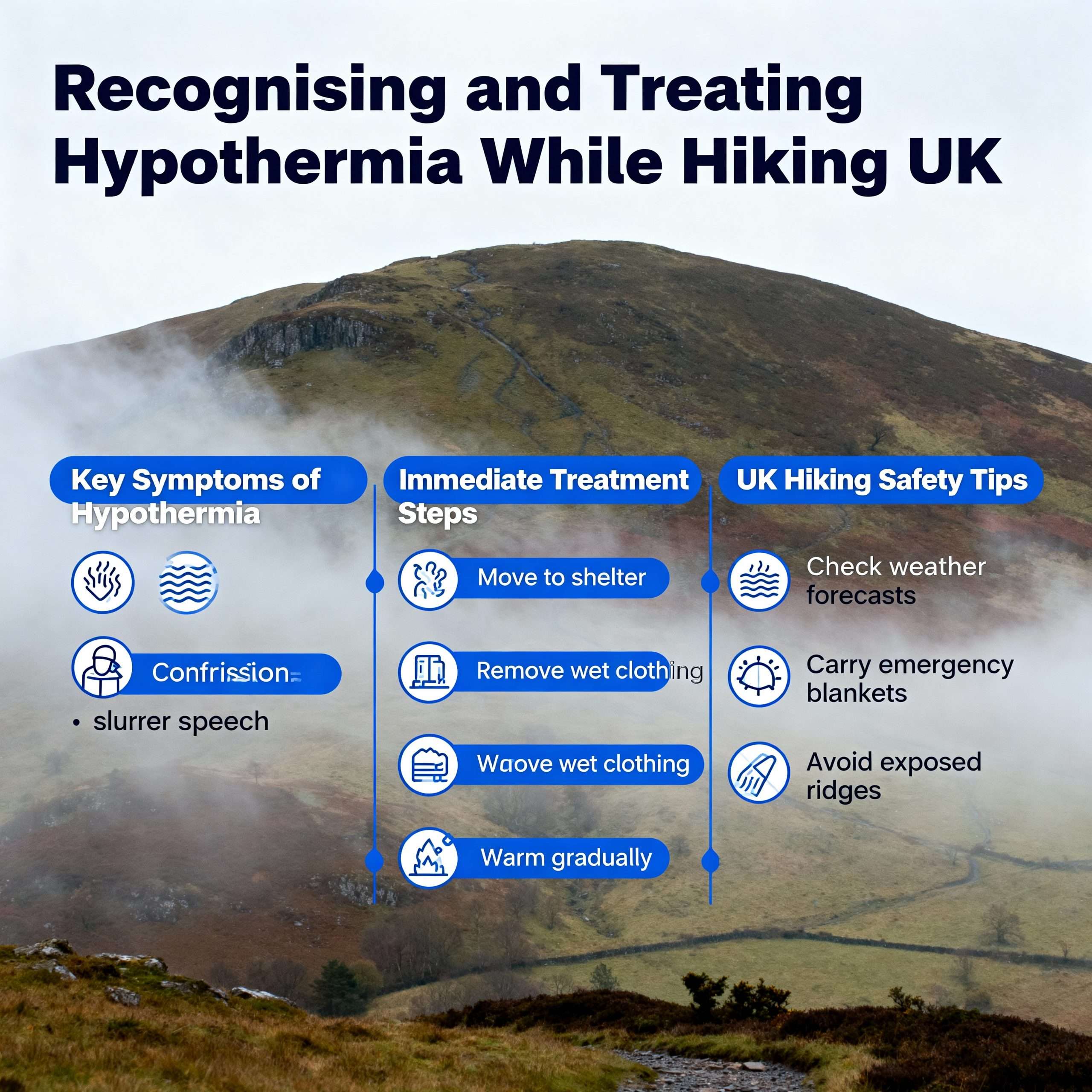
Recognising and Treating Hypothermia While Hiking UK is a fundamental safety skill for anyone exploring the British uplands. Because our climate is often damp and windy, hypothermia is more common than many realise, and it does not require freezing temperatures to occur. It often develops gradually, creeping up on a hiker as fatigue sets in and the weather shifts. The key to managing cold exposure is early recognition; spotting the subtle changes in a companion’s behaviour or your own physical state allows for simple, effective corrections before the situation becomes serious. By maintaining a calm, observant approach, you can ensure that a cold day on the fells remains a safe one. Understanding how to respond to the early stages of cooling is about good hillcraft and sensible decision-making, ensuring that every member of the group stays warm, comfortable, and capable.
Recognising and Treating Hypothermia While Hiking UK
Recognising and Treating Hypothermia While Hiking UK is the process of identifying when a person’s core body temperature is dropping and taking immediate, practical steps to stop further heat loss. According to the NHS, hypothermia occurs when the body gets too cold and cannot produce enough heat to keep up, a condition that requires a calm and steady response in a hiking environment. It’s crucial for hikers to carry hiking first aid essentials, including emergency blankets and thermal layers, to help manage the situation effectively. Additionally, recognizing early signs of hypothermia, such as shivering, confusion, or slurred speech, can be vital in preventing a more severe outcome. Always ensure that you have a buddy system in place, as having someone to monitor your condition can make a significant difference in emergency situations.
What You’ll Learn in This Guide
- What hypothermia is and why it is a specific risk in the UK climate
- The subtle early signs to watch for in yourself and your walking companions
- Practical, non-emergency steps to take when someone becomes too cold
- Common mistakes that can inadvertently make cold exposure worse
Why Hypothermia Happens to UK Hikers
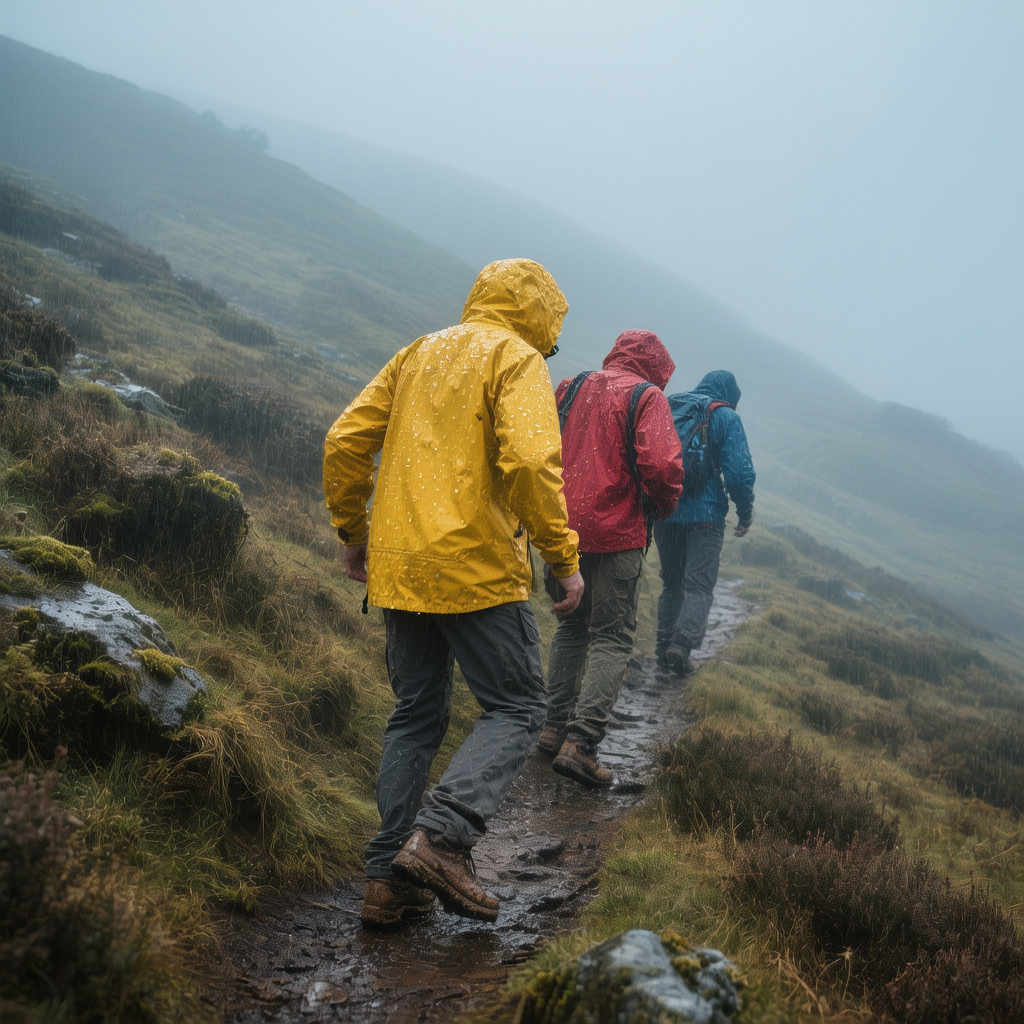
In the UK, hypothermia is rarely caused by extreme cold alone; it is usually the result of “wet-cold” conditions. When a hiker becomes wet from rain or perspiration, and is then exposed to the wind, the body loses heat through evaporation at a much faster rate. This is why cold exposure hiking UK is a risk even in spring or autumn when temperatures might seem mild in the valley. Proper preparation is essential for hikers in these conditions, which includes dressing in moisture-wicking layers and knowing when to turn back. Additionally, understanding ordnance survey maps can significantly enhance navigation, ensuring hikers remain on safe trails and avoid getting lost in unpredictable weather. By staying informed about their route and the changing conditions, outdoor enthusiasts can mitigate the risks associated with hypothermia.
Fatigue also plays a major role. As a hiker tires, their body has less energy to expend on generating heat. If a walker stops moving for a long period without adding layers, or if they have not eaten enough to fuel their internal “furnace,” their core temperature can begin to dip. Poor decision-making, such as pushing through a storm instead of seeking shelter, often compounds these physical factors.
Early Signs of Hypothermia While Hiking
The earliest signs of hypothermia hiking are often behavioural rather than purely physical. A person may become unusually quiet, irritable, or seem to lose interest in the walk. This apathy is a significant red flag. Physically, the most obvious early sign is shivering, which is the body’s natural attempt to generate heat through muscle movement.
As the condition progresses slightly, you may notice a loss of coordination. This is often referred to as “the stumbles, mumbles, and fumbles.” A hiker might trip more frequently on easy ground, struggle to speak clearly, or find it difficult to perform simple tasks like doing up a jacket zip or holding a compass. Recognising these subtle changes early is the most effective way to prevent a minor chill from becoming a safety concern.
What to Do If Someone Shows Signs of Hypothermia
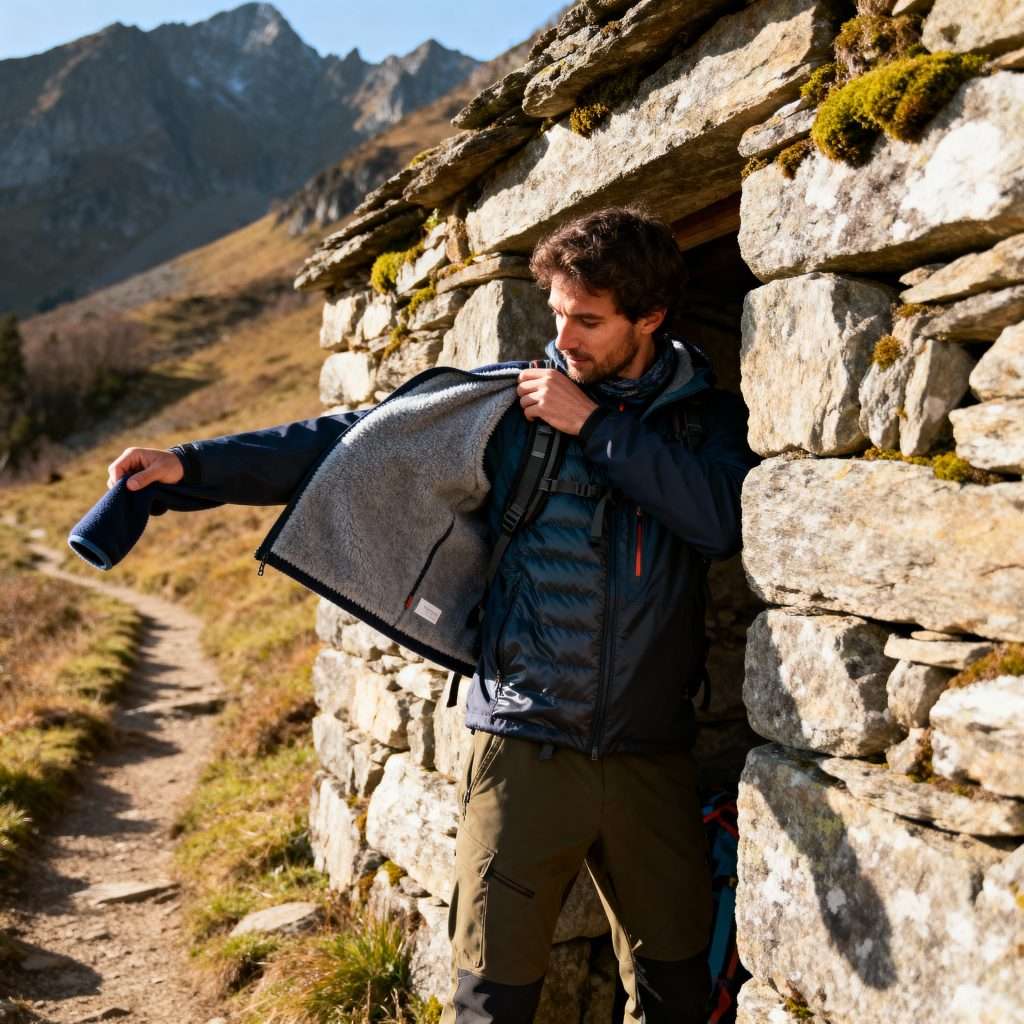
If you suspect someone is becoming too cold, the first step is to stop and find shelter. This might mean getting behind a large rock, a stone wall, or simply moving to the leeward side of a ridge to get out of the wind. Reducing wind exposure is the single most effective way to slow down heat loss in the UK hills.
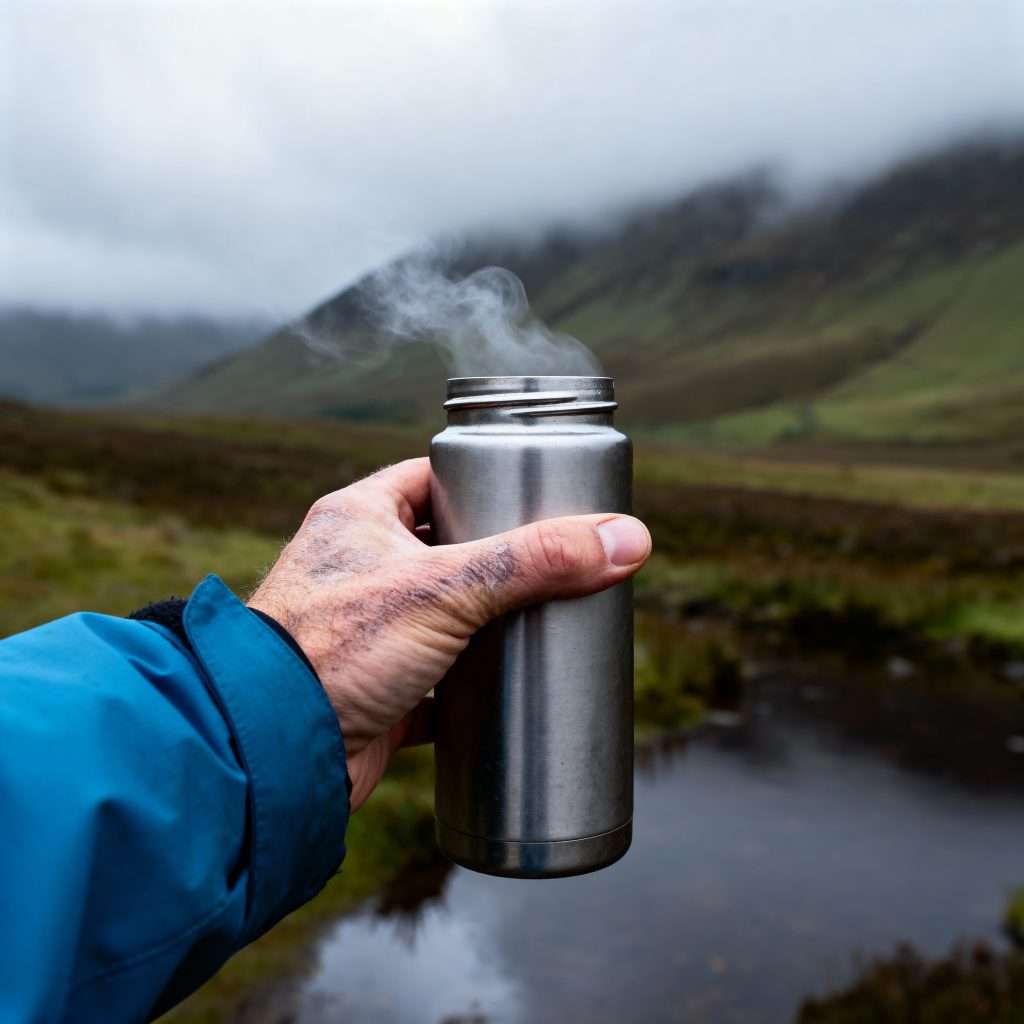
Once sheltered, focus on insulation. Replace wet layers with dry ones if possible, or add a waterproof shell to trap heat and block the wind. Encourage the person to eat high-energy food and drink something warm if available. Conserving energy is vital; at this stage, the goal is to stop the cooling process and allow the body to begin warming itself back up in a controlled, calm manner.
Mild vs Worsening Hypothermia (UK Context)
Mild hypothermia is common and generally manageable on the hill. If a hiker is shivering but still alert and able to move, they can usually recover by adding layers and eating. In these cases, the best course of action is often to shorten the walk and head for lower ground where temperatures are higher and the wind is less intense. Additionally, it’s crucial for hikers to carry appropriate hiking snacks for long trails to maintain energy levels and support body heat. Foods high in carbohydrates and fats are especially effective, as they provide a quick energy boost. Staying hydrated is also important, as dehydration can exacerbate the effects of cold.
If symptoms worsen—such as shivering stopping despite the person still being cold, or increased confusion—it is a sign that the body’s defences are being overwhelmed. In this situation, conservative decisions are paramount. Walking on may no longer be appropriate if the person’s coordination is compromised. The priority shifts entirely to maintaining shelter and keeping the person as warm and dry as possible while reassessing the safest way to exit the hill.
Common Mistakes That Increase Hypothermia Risk
A frequent mistake is ignoring the early signs of shivering. Many hikers believe they will “warm up later” by walking faster, but if they are already wet and exhausted, the increased effort may just lead to further fatigue. It is always better to stop and add a layer the moment you feel a chill rather than waiting until you are shivering uncontrollably.
Another error is underestimating the power of the wind. A forecast might suggest a mild day, but on an exposed plateau, the wind chill can drop the effective temperature by ten degrees or more. Poor pacing also contributes; walking too fast leads to excessive sweating, which leaves you damp and vulnerable when you eventually stop. Maintaining a steady, sustainable pace is a key part of hiking safety cold weather UK.
Frequently Asked Questions
Can hypothermia occur while hiking in mild UK weather?
Yes. Hypothermia is frequently seen in temperatures between 5°C and 10°C, especially when it is wet and windy. The combination of moisture on the skin and wind moving over the body can strip away heat much faster than dry, freezing air, making hypothermia hiking UK a year-round consideration.
How quickly can hypothermia develop while hiking?
It depends on the conditions and the individual. In very wet and windy weather, a person who stops moving and lacks adequate clothing can show signs of cooling within 20 to 30 minutes. Conversely, it can develop slowly over several hours if a hiker is gradually becoming exhausted and damp.
Is hypothermia more common in wet UK conditions?
Absolutely. Water conducts heat away from the body roughly 25 times faster than air. When your base layers become soaked with rain or sweat, they lose their insulating properties. This is why staying dry with high-quality waterproofs is such a critical part of Recognising and Treating Hypothermia While Hiking UK.
What to Learn Next
Understanding Mountain Weather Forecasts UK
What to Do If You Get Lost Hiking UK
Hiking in Fog: UK Safety Tips
Conclusion
Developing a keen awareness for the effects of cold is a sign of a mature and capable hiker. By recognising and treating hypothermia while hiking UK in its earliest stages, you ensure that small problems stay small. Safety in the hills is not about dramatic rescues; it is about the quiet, sensible choices made every hour—adjusting a layer, stopping for a snack, or choosing a more sheltered path. When you walk with an observant eye and a prepared mind, you can enjoy the rugged beauty of the UK landscape in all its varied weather, confident in your ability to keep yourself and your companions warm and safe. An essential part of your preparation includes understanding how to use a compass effectively, as it allows you to navigate the terrain confidently, even in adverse conditions. Familiarity with navigation tools not only boosts your confidence but also enhances your ability to react quickly to changing weather. By incorporating these skills into your hiking routine, you further ensure a safe and enjoyable adventure, no matter where your path may lead.
