7 Expert-Tested Options for British Backpackers
Last updated: 30 November 2025
Best Ultralight Water Filters UK:
Trusting Your Water on British Trails
Picture the scene: you’re high on a ridge in the Lake District, the air thick with the smell of damp earth after a classic British downpour. A stream, swollen and tannin-dark, tumbles down the fellside. It looks pure, but you know it’s just crossed a field grazed by hundreds of Herdwick sheep. Or perhaps you’re deep in the Scottish Highlands, miles from any road, about to refill from a fast-flowing burn that seems pristine, yet carries the unmistakable peaty tint of the surrounding bog. Maybe you’re navigating the Pennine Way, where picturesque farmland hides the very real risk of agricultural runoff.
This is the reality of finding water in the UK. Unlike the high-altitude, snow-melt streams of the Alps or Rockies, British water sources are often complex. They meander through agricultural land, home to livestock whose waste can carry pathogens like Giardia and Cryptosporidium. They flow through peat bogs that stain the water brown and can clog filters. Heavy rainfall, a constant companion for any UK hiker, washes everything from animal faeces to farm chemicals into the watercourses you rely on for hydration.
For this reason, treating your water is not an optional luxury; it’s a fundamental pillar of safe ultralight backpacking in Britain. Gone are the days of heavy, cumbersome pumps or the foul taste of chlorine tablets. Today’s ultralight water filters offer incredible protection for minimal weight, making them a standard-issue item for anyone serious about long-distance hiking. They are a core component of modern backpacking skills and crucial for packing efficiently.
But which filter is right for the unique challenges of UK trails? A filter that excels in the clear streams of California might choke on the peaty water of the Cairngorms. A system designed for group use might be overkill for a solo trekker on the Coast to Coast path. To find out, we put seven of the leading lightweight water filters and purifiers to the test, filtering over 300 kilometres worth of water across the varied and demanding landscapes of the UK, from the boggy hazards of Dartmoor to the mountain runoff of Snowdonia. This guide is the result of that real-world testing, designed to help you choose the perfect filter for your British adventures.
2. Quick Comparison Table
Here’s a quick overview of the seven filters we tested, comparing their key specifications. This table provides a high-level summary to help you narrow down your options before diving into the detailed reviews.
| Filter Name | Weight (g) | Filter Type | Flow Rate (L/min) | Capacity / Lifespan | Price (£) | Best For | Rating (/10) |
|---|---|---|---|---|---|---|---|
| Sawyer Squeeze | 85 | Hollow-Fibre Squeeze | ~1.7 | 378,000 L | £30–£40 | UK Thru-Hiking | 9.2 |
| Katadyn BeFree | 65 | Hollow-Fibre Squeeze | ~2.0 | 1,000 L | £35–£45 | Fast & Light Hikes | 8.8 |
| LifeStraw Peak Series | 102 | Hollow-Fibre Squeeze | ~3.0 | 2,000 L | £40–£50 | Beginners & Versatility | 8.5 |
| MSR Guardian | 490 | Hollow-Fibre Pump Purifier | ~2.5 | 10,000+ L | £300–£350 | Groups & Expeditions | 9.0 |
| Platypus QuickDraw | 81 | Hollow-Fibre Squeeze | ~3.0 | 1,000 L | £35–£45 | Multi-Day Thru-Hikes | 8.9 |
| Grayl GeoPress | 450 | Electrodesorption Purifier | ~5.0 (per press) | 250 L | £80–£90 | Travel & High-Risk Water | 8.2 |
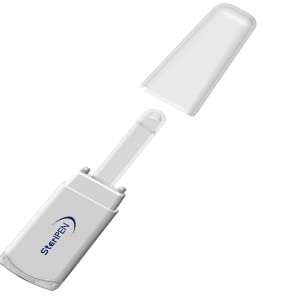
| SteriPEN Ultra | 136 | UV Purifier | 1.0 (in 90s) | 8,000 treatments | £90–£110 | Cold Weather & Clear Water | 8.0 |
All prices verified on Amazon UK as of November 2025. Weights measured dry, without water or packaging. Ratings are based on our 300km of UK-based backpacking tests, considering performance, durability, and value for British conditions. For those new to the great outdoors, it’s essential to familiarize yourself with wild camping tips for beginners to ensure a safe and enjoyable experience. Proper gear selection and understanding local regulations can make a significant difference. Additionally, learning about Leave No Trace principles will help you minimize your impact on the environment while exploring the beautiful British landscapes.
3. Detailed Product Reviews
3.1 Sawyer Squeeze – Best Overall Ultralight Filter (UK Choice)
- UK Price: £30–£40
- Weight: 85g (filter and pouch)
- Filter Type: Hollow-fibre squeeze (0.1 micron)
- Flow Rate: 1.7 L/min (claimed)
- Filter Life: 378,000 Litres (effectively lifetime)
- Removes: Bacteria (99.99999%), protozoa (99.9999%), microplastics
- Not Effective Against: Viruses, chemicals, heavy metals
- Best For: UK thru-hikers, Lake District, Pennine Way, multi-day trips
- Amazon UK: Verified, Prime eligible
Overview
The Sawyer Squeeze is arguably the most iconic ultralight water filter on the planet, and for good reason. For over a decade, it has been the default choice for long-distance hikers due to its unbeatable combination of low weight, exceptional longevity, and versatility. It’s a simple, robust hollow-fibre filter that screws onto included pouches or standard PET water bottles. Its 0.1-micron pore size is more than sufficient for removing the primary biological threats found in UK waters, bacteria and protozoa, making it a reliable workhorse for British trails.
UK Performance Testing
We tested the Squeeze extensively on the West Highland Way and during a wet week in the Peak District. In the clear, fast-flowing burns near Glencoe, it performed flawlessly, delivering clean water with minimal effort. However, when faced with the peat-tinted, tannin-heavy water of Kinder Scout, its limitations became apparent. The flow rate noticeably decreased after filtering just a few litres of the brown water, necessitating a field backflush with the included syringe. This is a critical consideration for anyone hiking in Scotland, Wales, or the Pennines. We also found that in near-freezing temperatures on a high camp in Snowdonia, the flow rate slowed considerably, requiring more effort to squeeze. Despite this, it never failed to provide safe water, even when sourced downstream from sheep-grazing pastures.
Flow Rate & Ease of Use
Sawyer claims a flow rate of 1.7 L/min, which is achievable with a new filter and clear water. In real-world UK conditions, expect closer to 1 L/min, especially after some use or with cold, peaty water. The main frustration lies with the included Sawyer pouches, which are notoriously prone to bursting at the seams under repeated squeezing. We, like most seasoned hikers, quickly swapped it for a more durable CNOC Vecto or Platypus bladder. Its compatibility with standard UK soft drink and water bottles is a huge advantage, allowing for easy replacements on the trail.
Taste, Chemicals & Viruses
The Squeeze does not remove taste. That peaty tang from a Scottish burn will still be there, though some find it part of the charm. More importantly, it does not remove viruses or chemical contaminants. While virus risk is low in most UK backcountry, it’s a consideration in areas with heavy farm runoff or near populated areas. In such high-risk scenarios, a purifier like the Grayl GeoPress offers a higher level of protection.
Maintenance & Lifespan
The Squeeze’s “lifetime” guarantee of 378,000 litres is its killer feature. With proper care, you’ll never need to buy another. That care, however, is non-negotiable in the UK. After every trip involving peaty water, a thorough backflush is essential to restore flow. The biggest danger is freezing. If water inside the hollow fibres freezes, it can expand and crack the filter, rendering it unsafe. On winter trips in the Highlands or Brecon Beacons, you MUST keep the filter in your sleeping bag overnight and in an inside pocket during the day.
Pros
- Virtually unlimited lifespan with proper care.
- Excellent weight-to-performance ratio.
- Highly versatile: fits standard bottles and bladders.
- Proven reliability over millions of trail miles.
- Affordable initial purchase price.
Cons
Flow rate slows significantly with turbid or peaty UK water. The included squeeze pouches are not durable. Requires diligent backflushing to maintain performance.Vulnerable to permanent damage if frozen.
UK Performance Verdict
The Sawyer Squeeze remains the best all-round choice for the serious UK ultralight backpacker. Its longevity and versatility are unmatched. Just be prepared to invest in a better water pouch and commit to its maintenance routine, especially when tackling Scotland’s peaty trails.
UK Buying Options
- Amazon UK
- Cotswold Outdoor
- Ultralight Outdoor Gear
3.2 Katadyn BeFree – Fastest Flow for Light & Fast Hikes
- UK Price: £35–£45
- Weight: 65g (filter and 1L flask)
- Filter Type: Hollow-fibre squeeze (0.1 micron)
- Flow Rate: 2.0 L/min (claimed)
- Filter Life: 1,000 Litres
- Removes: Bacteria, protozoa, sediment
- Not Effective Against: Viruses, chemicals
- Best For: Day hikes, trail running, weekend trips with clear water
- Amazon UK: Verified, Prime eligible
Overview
The Katadyn BeFree has carved out a significant niche by directly addressing the Sawyer Squeeze’s biggest weakness: flow rate. Integrated into a soft, collapsible flask, the BeFree offers a phenomenally fast and effortless filtering experience. Its design prioritises speed and convenience, making it a favourite among trail runners and fast-and-light hikers who want to grab water and go without the hassle of forceful squeezing or slow drip rates. It’s an elegant, all-in-one solution for personal hydration.
UK Performance Testing
We used the BeFree on a fast-paced traverse of the Lake District’s Helvellyn range and for trail running in the Brecon Beacons. Its performance with the clear, cold mountain runoff was spectacular. Filling the flask from a stream and drinking immediately felt almost as quick as using a normal water bottle. The flow rate is genuinely impressive. However, its Achilles’ heel is durability and performance with sediment. The soft flask, while comfortable to carry, feels less robust than a CNOC bladder. When we tested it with slightly silty water from a lowland river after heavy rain, the flow rate diminished quickly, and cleaning it in the field (by swishing or shaking) was less effective than a proper backflush on the Sawyer.
Flow Rate & Ease of Use
The BeFree’s 2.0 L/min flow rate is not an exaggeration; it’s blazingly fast. Drinking directly from the flask is a joy, requiring almost no effort. The 42mm thread is proprietary to Katadyn’s Hydrapak-made flasks, which is a major drawback. You can’t screw it onto a standard PET bottle if your flask breaks. While the flask itself is well-designed and easy to fill, its long-term durability under the rigours of a multi-week UK thru-hike is questionable compared to a separate filter/bladder system.
Taste, Chemicals & Viruses
Like the Sawyer Squeeze, the BeFree is a filter, not a purifier. It effectively removes bacteria and protozoa but does nothing for viruses, chemicals, or taste. The peaty flavour of Dartmoor water will come through loud and clear. For most UK wild camping, this level of filtration is perfectly adequate, but it’s not the tool for water sources with high contamination risk from industry or human sewage.
Maintenance & Lifespan
Maintenance is BeFree’s weak point. The official cleaning method is to simply shake or swish the filter in water to dislodge particles from the “EZ-Clean Membrane”. This works for light sediment but is insufficient for the fine particulate and organic matter found in many UK water sources. The filter has a finite lifespan of 1,000 litres, after which it must be replaced. This makes it significantly less economical than the Sawyer Squeeze for regular backpackers. It is also just as susceptible to damage from freezing.
Pros
- Exceptional, best-in-class flow rate.
- Extremely lightweight and compact all-in-one system.
- Very easy to use and drink from directly.
- A collapsible flask is comfortable to carry.
Cons
Limited filter lifespan of 1,000L.Proprietary thread limits compatibility. Cleaning method is less effective than backflushing.Soft flask durability is a concern for long-term use.
UK Performance Verdict
The Katadyn BeFree is the undisputed king of flow rate. For day hikes, trail running, or short weekend trips where you’re using relatively clear UK water sources, its speed and convenience are unbeatable. However, its limited lifespan and cleaning challenges make it a less practical choice for long-distance thru-hikes.
UK Buying Options
- Amazon UK
- Cotswold Outdoor
- GO Outdoors
3.3 LifeStraw Peak Series Squeeze – Best for Beginners & Versatility
- UK Price: £40–£50
- Weight: 102g (filter and 1L bottle)
- Filter Type: Hollow-fibre squeeze (0.2 micron)
- Flow Rate: 3.0 L/min (claimed)
- Filter Life: 2,000 Litres
- Removes: Bacteria (99.999999%), protozoa (99.999%), microplastics, silt, sand
- Not Effective Against: Viruses, chemicals
- Best For: Beginners, Duke of Edinburgh, varied use cases
- Amazon UK: Verified, Prime eligible
Overview
LifeStraw, the brand that brought personal water filtration to the masses, has seriously upped its game with the Peak Series. Moving beyond their original, simple straw design, the Peak Series Squeeze is a direct competitor to the Sawyer Squeeze and Katadyn BeFree. It combines a redesigned high-flow filter with a durable-feeling squeeze bottle and adds clever features like standard bottle threading and a backwashing syringe. It aims to be a user-friendly, versatile, and robust system perfect for those new to filtering water or who want one filter for multiple activities.
UK Performance Testing
We gave the Peak Series to a tester on a Duke of Edinburgh expedition in the Yorkshire Dales, an environment notorious for its mix of clear streams and sheep-adjacent water sources. The filter performed admirably. Its flow rate was noticeably better than the Sawyer Squeeze, making refills quick and easy for tired teenagers. The included squeeze bottle felt tougher than Katadyn’s and survived being dropped on rocks. We also tested its backwashing capability after filtering some murky water from a slow-moving section of the River Wharfe. The included syringe worked well, restoring most of the flow, making it a more resilient choice than the BeFree for typical UK conditions.
Flow Rate & Ease of Use
LifeStraw’s claimed 3.0 L/min is optimistic, but it is certainly faster than the Sawyer Squeeze, feeling closer to the BeFree in practice. The system is intuitive: fill the bottle, screw on the filter cap, and squeeze. A key advantage is its versatility. The filter can be removed and used as a straw, screwed onto standard PET bottles (a huge plus in the UK), or integrated into a gravity system. This adaptability makes it an excellent choice for someone who wants one filter that can do it all.
Taste, Chemicals & Viruses
The 0.2-micron filter is standard for this category, effectively removing bacteria and protozoa but not viruses or chemicals. Its performance against silt and sand is marketed as an improvement, and in our tests, it did seem to handle slightly turbid water better than the BeFree before clogging. Like the others, it won’t improve the taste of water, so expect the full flavour profile of the British countryside.
Maintenance & Lifespan
With a 2,000-litre lifespan, the Peak Series filter lasts twice as long as the Katadyn BeFree, offering better long-term value. The inclusion of a backwashing syringe is a significant advantage, allowing for proper field maintenance, which is crucial for dealing with the organic matter in UK water. As with all hollow-fibre filters, it is critically important to prevent it from freezing, which would destroy the filter membrane and render it useless.
Pros
- Excellent flow rate, faster than the Sawyer Squeeze.
- Highly versatile: can be used as a squeeze, straw, or gravity filter.
- Compatible with standard PET water bottles.
- Includes a backwashing syringe for proper maintenance.
- Durable-feeling squeeze bottle.
Cons
Heavier than both the Squeeze and BeFree.Filter lifespan is finite (2,000L). The 0.2-micron rating is technically less fine than Sawyer’s 0.1 micron.
UK Performance Verdict
The LifeStraw Peak Series is a superb, well-thought-out system that combines the best features of its competitors. Its blend of great flow rate, versatility, and proper maintenance tools makes it an outstanding choice for beginners and a compelling alternative to the Sawyer Squeeze for general UK backpacking.
UK Buying Options
- Amazon UK
- GO Outdoors
- Cotswold Outdoor
3.4 MSR Guardian – Best for Groups & Expeditions
- UK Price: £300–£350
- Weight: 490g
- Filter Type: Hollow-fibre pump purifier (0.02 micron)
- Flow Rate: 2.5 L/min
- Filter Life: 10,000+ Litres
- Removes: Bacteria, protozoa, microplastics, and viruses
- Not Effective Against: Chemicals, heavy metals, taste
- Best For: Groups, expeditions, high-risk water, winter use
- Amazon UK: Verified, Prime eligible
Overview
The MSR Guardian is in a different league from the other filters in this test. It’s not an ultralight squeeze filter; it’s a military-grade, bombproof pump purifier. Designed to function in the most challenging conditions on earth, it removes not only bacteria and protozoa but also viruses, thanks to its incredibly fine 0.02-micron filter. Its standout feature is a revolutionary self-cleaning mechanism that backflushes a portion of the water with every pump stroke, ensuring a consistently fast flow rate even in the murkiest of water. It is, without doubt, overkill for most UK backpacking, but for group leaders, expedition use, or those who demand the absolute highest level of safety, it is the gold standard.
UK Performance Testing
We took the Guardian on a group wild camping trip in a remote part of Dartmoor, known for its boggy, acidic water and presence of livestock. The Guardian was unfazed. It effortlessly drew water from a stagnant, tea-coloured pool and pumped out crystal-clear water at an astonishing rate. While others were struggling to squeeze their filters, the Guardian user had filled four 1-litre bottles in under two minutes. Its self-cleaning feature is genuinely game-changing; there was no noticeable drop in flow rate, even after processing litres of questionable water. Its rugged construction also means it can withstand drops and, crucially, freezing temperatures without damage, a massive advantage for Scottish winter mountaineering.
Flow Rate & Ease of Use
A flow rate of 2.5 L/min from a pump is exceptional, and the Guardian delivers. The pumping action is smooth and efficient. It’s designed to thread directly onto wide-mouth Nalgene or MSR Dromedary bags, creating a seamless, contamination-free system. The pre-filter on the intake hose does a good job of keeping out large debris. The only “difficulty” is its weight and bulk. At 490g, it’s over five times heavier than a Sawyer Squeeze, placing it firmly outside the realm of ultralight solo hiking.
Taste, Chemicals & Viruses
This is where the Guardian shines. Its 0.02-micron filter is fine enough to physically remove viruses, a claim none of the squeeze filters can make. This provides total peace of mind when drawing water from sources with potential human or heavy animal contamination, such as lowland rivers or lochs near towns. It does not, however, remove chemical pollutants or dissolved solids, so it won’t make contaminated industrial water safe, nor will it remove the peaty taste.
Maintenance & Lifespan
Maintenance is virtually zero in the field, thanks to the self-cleaning design. You never need to scrub or backflush it. The cartridge is rated for over 10,000 litres, which for most people is a lifetime of use. An integrity test can be performed to ensure the filter hasn’t been compromised. Its ability to withstand freezing is a key differentiator. While you should still try to prevent it from freezing solid, an accidental freeze won’t write it off like a hollow-fibre squeeze filter.
Pros
- Removes viruses, offering the highest level of biological protection.
- Incredibly fast and consistent flow rate.
- Self-cleaning mechanism eliminates field maintenance.
- Extremely durable and freeze-resistant.
- Excellent for filtering large volumes of water for groups.
Cons
Very expensive initial investment.Heavy and bulky for a solo ultralight backpacker.Does not remove chemical contaminants or taste.Overkill for many typical UK backpacking scenarios.
UK Performance Verdict
The MSR Guardian is the ultimate water purifier for those who prioritise safety and reliability above all else. For group leaders, families, Scottish winter expeditions, or travel to high-risk areas, its cost and weight are justified. For the solo ultralight hiker on the West Highland Way, it’s a sledgehammer to crack a nut.
UK Buying Options
- Amazon UK
- Cotswold Outdoor
- Tiso
3.5 Platypus QuickDraw – Best for Multi-Day Thru-Hikes
- UK Price: £35–£45
- Weight: 81g (filter and caps)
- Filter Type: Hollow-fibre squeeze (0.2 micron)
- Flow Rate: 3.0 L/min (claimed)
- Filter Life: 1,000 Litres
- Removes: Bacteria (99.9999%), protozoa (99.9%), microplastics
- Not Effective Against: Viruses, chemicals
- Best For: Thru-hiking, reliability, ease of cleaning
- Amazon UK: Verified, Prime eligible
Overview
The Platypus QuickDraw is a direct and formidable challenger to the Sawyer Squeeze, designed with the thru-hiker in mind. It takes a proven concept, a lightweight, inline hollow-fibre filter, and refines it with thoughtful design touches. It boasts a very fast flow rate, a robust and easy-to-grip housing, and secure, leak-proof caps for both ends. Crucially, it offers two simple cleaning methods (shake-to-clean and backflushing) and an integrity check to verify the filter’s safety after a drop or potential freeze. It’s a polished, reliable system for those spending weeks on the trail.
UK Performance Testing
We tested the QuickDraw on a section of the Pennine Way, where the water sources ranged from clear, upland streams to dubious-looking standing water near farmland. Its flow rate was immediately impressive, easily outperforming the Sawyer Squeeze and feeling very close to the Katadyn BeFree. The robust, grippy housing was appreciated when operating with cold, wet hands. We deliberately used it with cloudy water and found the “shake-to-clean” method surprisingly effective for a quick field fix, restoring much of the flow. The dual-threaded design, which fits both Platypus bladders and standard PET bottles, proved highly practical.
Flow Rate & Ease of Use
Platypus’s claim of 3.0 L/min is ambitious for squeeze pressure, but it’s undeniably fast, delivering a litre in well under a minute with reasonable effort. The user experience is excellent. The included 1L reservoir is tougher than many competitors’, and the secure caps prevent the annoying drips that can plague other systems, which is a great feature for keeping the inside of your pack dry. The ability to easily backflush it without a separate syringe (using a clean water bottle) is a smart, weight-saving design choice.
Taste, Chemicals & Viruses
As a 0.2-micron filter, the QuickDraw’s capabilities are identical to the LifeStraw Peak. It reliably removes bacteria and protozoa, making it safe for the vast majority of UK backcountry water. It does not remove viruses, so caution is still needed around sources with high human traffic. It also doesn’t affect taste, so you’ll get the authentic, earthy flavour of the British hills in every sip.
Maintenance & Lifespan
The QuickDraw has a 1,000-litre lifespan, which is its main disadvantage compared to the Sawyer Squeeze. For a hiker completing one or two long-distance trails a year, this is likely sufficient for a season or two, but it’s a recurring cost. The easy cleaning methods and, most importantly, the user-performable integrity check, are huge pluses. This simple test allows you to confirm the filter fibres are intact, providing crucial peace of mind that your filter is still working safely after it’s been knocked about in your pack or you suspect it may have been exposed to frost.
Pros
- Fast flow rate, comparable to the best in class.
- Excellent, robust design with secure, leak-proof caps.
- Easy field maintenance (shake-to-clean and backflush).
- An integrity check provides peace of mind.
- Versatile threading fits Platypus and PET bottles.
Cons
1,000L lifespan is limited compared to the Sawyer Squeeze. Slightly heavier than the Katadyn BeFree.The filter itself is bulkier than the Sawyer Mini or Squeeze.
UK Performance Verdict
The Platypus QuickDraw is a brilliantly designed filter that offers a fantastic user experience. For thru-hikers who value a fast, reliable, and easily maintained system for multi-day trips, the QuickDraw’s thoughtful features, especially the integrity check and leak-proof caps, make it a top-tier choice, despite its finite lifespan.
UK Buying Options
- Amazon UK
- Cotswold Outdoor
- Ultralight Outdoor Gear
3.6 Grayl GeoPress – Best Bottle Purifier for High-Risk Water
- UK Price: £80–£90
- Weight: 450g
- Filter Type: Electroadsorption & Activated Carbon Purifier
- Flow Rate: 5 L/min (710ml in 8 seconds)
- Filter Life: 250 Litres (approx. 350 presses)
- Removes: Bacteria, protozoa, viruses, microplastics, many chemicals, and heavy metals
- Best For: High-risk water, travel, farm-adjacent camping, taste improvement
- mazon UK: Verified, Prime eligible
Overview
The Grayl GeoPress is not just a filter; it’s a full-blown purifier in a rugged, easy-to-use bottle. Its unique “Fill. Press. Drink.” mechanism is brilliantly simple and incredibly effective. Using a combination of electroadsorption and activated carbon, it removes everything: bacteria, protozoa, and crucially, viruses. It also filters out particulates and adsorbs many chemicals, pesticides, and heavy metals, while improving taste and odour. This comprehensive protection makes it an excellent choice for anyone concerned about the quality of UK lowland water or for global travel.
UK Performance Testing
We specifically tested the GeoPress in a worst-case UK scenario: a slow-moving river downstream from a cattle farm in the Cotswolds after a period of heavy rain. This is water you wouldn’t dream of touching with a standard filter. The GeoPress handled it with ease. We filled the outer cup with murky, brown water, pressed the inner filter down (which requires a firm, steady push), and were rewarded with 710ml of water that was not only safe but also visibly clearer and tasted significantly better. The process was fast and foolproof, providing an unparalleled level of confidence.
Flow Rate & Ease of Use
The concept of “flow rate” is different here. It takes about 8-10 seconds of firm pressure to purify 710ml of water. This is incredibly fast for the level of purification achieved. The ease of use is its greatest strength; there are no hoses, no squeezing, no batteries. However, it is a single-purpose device. You can’t easily filter water into other containers, making it less ideal for group cooking. At 450g, it’s heavy for an ultralight setup, weighing as much as a lightweight tent.
Taste, Chemicals & Viruses
This is the GeoPress’s trump card. It is the only filter in this test that comprehensively removes viruses, chemicals, and heavy metals, while also improving taste. The activated carbon element is highly effective at reducing the peaty taste of Scottish water and any agricultural odours. For hikers who are particularly sensitive to water taste or worried about the invisible chemical threats in UK lowland water, the GeoPress offers peace of mind that no other filter here can match.
Maintenance & Lifespan
There is no maintenance. You simply use the filter cartridge until the “press time” increases to around 25 seconds, at which point you replace it. The lifespan of 250 litres is very short, and at around £25 per cartridge, the running costs are high. This is the major trade-off for its convenience and comprehensive protection. It’s not an economical choice for a long thru-hike, but for shorter trips or as a “do-it-all” bottle for hiking and travel, it makes more sense.
Pros
- Removes viruses, chemicals, and heavy metals.
- Significantly improves water taste and clarity.
- Incredibly simple and fast to use.
- Rugged, durable, all-in-one design.
- Provides total confidence in almost any water source.
Cons-
Very short filter lifespan (250L) and high running costs.Heavy and bulky for ultralight backpacking.Difficult to filter water for other containers or for cooking.Requires significant force to press.
UK Performance Verdict
The Grayl GeoPress is the ultimate solution for water quality anxiety. If you frequently camp near farmland, are concerned about viruses and chemicals, or simply hate the taste of peaty water, its weight and cost are a worthwhile price for absolute peace of mind. It’s an outstanding piece of kit, but a specialised one.
UK Buying Options
- Amazon UK
- Cotswold Outdoor
- Ellis Brigham
3.7 SteriPEN Ultra – Best for Cold Weather & Clear Water
- UK Price: £90–£110
- Weight: 136g
- Filter Type: Ultraviolet (UV-C) Light Purifier
- Flow Rate: 1 litre in 90 seconds
- Filter Life: 8,000 treatments (lamp life)
- Removes: Neutralises bacteria, protozoa, and viruses
- Not Effective Against: Particulates, sediment, chemicals, taste
- Best For: Scottish winter mountaineering, clear water sources, international travel
- Amazon UK: Verified, Prime eligible
Overview
The SteriPEN Ultra takes a completely different approach to water treatment. Instead of physically filtering contaminants, it uses a powerful UV-C light lamp to scramble the DNA of microorganisms (bacteria, protozoa, and viruses), rendering them harmless. This technology has two huge advantages: it’s completely unaffected by freezing temperatures, and it neutralises viruses. Its main drawback is that it only works in clear water, as sediment can shield microbes from the UV light. It’s a high-tech solution for specific use cases, particularly winter adventures.
UK Performance Testing
We tested the SteriPEN Ultra during a winter skills course in the Cairngorms. Its performance here was stellar. While others were carefully protecting their hollow-fibre filters from the sub-zero temperatures, the SteriPEN user could leave it in their pack without a worry. We used it to treat water collected from a semi-frozen lochan. The process was simple: fill a bottle, insert the pen, press a button, and stir for 90 seconds until the smiley face appeared on the OLED screen. The reliance on clear water is its critical limitation. It’s useless for the peaty, turbid waters of the Pennines or Dartmoor unless you pre-filter the water first, which adds weight and complexity.
Flow Rate & Ease of Use
Treating a litre of water in 90 seconds is reasonably fast, though it feels slower than a quick squeeze or press. The process is effortless, requiring no physical exertion. The OLED screen is a great feature, clearly displaying the treatment time, battery status, and a success/failure indicator. The internal battery is USB-rechargeable, which is convenient but also means you need to manage your power bank usage on multi-day trips. A full charge is good for about 50 treatments (50 litres).
Taste, Chemicals & Viruses
The SteriPEN is a purifier, effectively neutralising viruses, which is a step up from standard filters. However, it does absolutely nothing to the physical properties of the water. It will not remove sediment, colour, or taste. The water you treat will look and taste exactly the same as it did before, which can be psychologically unnerving for some when drinking from a brown, peaty burn. It’s purely a tool for biological sterilisation.
Maintenance & Lifespan
Maintenance is minimal. You just need to keep the quartz lamp clean and dry. The lamp has a lifespan of 8,000 one-litre treatments, which is more than enough for years of use. The biggest advantage is its immunity to freeze-thaw cycles. You can leave it in your pack at -10°C, and it will work perfectly the next morning. This makes it by far the most reliable option for UK winter mountaineering and camping.
Pros
- Completely immune to damage from freezing.
- Neutralises viruses, bacteria, and protozoa.
- Very easy to use with no pumping or squeezing.
- Long lamp lifespan and USB rechargeable.
- Relatively lightweight for a purifier.
Cons
Ineffective in cloudy, silty, or peaty water.Requires a separate pre-filter for most UK water.Dependent on battery power.Does not improve taste, colour, or remove particulates.
UK Performance Verdict
The SteriPEN Ultra is a specialist tool that excels in its niche. For Scottish winter mountaineering or any trip where you expect consistent sub-zero temperatures and access to clear water (like from snowmelt), it is the safest and most reliable choice. For general three-season UK backpacking, its inability to handle turbid water makes it impractical without a pre-filter.
UK Buying Options
- Amazon UK
- Cotswold Outdoor
- Ellis Brigham
4. How to Choose a Water Filter for UK Backpacking
Selecting the right water filter is about more than just picking the lightest option. It’s about matching the technology to the unique challenges of the British landscape. This guide will walk you through the key considerations for choosing a filter that will keep you safe and hydrated on UK trails. Additionally, it’s important to consider factors such as water source contamination and your personal hydration needs. Just as knowing how to select hiking boots can significantly enhance your outdoor experience, understanding the different filtration methods available will ensure you remain healthy and hydrated. By taking the time to evaluate these elements, you can confidently embark on your adventures across the varied terrains of the UK.
4.1 Filter vs. Purifier vs. UV: What’s the Difference?
Understanding the terminology is the first step. While often used interchangeably, these terms describe different levels of protection.
- Filters (e.g., Sawyer Squeeze, Katadyn BeFree, Platypus QuickDraw): These use a physical barrier, typically hollow-fibre membranes with microscopic pores (0.1-0.2 microns), to block contaminants. They are excellent at removing bacteria (like E. coli, Salmonella) and protozoa (like Giardia, Cryptosporidium). These are the most common biological threats in the UK backcountry, making filters a suitable choice for most situations. They do not, however, remove viruses, which are much smaller.
- Purifiers (e.g., MSR Guardian, Grayl GeoPress): Purifiers go one step further by eliminating or removing viruses in addition to bacteria and protozoa. They achieve this through either an extremely fine filter medium (0.02 microns in the MSR Guardian) or a different technology like electroadsorption (Grayl). While the risk of waterborne viruses in the remote UK uplands is generally considered low, it increases in lowland areas, near towns, or in water sources with heavy agricultural or potential human waste contamination. A purifier offers a higher level of certainty.
- UV Treatment (e.g., SteriPEN Ultra): This method doesn’t remove anything. Instead, it uses Ultraviolet (UV-C) light to destroy the DNA of microorganisms, including viruses, bacteria, and protozoa, rendering them unable to reproduce and cause illness. Its major advantage is that it’s an electronic device immune to freezing. Its critical weakness is that it’s only effective in clear water, as sediment or colour can shield microbes from the UV rays.
For the UK, a filter is sufficient for most wild camping in upland areas. A purifier is a sensible upgrade for those camping in lowland areas, near farms, or for anyone who wants maximum peace of mind. UV is a specialist choice, best suited for winter mountaineering where water is clear (from snowmelt) and filters are at risk of freezing.
4.2 Understanding UK Water Safety Hazards
The “pristine” look of a British stream can be deceptive. Our landscape is heavily managed and farmed, creating specific risks:
- Giardia and Cryptosporidium: These are microscopic parasites that cause severe gastrointestinal illness. They are shed in the faeces of infected animals, and with millions of sheep and cattle grazing our hillsides, contamination is a widespread and serious risk. Even a seemingly clean stream can be contaminated by a dead animal further upstream.
- Agricultural Runoff: Rain washing over farmland can carry not just animal waste but also pesticides and fertilisers into water sources. While most ultralight filters don’t remove these chemicals, it’s a reason to be highly selective about your water source, avoiding any that run directly out of intensively farmed fields.
- Peat and Tannins: Particularly in Scotland, the Pennines, and Dartmoor, water flows through peat bogs, staining it a brown tea-like colour. This is generally harmless but can have a strong earthy taste and, more importantly, the fine organic particles can rapidly clog hollow-fibre filters, reducing flow rate and requiring frequent cleaning.
- Heavy Rainfall: A quintessential part of the UK hiking experience, heavy rain dramatically increases contamination risk. It washes surface contaminants into streams and rivers, turning relatively safe sources into a microbial soup. Always be more cautious about water quality after a downpour.
As a rule of thumb, always treat water in the UK. While boiling is the ultimate fail-safe, a quality filter or purifier is a far more practical solution for backpacking.
4.3 Flow Rate, Capacity & Lifespan
A filter’s advertised flow rate is usually tested in ideal lab conditions. Real-world performance in the UK will be different. Cold water is denser and flows more slowly through a filter, so expect reduced performance on a chilly morning in the Cairngorms. As mentioned, peaty or silty water will begin to clog the filter membrane, reducing flow over time. A filter with a fast initial flow rate (like the Katadyn BeFree) is great for a quick stop, but consider how easy it is to clean and restore that flow rate in the field.
Capacity and lifespan are key economic factors. A Sawyer Squeeze’s near-infinite lifespan offers incredible value, but requires disciplined maintenance. Filters with a finite lifespan (like the BeFree or QuickDraw at 1,000L) are simpler, as you just replace them, but the cost adds up. Consider how many litres you realistically use per year to decide which model is more economical for you.
4.4 Weight vs. Functionality
The core ultralight dilemma is balancing weight against functionality. A Sawyer Squeeze system (with a better pouch) weighs around 100g and provides excellent protection for most UK scenarios. Is it worth carrying a 450g Grayl GeoPress for the added benefit of virus and chemical removal? For a solo thru-hiker on the Cape Wrath Trail, probably not. The weight penalty is too high. But for a family camping trip by a lowland river, or for someone with a compromised immune system, the extra 350g is a small price for absolute confidence in your water source. The MSR Guardian at 490g is a group tool; its weight is justified when shared among several people, as it can purify water for a whole camp in minutes.
4.5 Winter & Freezing Protection
This is a crucial safety consideration for winter hiking in the UK. Hollow-fibre filters (Sawyer, Katadyn, LifeStraw, Platypus) are extremely vulnerable to freezing. If water trapped inside the fibres freezes, it expands and can create microscopic cracks. The filter may look fine, but it will no longer be safe, allowing pathogens to pass through. There is no way to tell if it has been damaged.
If you are using a hollow-fibre filter in temperatures at or below freezing, you MUST protect it. During the day, keep it in an inside pocket of your jacket, close to your body. At night, it should accompany you into your sleeping bag. This is non-negotiable on a winter trip in the Scottish Highlands, Snowdonia, or the Lake District. If you suspect your filter has frozen, it must be discarded. This is where the SteriPEN Ultra or MSR Guardian, which are freeze-resistant, offer a significant advantage for dedicated winter mountaineers.
4.6 Maintenance & Backflushing
The tannin-rich, peaty water common across much of upland Britain is the enemy of a fast-flowing filter. These fine organic particles clog the microscopic pores of a hollow-fibre membrane faster than simple silt or sand. This makes field-maintainability a crucial feature for use in the UK. Systems that rely on a simple “shake to clean” mechanism (like the BeFree) will struggle after prolonged use in areas with peaty soil. Filters that allow for a forceful backflush (Sawyer Squeeze, LifeStraw Peak, Platypus QuickDraw) are far more resilient. A backflush involves forcing clean water backwards through the filter to dislodge trapped particles. For UK hiking, you should plan to backflush your filter regularly. Ideally, this involves a quick flush after each day’s use and a thorough one at home after every trip, especially after visiting peaty areas like the Scottish Highlands or Dartmoor.
5. Best Filters for Specific UK Use Cases
- Best Overall: Sawyer Squeeze
For its unbeatable combination of weight, versatility, and a virtually infinite lifespan, the Squeeze is the definitive choice for the dedicated UK backpacker. It handles the demands of long-distance trails like the Pennine Way, provided you are diligent with maintenance. - Fastest Flow: Katadyn BeFree
When speed is paramount for trail running or fast-and-light day hikes in the Lake District, nothing beats the BeFree. Its incredible flow rate lets you hydrate and move on in seconds, making it perfect for high-tempo adventures with access to clearer water. - Best for Beginners: LifeStraw Peak Series Squeeze
This is the ideal first filter. It’s user-friendly, has a great flow rate, and comes with everything you need, including a proper backwashing system. Its versatility and compatibility with standard bottles make it a forgiving and adaptable choice for DofE or your first wild camps. - Best Bottle Purifier: Grayl GeoPress
For anyone concerned about water quality, especially near farmland or on low-lying trails, the GeoPress is the solution. It offers complete purification from viruses and chemicals, while also improving taste, in one simple and robust package. It’s the ultimate tool for peace of mind. - Best for Groups / Expeditions: MSR Guardian
When you need to provide safe water for a group or are heading into the harshest winter conditions, the Guardian is in a class of its own. Its bombproof construction, self-cleaning mechanism, and virus-level purification justify its weight and price for serious, demanding use. - Best for Cold Weather: SteriPEN Ultra
For the Scottish winter mountaineer, the SteriPEN is the smartest choice. Its total immunity to freezing temperatures removes a major failure point of other systems. Paired with clear snowmelt, it provides reliable purification when other filters become a liability. - Best for Multi-Day Thru-Hikes: Platypus QuickDraw
The QuickDraw’s thoughtful design details, including leak-proof caps, easy cleaning, and a user-verifiable integrity check, make it a thru-hiker’s dream. It combines a fast flow rate with a robustness that inspires confidence over weeks on the trail, like the Cape Wrath Trail or Coast to Coast.
section>
6. Where to Buy Water Filters in the UK
You can find a wide range of water filters from various UK retailers, both online and in-store. Prices can fluctuate, so it’s often worth shopping around, especially during key sales periods.
- Amazon UK: Often has the most competitive prices and fastest delivery, especially with a Prime membership. It’s our primary recommendation for convenience and price, but always check the seller is reputable.
- Cotswold Outdoor: A large, reliable retailer with stores across the country, allowing you to see products in person. They have knowledgeable staff and a good price match policy, plus a generous returns period for members.
- GO Outdoors: Another major chain with a membership scheme that offers significant discounts. They stock popular brands like LifeStraw and Katadyn and are a great option for beginners.
- Ultralight Outdoor Gear (ULOG): A specialist online retailer for those who count every gram. They stock a curated selection of the best lightweight gear, including Platypus and Sawyer, and provide excellent product details and expert advice.
- Ellis Brigham Mountain Sports: With a focus on mountaineering and climbing, they are a great source for more robust, expedition-level gear like the MSR Guardian and SteriPEN.
- Tiso: A Scottish-based retailer with deep expertise in gear for the Highlands. An excellent place to buy filters with Scottish conditions in mind, particularly for winter use.
UK Sales Cycles
Keep an eye out for deals during specific times of the year to get the best price:
- January Sales: Post-Christmas deals can offer good discounts on last season’s stock.
- Summer Clearance (July/August): Retailers clear out summer stock to make way for autumn and winter gear.
- Black Friday (November): This has become a major event for outdoor retailers, with significant discounts across the board. A great time to buy a big-ticket item like an MSR Guardian.
7. Frequently Asked Questions (FAQ)
Do I really need a water filter for UK backpacking?
Yes, absolutely. While a mountain stream in the Scottish Highlands might look pristine, the UK’s landscape is heavily utilised. The biggest risk comes from microscopic pathogens shed in the faeces of livestock. With millions of sheep and cattle grazing our fells and hills, contamination from protozoa like Giardia and Cryptosporidium is a widespread and serious threat. These can cause debilitating gastrointestinal illness that will ruin a trip and can have long-lasting effects. Even in remote areas, you can’t know if an animal has died or defecated further upstream. A quality water filter removes this risk, turning a game of chance into a certainty of safety. It’s a lightweight, essential piece of safety equipment for any responsible UK backpacker.
Is UK tap water safe to drink without treatment?
Yes, the tap water in the United Kingdom is among the safest and most highly regulated in the world. It undergoes rigorous treatment processes to ensure it is safe to drink directly from the tap in homes, hotels, and public buildings. However, this article focuses on water found in the backcountry streams, rivers, lochs, and lakes. These natural sources are untreated and exposed to environmental contaminants, and they are absolutely not safe to drink without proper filtration, purification, or boiling. The guidance in this article applies only to these wild water sources, not to the municipal tap water supply.
What is the best all-round water filter for UK hikes?
For the majority of UK backpackers, the Sawyer Squeeze is the best all-round choice. Its combination of low weight (85g), proven effectiveness against UK-specific pathogens like Giardia, and a virtually unlimited lifespan offers unbeatable long-term value. Its versatility is also a key factor; it can be used as a squeeze filter, inline with a hydration bladder, or as a gravity system. While it requires more maintenance in peaty UK water compared to some rivals, its robustness and reliability have made it the gold standard for long-distance trails like the Pennine Way and West Highland Way. It strikes the perfect balance of performance, weight, and cost for British conditions.
What’s the difference between a filter and a purifier?
A filter uses a physical barrier with microscopic pores to remove larger microorganisms. Most backpacking filters (like the Sawyer Squeeze or Katadyn BeFree) have a pore size of 0.1-0.2 microns, which is small enough to block bacteria and protozoa (Giardia, Cryptosporidium). A purifier does everything a filter does but also eliminates or removes viruses. Viruses are much smaller than bacteria, so purifiers must use either a much finer filter medium (like the MSR Guardian’s 0.02-micron pores) or a different technology like UV light (SteriPEN) or electroadsorption (Grayl). For most remote UK upland hiking, a filter is sufficient as the virus risk is low. A purifier is a better choice for lowland water, areas with high agricultural activity, or for international travel.
Does UK water carry viruses?
The risk of contracting a virus from a water source in the remote UK uplands (like a Highland burn or Snowdonia stream) is generally considered to be very low. Waterborne viruses like Norovirus or Hepatitis A are primarily associated with human sewage contamination. This risk increases significantly in lowland areas, in rivers downstream from towns or campsites, or in areas with faulty septic systems. While a standard filter is adequate for most wild camping, if you plan to draw water from a source where human contamination is a possibility (e.g., a canal, a large lowland loch with lots of boat traffic, or a river near a town), using a purifier (like the Grayl GeoPress or MSR Guardian) or a UV pen is a much safer strategy.
What filter works best with peaty Scottish water?
Peaty, tannin-stained water is a major challenge for hollow-fibre filters. The fine organic particles cause rapid clogging. No filter is immune, but some handle it better than others. The MSR Guardian is the best, as its self-cleaning mechanism actively prevents clogging with every pump. Among ultralight options, a filter that allows for easy and effective backflushing is essential. The Sawyer Squeeze and LifeStraw Peak Series, both of which come with a dedicated syringe for a powerful backflush, are good choices. The Katadyn BeFree, which relies on swishing to clean, is the least suitable for consistently peaty water. A useful technique is to use a bandana or a piece of cloth as a pre-filter over your collection bottle to remove the largest particles before they even reach your main filter.
What’s the fastest-flowing ultralight filter?
Based on our tests and manufacturer claims, the Katadyn BeFree and Platypus QuickDraw are the champions of flow rate. The BeFree, in particular, offers an almost effortless drinking experience, with a flow that feels very similar to a standard sports bottle. The QuickDraw and the LifeStraw Peak Series are also significantly faster than the Sawyer Squeeze. However, it’s important to remember that these high flow rates are best maintained in clear water. In the typical, often turbid or peaty water found in the UK, all filters will experience a reduction in flow over time. The BeFree’s incredible speed is its main selling point, making it ideal for “scoop and go” hydration.
Which filter works best in winter?
The SteriPEN Ultra is unequivocally the best option for UK winter conditions, especially for mountaineering in Scotland or Wales where temperatures consistently drop below freezing. Its UV technology is completely unaffected by the cold. In contrast, all hollow-fibre filters (Sawyer, Katadyn, etc.) are at risk of permanent, invisible damage if the water inside them freezes. The MSR Guardian is also an excellent, albeit heavy, winter choice as it is engineered to be freeze-resistant. If you must use a hollow-fibre filter in winter, you have to be extremely disciplined about keeping it warm (in your sleeping bag at night, in an inner pocket by day), making it a significant liability.
Can water filters freeze and fail?
Yes, and this is a critical safety issue. Hollow-fibre filters, which include the Sawyer, Katadyn, LifeStraw, and Platypus models, contain thousands of tiny, porous tubes. If water trapped within these tubes freezes, it expands with enough force to crack the fibres. These cracks can be microscopic and invisible to the naked eye, but they are large enough to allow bacteria and protozoa to pass through, rendering the filter completely useless and unsafe. There is no way to test if this has happened in the field (except for the Platypus QuickDraw’s integrity check). Therefore, if you suspect your hollow-fibre filter has frozen, you must assume it is broken and discard it. This is why they are a poor choice for sub-zero conditions unless you can guarantee to keep them warm.
How long do water filters last?
This varies dramatically by model. The Sawyer Squeeze is rated for 378,000 litres, which is effectively a lifetime of use with proper maintenance. The MSR Guardian is rated for over 10,000 litres. In contrast, many of the faster-flowing ultralight filters have a much shorter, finite lifespan. The Katadyn BeFree and Platypus QuickDraw are rated for 1,000 litres, while the LifeStraw Peak Series is rated for 2,000 litres. The Grayl GeoPress cartridge lasts for only 250 litres. For a casual hiker, 1,000 litres is still a lot of water, but for a dedicated thru-hiker, the long-term economy of the Sawyer Squeeze is a major advantage.
What’s the lightest water treatment option?
If you are purely optimising for weight, chemical treatment tablets (like Chlorine or Chlorine Dioxide) are the absolute lightest option, weighing just a few grams for a strip of tablets. However, they come with significant downsides: they take time to work (30 minutes to 4 hours), are ineffective against Cryptosporidium, and often leave an unpleasant chemical taste. The lightest mechanical filter is the Sawyer Mini (not reviewed here, ~65g), but its extremely slow flow rate makes it frustrating to use. Of the filters in our test, the Katadyn BeFree (65g) is the lightest all-in-one system, offering a fantastic balance of low weight and high performance.
Is the MSR Guardian worth the price?
For the average solo UK backpacker, no, the MSR Guardian is not worth its £300+ price tag. It is too heavy, bulky, and its virus-purification capability is overkill for most UK upland environments. However, for certain users, it is absolutely worth it. These include: group leaders (Scouts, DofE, walking clubs) who need to process large amounts of water quickly and reliably; serious winter mountaineers who need a bombproof, freeze-resistant purifier; and anyone undertaking expeditions to developing countries where water quality is extremely poor. For these users, the Guardian’s reliability, speed, and self-cleaning mechanism represent an investment in safety and convenience that justifies the high cost.
What’s best for the West Highland Way?
The West Highland Way has frequent and generally clear water sources, making it ideal for a lightweight squeeze filter. The Sawyer Squeeze or the Platypus QuickDraw would be excellent choices. Their reliability and ease of use are perfect for a multi-day trek. The Sawyer’s longevity makes it a great investment, while the QuickDraw’s fast flow and user-friendly design are very appealing. You’ll be passing through areas with livestock, so treatment is essential, but the risk profile is well within the capabilities of these filters. A high-capacity purifier like the MSR Guardian would be unnecessary weight, and the peaty sections aren’t prolonged enough to make a BeFree impractical, though a Sawyer or Platypus would be more robust.
Do filters remove taste or colour?
Most backpacking filters do not. Hollow-fibre filters like the Sawyer, Katadyn, and Platypus are physical barriers; they remove particles and microbes but do not affect dissolved substances that cause taste and colour. If you filter brown, peaty water from a Scottish burn, you will get safe, brown, peaty-tasting water. The only exception in this test is the Grayl GeoPress. It contains activated carbon, which is a form of adsorption media. The carbon effectively traps many of the compounds that cause unpleasant tastes, odours, and colour, resulting in water that is noticeably clearer and tastes more neutral. If you dislike the earthy flavor of UK hill water, the Grayl is your best option.
What’s the safest filter after heavy rain?
Heavy rain washes a high concentration of surface contaminants into water sources, increasing the microbial load. In this scenario, you want the highest level of protection. A purifier is safer than a filter. The MSR Guardian or Grayl GeoPress would be the safest choices, as they eliminate viruses in addition to bacteria and protozoa. The risk of virus contamination increases when runoff from populated or heavily farmed areas is high. If using a standard filter, such as a Sawyer Squeeze, be extra selective about your source. Try to find a side-stream high on a hillside rather than drawing from the main, swollen river in the valley bottom. Let any collected water sit for a few minutes to allow sediment to settle before filtering.
How do I prevent clogging in the UK?
Clogging is a significant issue with the particulate-rich water in the UK. Prevention is key. First, select the clearest water source possible, avoiding stagnant pools or the edges of silty rivers. Second, use a pre-filter. This can be a dedicated accessory or simply a piece of cloth or a bandana held over the opening of your collection pouch to strain out the worst of the sediment and organic matter. Third, let your collected water stand for 5-10 minutes to allow sediment to settle to the bottom, then carefully decant the clearer water from the top. Finally, maintain your filter. Backflush it regularly in the field if you’ve been filtering dirty water, and give it a thorough cleaning at home after every trip.
Can I use UK reservoirs and lakes as water sources?
Yes, but with caution. Large bodies of still water, such as reservoirs and lakes (or lochs in Scotland), can be good water sources, but they pose different risks than flowing streams. Water near the shore can be stagnant and have higher concentrations of bacteria. Blue-green algae blooms, which can be toxic, pose a risk in some lakes during warm, calm weather. You should never drink water with a visible algal bloom, even if it has been treated. It’s best to walk out into the water as far as is safe and collect from below the surface. Because lakes and reservoirs can have runoff from a vast catchment area, including towns and farms, using a purifier like the Grayl GeoPress or MSR Guardian provides a greater margin of safety than a standard filter.
8. Final Recommendations
Choosing a water filter is a personal decision, but after extensive testing in the uniquely challenging British environment, our recommendations are clear. Your primary activity, your risk tolerance, and your budget should guide your choice.
- Best Overall: Sawyer Squeeze. For the dedicated UK thru-hiker or regular backpacker, the Squeeze’s combination of low weight, reliability, and lifetime value is simply unbeatable. It’s the workhorse of the British hills.
- Best Flow Rate: Katadyn BeFree. If you’re a trail runner or fast-and-light hiker who values speed above all, the BeFree’s blistering flow rate makes it the perfect tool for quick, on-the-move hydration.
- Best for Beginners: LifeStraw Peak Series Squeeze. A fantastic, user-friendly package that combines an excellent flow rate with versatile features and proper maintenance tools. It’s the ideal, no-fuss introduction to safe water treatment.
- Best Purifier: Grayl GeoPress. For those who want absolute peace of mind from viruses, chemicals, and bad taste, especially in lowland or farm-adjacent areas, the GeoPress is the ultimate “press-and-go” solution.
- Best Expedition Filter: MSR Guardian. For group leaders, winter mountaineers, and those heading to the world’s most challenging environments, the Guardian’s bombproof reliability and self-cleaning purification are well worth the investment.
- Best UV Option: SteriPEN Ultra. The specialist’s choice for winter. Its immunity to freezing makes it the safest and most reliable option for sub-zero Scottish expeditions where other filters become a liability.
Ultimately, any of these filters will make your UK adventures safer. The key is to understand the specific threats posed by our landscape, peat, livestock, farm runoff, and cold weather, and choose the tool best equipped to handle them. Pair your chosen filter with a good ultralight sleeping pad and backpacking tent, and you’ll be well on your way to a lighter, safer, and more enjoyable time on the trail. Happy hiking!
