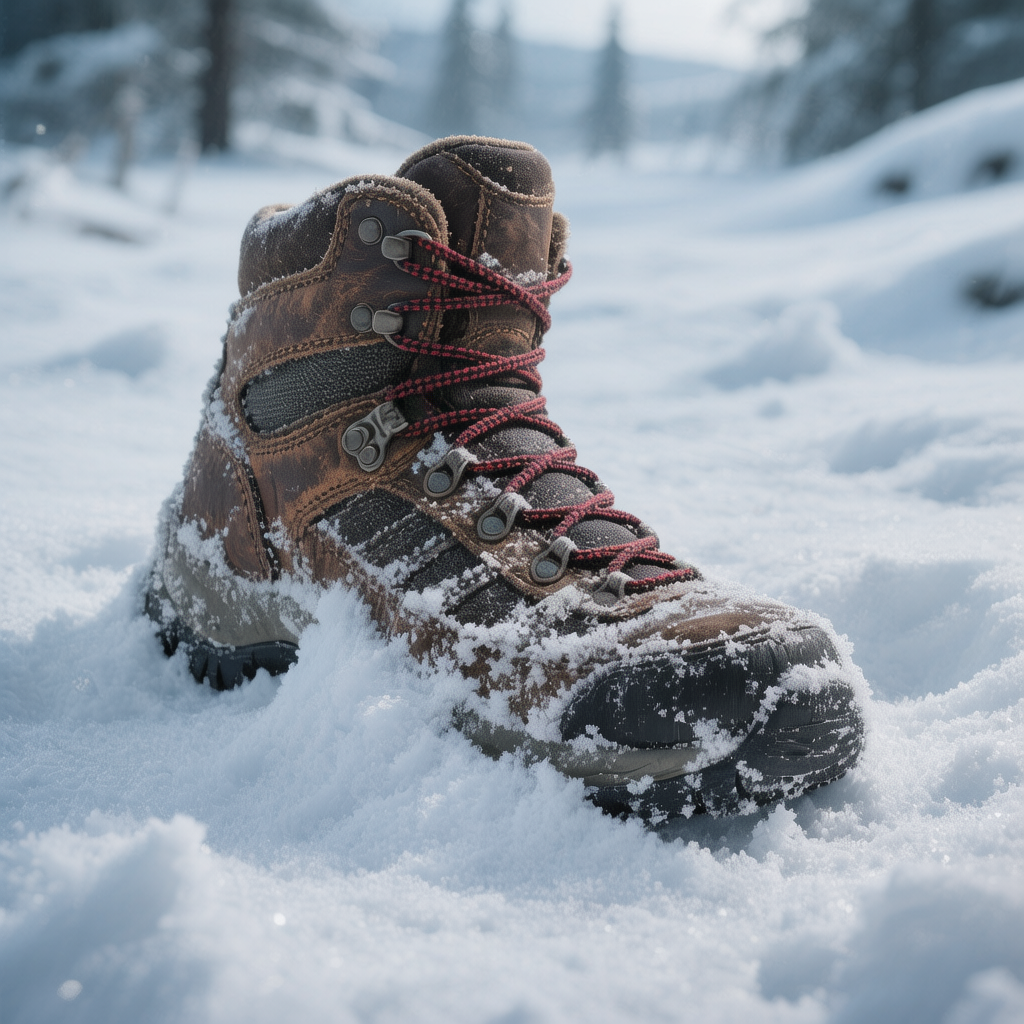
Hiking boots aren’t ideal for snow. They usually lack proper insulation and waterproofing, leaving your feet cold and wet. You might also struggle with traction on icy surfaces, as their soles don’t provide enough grip. Without the right features, they won’t perform well in winter conditions. If you’re looking for better options or tips on how to choose the right footwear for snowy environments, there’s more to discover!
Can I Use Hiking Boots for Snow? Key Takeaways
- Hiking boots typically lack proper insulation and waterproofing, leading to cold and wet feet in snowy conditions.
- They may offer inadequate traction and grip on slippery surfaces, increasing the risk of slipping.
- Snow-compatible footwear features insulation, waterproof technology, and rugged outsoles designed specifically for snow.
- Hiking boots may not accommodate warm socks and could cause discomfort during winter activities.
- For optimal performance in snow, consider specialized winter boots designed for insulation, traction, and moisture resistance.
Understanding the Limitations of Hiking Boots in Snow
While hiking boots are essential for various terrains, they often fall short in snowy conditions. You might find that hiking boots lack proper insulation and waterproofing, leaving your feet cold and wet when you encounter snow.
These hiking boot limitations can lead to decreased traction, making it harder to navigate slippery surfaces. Additionally, the soles may not provide the grip you need on ice, raising snow safety concerns.
If you plan to hike in snowy areas, consider the risks associated with using these boots. They simply aren’t designed for the unique challenges of winter landscapes.
Key Features to Look for in Snow-Compatible Footwear
When you’re choosing footwear for snowy conditions, it’s crucial to prioritize specific features that enhance both warmth and safety.
Look for boots with snowshoe compatibility, as this ensures you can easily attach snowshoes without any hassle. A rugged, slip-resistant outsole is essential for navigating slippery surfaces, providing you with stability and traction.
Make sure the boots have a snug fit to accommodate your winter sock selection, which should be warm and moisture-wicking. Insulation is important, but focus on the boot’s ability to keep snow out while allowing breathability.
Lastly, consider a taller shaft for added protection against snow ingress. By focusing on these features, you’ll ensure your feet stay comfortable and secure in snowy conditions.
Insulation and Waterproofing: Keeping Your Feet Warm and Dry
When you’re hiking in snowy conditions, insulation and waterproofing are crucial for keeping your feet warm and dry.
You’ll want to understand the different types of insulation available and how boot materials can enhance waterproofing features.
Let’s explore what you need to know to choose the best boots for your winter adventures.
Insulation Types Explained
Choosing the right insulation for your hiking boots can make all the difference in keeping your feet warm and dry during snowy adventures.
Insulation materials like Thinsulate, fleece, and wool are popular choices because they offer excellent warmth retention without adding excessive bulk. Thinsulate, for instance, is lightweight yet highly effective, making it a favorite among hikers.
Fleece provides a soft, cozy feel, while wool naturally wicks moisture away, ensuring your feet stay dry.
When selecting boots, consider the insulation thickness and type, as these factors directly impact how well your feet will stay warm in cold conditions.
Waterproofing Features Importance
While insulation is crucial for warmth, waterproofing features are equally important for keeping your feet dry during snowy hikes. You don’t want to end up with soggy socks and cold toes, right?
Quality hiking boots often incorporate advanced waterproof technology, ensuring that snow and moisture stay out while allowing for sweat to escape. This moisture management keeps your feet comfortable and prevents blisters.
Look for boots with sealed seams and breathable membranes, as they enhance performance in wet conditions. Remember, even if your boots are insulated, they won’t be effective if they soak through.
Prioritizing waterproofing alongside insulation will help you tackle those snowy trails with confidence, keeping you warm and dry all day long.
Boot Material Considerations
The materials used in hiking boots play a significant role in both insulation and waterproofing, directly impacting your comfort on snowy trails. When considering boot construction, look for materials that provide both warmth and waterproofing.
Insulated liners and breathable membranes work together to keep your feet warm and dry, preventing moisture build-up. High-quality materials, such as Gore-Tex or leather, offer excellent waterproofing, while synthetic insulation adds warmth without bulk.
Material durability is also crucial; choose boots that can withstand harsh conditions without compromising performance. Well-constructed boots not only protect against cold and wet environments but also enhance your stability and support on slippery terrain.
Prioritize these factors to ensure your hiking experience in snow is enjoyable and safe.
Traction and Grip: Navigating Slippery Surfaces
When you’re hiking in snowy conditions, the right sole material can make all the difference in your grip.
You’ll need to consider whether studded soles provide the traction you want, or if smooth soles will suffice for your journey.
Understanding these options helps you stay stable on slippery surfaces and navigate with confidence.
Sole Material Importance
Choosing the right sole material for your hiking boots can make all the difference when navigating slippery surfaces.
When you’re out in the snow, you need boots that provide excellent traction performance. A rubber sole with a good grip pattern allows you to confidently tackle icy patches and packed snow without slipping.
Look for materials that balance sole durability with flexibility; you want something tough enough to withstand harsh conditions yet pliable enough to adapt to uneven terrain.
Remember, not all rubber compounds are created equal—some offer better grip than others.
Prioritizing the right sole material ensures you stay steady on your feet, making your winter hikes safer and more enjoyable.
Studded vs. Smooth Soles
While both studded and smooth soles have their place in winter hiking, understanding their differences can significantly impact your stability on icy trails.
Studded soles are designed with small spikes that grip the ice, providing excellent traction when navigating slippery surfaces. If you’re tackling heavily iced paths, these boots can help prevent slips and falls.
On the other hand, smooth soles might suffice for lighter snow or packed trails, offering a comfortable feel but lacking that essential grip.
If you’re unsure, consider your hiking environment. For icy conditions, opt for studded soles to enhance your safety. In contrast, smooth soles may be fine for less treacherous winter hikes, offering versatility without the added weight of spikes.
Proper Care and Maintenance for Winter Hiking Boots
Proper care and maintenance of your winter hiking boots can significantly extend their lifespan and enhance your comfort on the trails.
Start with regular boot cleaning; remove dirt and debris after each hike using a soft brush and mild soap. Rinse thoroughly and let them air dry away from direct heat sources. Once clean, don’t forget to apply a waterproofing treatment to keep moisture at bay.
For storage, keep your boots in a cool, dry place, away from sunlight and heat. Consider using boot trees or stuffing them with newspaper to maintain their shape.
Finally, check your laces and soles regularly for wear and tear, replacing them as needed. Following these tips will keep your boots in top condition for many winter adventures ahead!
Alternatives to Hiking Boots for Snowy Conditions
If you’re looking for alternatives to traditional hiking boots in snowy conditions, you might want to consider options like snowshoes or insulated winter boots.
Snowshoe alternatives, such as lightweight snowshoes, can provide excellent traction and flotation on deep snow, allowing you to navigate trails with ease. Insulated winter boots are designed to keep your feet warm and dry, featuring waterproof materials and thermal insulation.
If you prefer a more athletic approach, winter trail runners are a great choice. They’re lightweight and offer good grip, making them suitable for packed snow and icy conditions.
Just make sure they’ve adequate insulation and water resistance to keep your feet comfortable. Explore these alternatives to find what works best for your snowy adventures!
Frequently Asked Questions
Can I Wear Hiking Boots for Snowshoeing Activities?
You can wear hiking boots for snowshoeing, but ensure they’ve good insulation for warmth and traction. Prioritize snowshoeing safety by checking the fit and compatibility with your snowshoes for the best experience.
How Do I Know if My Hiking Boots Are Waterproof?
To know if your hiking boots are waterproof, check the boot materials and look for labels indicating waterproof features. You can also perform a waterproof testing by splashing water on them and observing any leaks.
Are There Specific Brands Recommended for Snow Use?
For snow use, brands like Salomon, Columbia, and The North Face are recommended. Compare their insulation features to ensure warmth and comfort in harsh conditions. Prioritize waterproofing and traction for the best performance.
Can I Add Traction Devices to My Hiking Boots?
Yes, you can add traction devices to your hiking boots. Just make sure your boots are compatible with the traction device options you choose, enhancing your grip and stability on snowy or icy surfaces.
What Temperature Range Are Hiking Boots Suitable for in Snow?
Hiking boots typically perform well in snow when temperatures are 20°F to 40°F, depending on insulation levels. Always consider the temperature guidelines to ensure your feet stay warm and comfortable during your adventure.
Conclusion
In conclusion, while you can use hiking boots for snow, it’s essential to consider their limitations. Look for features like insulation, waterproofing, and good traction to ensure comfort and safety. If your hiking boots don’t meet these criteria, you might want to invest in specialized winter footwear. Proper care and maintenance can also extend the life of your boots. Stay warm and safe on your winter adventures, and choose the right gear for the conditions!
