
A Comprehensive Guide for Hikers
Understanding Peak District weather and mountain safety is the most critical skill any hiker can possess before venturing into the diverse landscapes of the UK’s first National Park. While the hills of Derbyshire and South Yorkshire may lack the sheer altitude of the Scottish Highlands or the Lake District, they are notoriously deceptive. The rolling plateaux and dramatic gritstone edges are subject to rapid, often violent changes in Peak District mountain weather that can turn a pleasant afternoon stroll into a life-threatening situation. For those planning their next Peak District Day Hikes, preparation is not merely a recommendation; it is a fundamental requirement for UK hill walking safety.
The Peak District is divided into two distinct geological areas: the Dark Peak and the White Peak. Each presents unique challenges regarding Peak District hiking safety. The Dark Peak, characterized by high peat moorlands and gritstone escarpments like the Stanage Edge Walk, is prone to thick mist and boggy terrain that can disorient even experienced navigators. Conversely, the White Peak’s limestone dales and hills, such as the Mam Tor Great Ridge Walk, offer firmer footing but can become treacherous skating rinks when Peak District weather conditions turn wet or icy. This guide aims to equip you with the knowledge to interpret Peak District mountain weather forecasts and respond effectively to the hazards of the trail.
Peak District weather and mountain safety
The core of Peak District weather and mountain safety lies in the recognition that the environment at 400 or 600 metres is vastly different from that in the valley villages like Castleton or Edale. Temperature, wind speed, and visibility can vary significantly over just a few hundred metres of ascent. A common mistake made by novice hikers is assuming that the mild Peak District weather conditions in a sheltered car park will persist on the exposed summit of a route like Kinder Scout via Grindsbrook Clough.
To maintain high standards of Peak District hiking safety, walkers must adopt a “worst-case scenario” mindset. This involves checking specialized forecasts, carrying appropriate gear, and having the humility to turn back when the Peak District mountain weather deteriorates. The Peak District National Park Authority emphasizes that safety is a personal responsibility. By understanding the interplay between terrain and atmosphere, you can significantly reduce the risk of becoming a statistic in a Mountain Rescue log. UK hill walking safety is built on the pillars of education, equipment, and experience.
Understanding Weather in the Peak District
The geography of the Peak District makes it a focal point for complex Peak District weather conditions. As moist air from the Atlantic is forced upward over the Pennine hills, it cools and condenses, leading to higher rainfall and more frequent cloud cover than the surrounding lowlands. This process, known as orographic lift, means that the “clag” (low cloud) can descend in minutes, reducing visibility to near zero on the high moors.
When assessing Peak District mountain weather, hikers should consult the Met Office (mountain weather) forecast specifically for the Peak District. This forecast provides crucial data that standard weather apps often miss, including:
- Lapse Rate: The rate at which temperature drops with altitude. In the Peaks, you can generally expect a drop of 1°C for every 100 metres of ascent.
- Wind Chill: A 20mph wind can make a 5°C air temperature feel like -2°C. On exposed ridges, wind chill is a primary factor in the onset of hypothermia.
- Cloud Base: Knowing the height at which clouds will form helps you predict when you might lose visual landmarks.
- Buffeting: The forecast will indicate if wind gusts are likely to impede muscular control, which is vital for Peak District hiking safety on narrow edges.
Understanding these Peak District weather conditions allows you to plan your route accordingly. For instance, if high winds are forecast, avoiding the Stanage Edge Walk in favour of a sheltered woodland walk is a sensible application of UK hill walking safety principles. Additionally, staying updated with mountain weather forecasts in the UK can significantly enhance your safety and enjoyment during outdoor activities. By checking these forecasts, you can make informed decisions about your hike, including preparation for sudden weather changes. This proactive approach not only ensures a safer experience but also allows you to fully appreciate the breathtaking landscapes that the Peak District has to offer.
Common Weather-Related Risks
The most frequent threats to Peak District hiking safety are often the most underestimated. While dramatic falls make headlines, the slow attrition caused by Peak District mountain weather is a more common cause of emergency call-outs.
1. Hypothermia and Cold Stress: Even in summer, a combination of rain and wind can lead to a rapid drop in core body temperature. Hypothermia is a major concern for Peak District weather and mountain safety because it impairs judgment before it impairs physical movement. Hikers may become confused and make poor navigational choices, leading them further into danger. It is crucial for hikers to be aware of the signs of hypothermia, such as shivering, fatigue, and confusion. Familiarity with treatment methods for hypothermia can be lifesaving, as prompt action can help prevent severe consequences. Carrying extra clothing, thermal blankets, and warm beverages can provide essential support in emergency situations.
2. Heat Exhaustion: Conversely, the high plateaux offer no shade. During summer heatwaves, the Peak District weather conditions can lead to severe dehydration and heatstroke, especially on strenuous climbs like the ascent of Kinder Scout. UK hill walking safety requires carrying at least 2 litres of water and wearing sun protection.
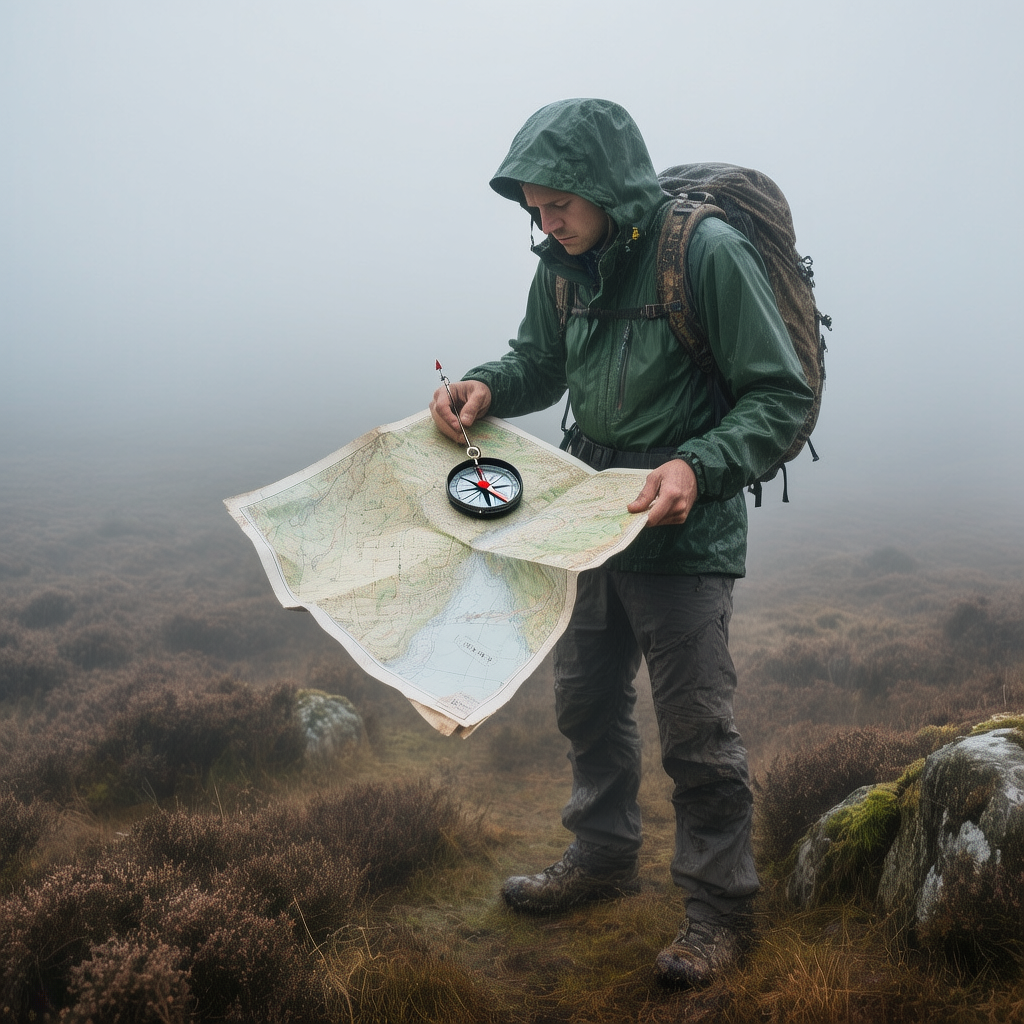
3. Poor Visibility and Navigation Failure: The “Dark Peak” moors are notoriously featureless. When the Peak District mountain weather brings in thick mist, the lack of distinct landmarks makes it impossible to walk in a straight line without a compass. Many hikers rely on GPS, but battery failure in cold Peak District weather conditions is a frequent cause of “lost hiker” reports.
4. Lightning: The high, exposed ridges of the Peak District are natural lightning conductors. If you hear thunder or see lightning, the only Peak District hiking safety protocol is to descend immediately. Avoid standing near lone trees, metal fences, or on the very edge of the escarpment.
Staying Safe on Peaks, Edges and Plateaux
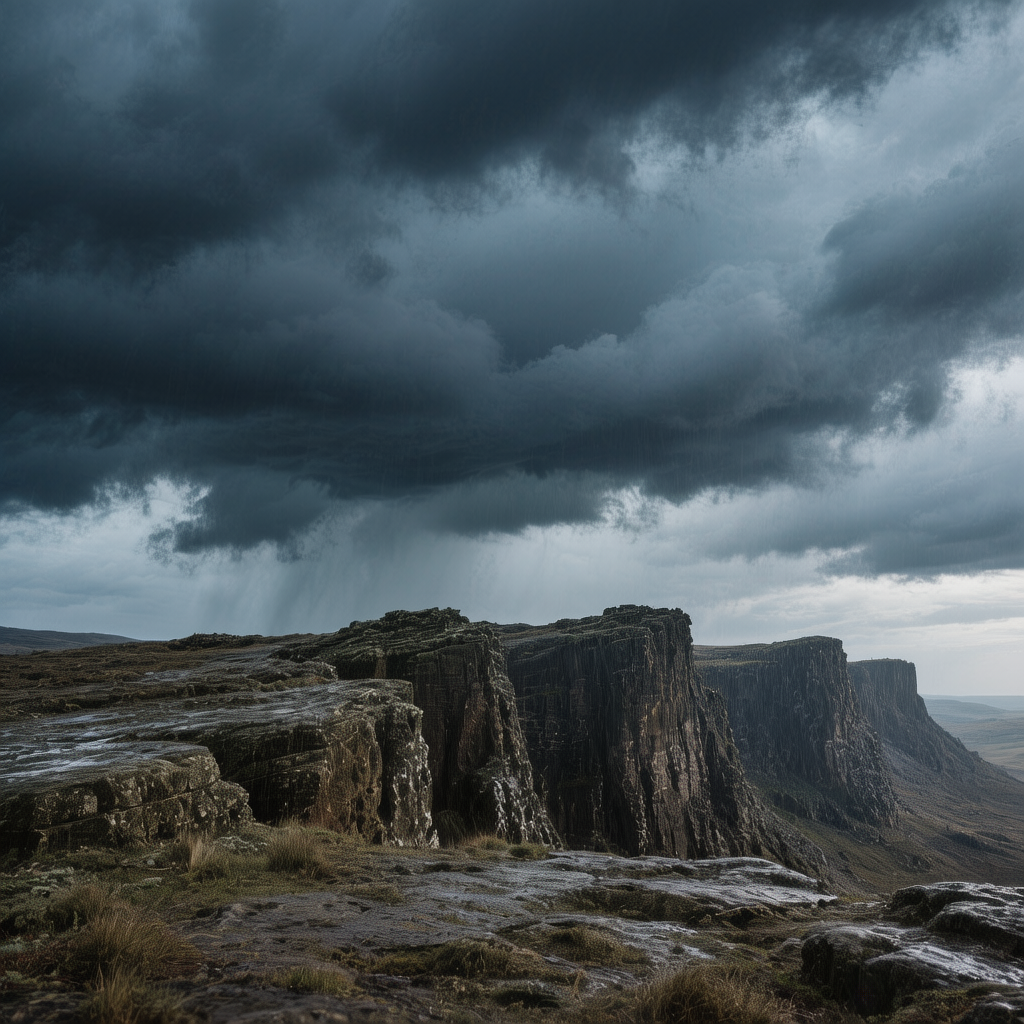
Different terrains within the park require different Peak District hiking safety strategies. The way you approach Peak District weather and mountain safety on the Mam Tor Great Ridge Walk should differ from your approach to the remote interior of the Kinder plateau.
On the Edges: Locations like Stanage, Curbar, and Froggatt Edge are famous for their vertical drops. The primary risk here is wind. Strong gusts can literally blow a walker off the edge. When Peak District mountain weather indicates gusts over 40mph, stay well back from the rim. Gritstone is also very abrasive; a slip can result in significant “road rash” even if you don’t fall far.
On the Plateaux: The interior of Kinder Scout and Bleaklow is a labyrinth of “groughs” (deep peat channels). In wet Peak District weather conditions, these fill with water and liquid peat. UK hill walking safety on this terrain requires waterproof boots and gaiters. More importantly, it requires micro-navigation. You must know your exact position at all times, as there are no paths in the traditional sense once you leave the perimeter.
In the Dales: The limestone dales of the White Peak are sheltered from the wind but are prone to flash flooding. The Peak District mountain weather in the hills above can cause rivers like the Lathkill or Dove to rise with surprising speed. Additionally, wet limestone is incredibly slick. Peak District hiking safety in the dales often comes down to careful foot placement to avoid fractures or sprains.
What to Carry for Safety
Your equipment is your last line of defence against unpredictable Peak District weather conditions. A “light and fast” approach is popular, but UK hill walking safety dictates a minimum kit list that should be in your pack regardless of the forecast.
- Navigation: A physical OS Map (Explorer OL1 and OL24) and a high-quality baseplate compass. Do not rely on a phone alone.
- Extra Layers: A synthetic or wool mid-layer and a high-quality waterproof shell. Avoid cotton, which absorbs water and saps body heat.
- Emergency Shelter: A lightweight “bothy bag” or survival bag can save lives if you are forced to stop due to injury or Peak District mountain weather.
- First Aid: A basic kit including blister plasters, bandages, and any personal medication.
- Nutrition: High-energy snacks (nuts, chocolate, energy bars) and more water than you think you need.
- Illumination: A headtorch with spare batteries. Many rescues occur because hikers underestimated how quickly it gets dark in the valleys once the sun drops behind the hills.
- Communication: A fully charged phone and a portable power bank. Register your phone for the emergency SMS service before you leave.
Carrying this gear is a cornerstone of Peak District weather and mountain safety. It ensures that if the Peak District hiking safety situation changes, you have the tools to survive an unplanned night on the hills or manage a minor injury until help arrives.
What to Do in an Emergency
Even with perfect preparation, accidents happen. Knowing how to respond is the final component of Peak District weather and mountain safety. If you or a member of your party becomes incapacitated, or if you are hopelessly lost in dangerous Peak District mountain weather, you must know how to summon help.
1. Assess the Situation: Stay calm. Ensure the rest of the group is safe and warm. Use your emergency shelter if you have one. UK hill walking safety starts with preventing further casualties. If someone becomes separated from the group, it’s crucial to establish a meeting point where everyone can regroup. In addition, sharing lost hiking tips for the UK can help enhance safety by ensuring all members are equipped with navigation skills and emergency contacts. Always remember to inform a trusted person about your hiking plans before setting out to ensure timely assistance if needed.
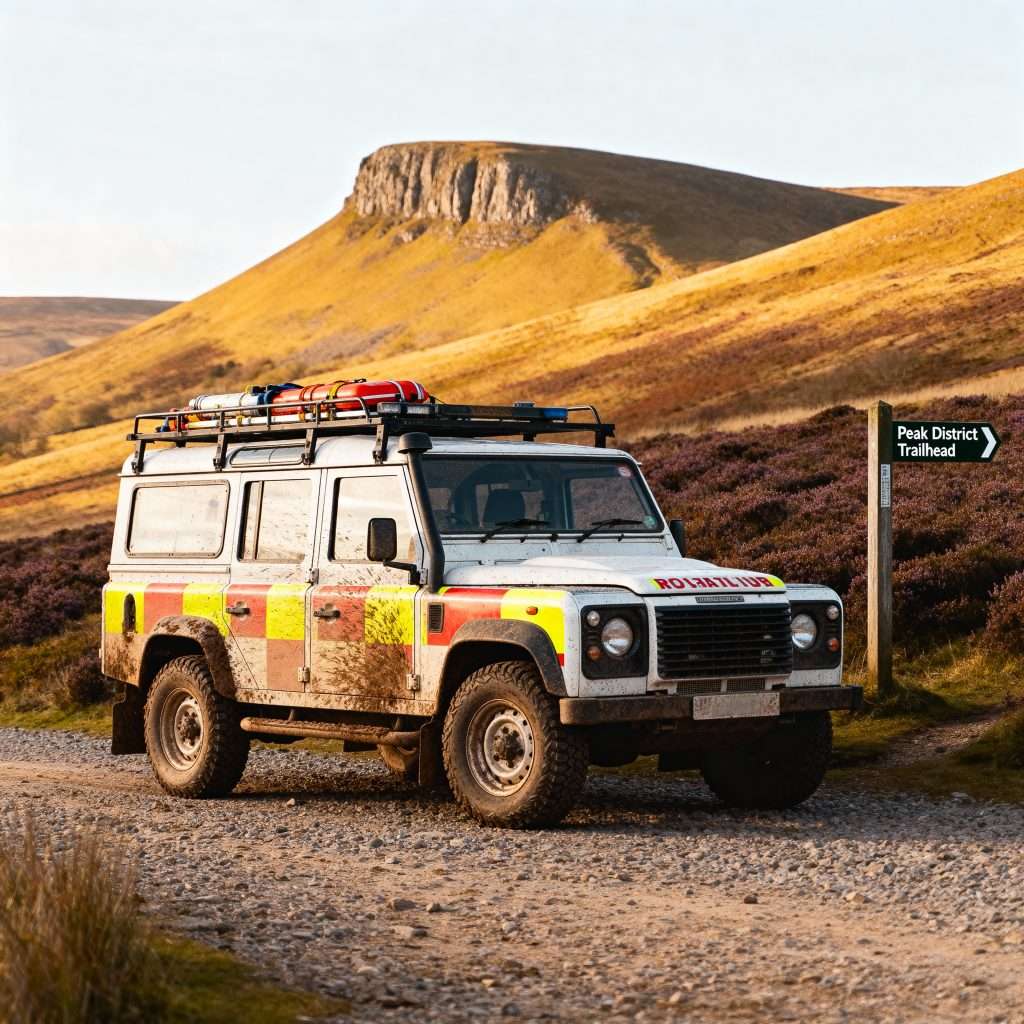
2. Call for Help: Dial 999 or 112. Ask for the POLICE and then ask for MOUNTAIN RESCUE. Be prepared to give your location (preferably a six-figure grid reference or a “What3Words” address), the nature of the emergency, and the number of people involved. The Mountain Rescue England & Wales teams are volunteers who operate in all Peak District weather conditions.
3. Stay Put: Once you have called for help, do not move unless you are in immediate danger (e.g., from rising water or lightning). It is much harder for rescuers to find a moving target in poor Peak District mountain weather.
4. Signal: Use your whistle (six short blasts, one minute silence, repeat) or your headtorch to signal your position. This is a standard Peak District hiking safety protocol that helps teams locate you in the dark or mist.
Ultimately, the goal of Peak District weather and mountain safety is to ensure that every hiker returns home safely to plan their next adventure. By respecting the power of Peak District mountain weather and acknowledging the inherent risks of the terrain, you can enjoy the stunning beauty of the National Park with confidence. Whether you are tackling a challenging Peak District Day Hikes route or a gentle valley stroll, let safety be the foundation of your journey. The hills will always be there tomorrow; your UK hill walking safety is what matters today.
