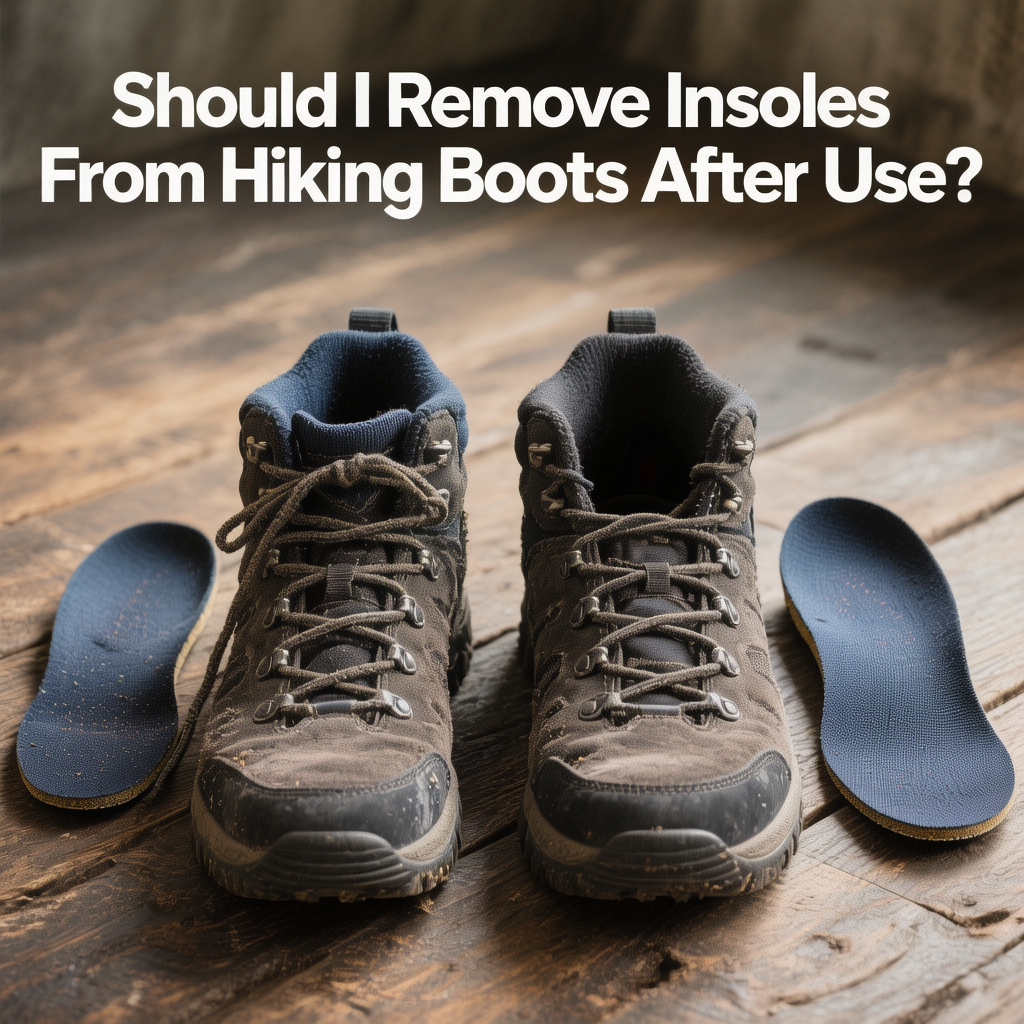
Removing insoles from your hiking boots after use can boost comfort and hygiene by allowing moisture to evaporate, thus preventing odor and bacteria buildup. However, it might also risk insole durability and support if not managed properly. If your boots feel comfortable and supportive, you might want to keep the insoles in. It’s essential to weigh the benefits and drawbacks to find what works best for your feet, and there’s more to consider about maintenance.
Should I Remove Insoles From Hiking Boots After Use? Key Takeaways
- Removing insoles after use improves hygiene by allowing moisture and air to escape, reducing odor and bacteria buildup.
- Keeping insoles in can maintain their shape and support, which is crucial for comfort during hikes.
- Regularly removing insoles can extend their lifespan and effectiveness by preventing deterioration from dampness.
- Consider keeping insoles in during multi-day hikes for consistent cushioning and to prevent blisters.
- Balance the benefits of removal with potential wear and tear to ensure optimal foot support and comfort.
Understanding the Purpose of Insoles
Insoles play a crucial role in the overall comfort and support of your hiking boots. They come in various insole types, each designed to cater to different foot shapes and needs.
Whether you’re looking for extra cushioning, arch support, or moisture-wicking properties, selecting the right insole can make a significant difference in your hiking experience.
Good insoles provide essential foot support, helping to reduce fatigue during long treks. They also enhance stability and prevent blisters by keeping your foot properly aligned within the boot. Choosing the right combination of insoles and footwear can significantly improve your hiking experience. When searching for the best affordable hiking boots uk, it’s essential to consider options that offer both comfort and durability. Investing in quality insoles alongside these boots will ensure that your feet remain supported, allowing you to conquer even the longest trails with ease.
If you’re planning an extended hike, investing time in choosing the right insoles ensures that you’ll enjoy your adventure without discomfort, allowing you to focus on the breathtaking views and not your aching feet.
Benefits of Removing Insoles After Use
Removing insoles after each use can significantly extend their lifespan and maintain their effectiveness. When you take them out, you improve insole hygiene by allowing them to air out and dry properly, reducing the risk of odor and bacteria buildup.
This is especially important after a long hike where your feet sweat and moisture accumulates. Proper moisture management is crucial for keeping your insoles in good condition, as dampness can lead to deterioration over time.
Drawbacks of Removing Insoles After Use
While taking out your insoles can have its benefits, it may also lead to some drawbacks. One major concern is the potential decrease in insole durability. Regularly removing and replacing them can cause wear and tear, reducing their lifespan.
Additionally, if you don’t properly store or care for your insoles after removal, they might lose their shape, affecting their effectiveness. This can compromise the foot support you rely on during hikes.
Without adequate support, you may experience discomfort or even injuries on your adventures. So, while it’s tempting to remove those insoles, consider the impact on their durability and the essential support they provide for your feet.
Balancing these factors is key to maintaining your hiking experience.
When to Consider Keeping Insoles In
If you want to maintain the support and comfort of your hiking boots, keeping the insoles in is often the best choice. Additionally, regularly replacing or cleaning the insoles can enhance their effectiveness and prolong the life of your boots. As you search for the best hiking boots for 2025, consider those that offer high-quality, removable insoles designed for easy maintenance. This will not only ensure optimal comfort but also improve your overall hiking experience. Additionally, investing in the best insoles for hiking boots can make a significant difference in how your feet feel during long treks. Look for insoles that provide adequate arch support and cushioning tailored for your foot type. This attention to detail can help prevent blisters and fatigue, allowing you to focus on enjoying the great outdoors.
When you’re facing varied hiking conditions, like rocky trails or muddy paths, those insoles provide essential cushioning and stability. They help absorb impact, reducing fatigue and enhancing your overall foot comfort during long treks.
If you’re planning a multi-day hike or tackling challenging terrains, the extra support from the insoles can prevent blisters and discomfort. Additionally, if your insoles are custom or offer specific arch support, removing them could compromise your foot health.
Trust your instincts: if your boots feel good with the insoles in, it’s usually wise to keep them there for your next adventure.
Tips for Maintaining Your Insoles and Boots
To keep your insoles and hiking boots in top shape, regular maintenance is essential. Start with insole cleaning; remove them after each hike and wash them with mild soap and water. Allow them to air dry completely before reinserting them into your boots. This helps prevent odor and prolongs their lifespan. Additionally, ensure that the outer surfaces of your boots are also taken care of by regularly brushing off dirt and grime. For those looking for more effective ways to maintain their footwear, consider looking up cleaning walking boots tips, which can provide specific methods for treating various materials. Investing a bit of time in maintenance will not only enhance comfort but also extend the overall life of your hiking gear.
When it comes to boot storage, always keep your hiking boots in a cool, dry place, away from direct sunlight. This prevents material degradation. You might also consider using boot trees to maintain their shape. Additionally, it’s essential to clean your hiking boots regularly to remove dirt and debris that can damage the materials. For those with waterproof membranes, following specific waterproof hiking boot maintenance tips can help preserve their effectiveness and prolong the life of your footwear. Lastly, always check for any signs of wear and tear, and address issues promptly to maintain optimal performance on your hikes.
Lastly, inspect your boots and insoles for wear and tear regularly. Catching issues early can save you from more significant problems down the line, ensuring your gear is always ready for your next adventure.
Making the Right Choice for Your Feet
Choosing the right insoles for your hiking boots can make all the difference in your comfort and performance on the trail. When you prioritize foot support, you help prevent fatigue and discomfort, allowing you to focus on enjoying nature.
Look for insoles that offer cushioning and arch support tailored to your foot type; this can enhance your hiking comfort significantly. If you have specific foot issues, consider custom orthotics that cater to your needs.
Always try out your insoles before hitting the trail, ensuring they fit well and provide the support you require. Remember, the right insoles can transform your hiking experience, making it more enjoyable and pain-free.
Invest in your feet; they carry you through every adventure.
Frequently Asked Questions
Can I Wash My Insoles in the Washing Machine?
You shouldn’t wash your insoles in the washing machine, as it can damage them. Instead, use gentle hand washing techniques to maintain insoles longevity and keep them fresh without compromising their structure or support.
How Often Should I Replace My Insoles?
You should replace your insoles every 6 to 12 months, depending on frequency indicators like wear and odor. Watch for performance signs such as reduced cushioning or support, which signal it’s time for new insoles.
What Materials Are Best for Hiking Boot Insoles?
For hiking boot insoles, go for high-density foam types for support and durability. Consider gel cushioning for added comfort and shock absorption. Together, they’ll enhance your hiking experience and keep your feet happy on the trail.
Can Insoles Affect My Hiking Boot Fit?
Yes, insoles can affect your hiking boot fit. Insole thickness and foot arch play crucial roles in comfort and support. Choosing the right insoles ensures a snug fit, enhancing your overall hiking experience.
Are Custom Insoles Worth the Investment?
Absolutely, custom insoles are worth the investment. They enhance comfort, improve fit, and boost insole durability. Plus, the custom insole benefits help prevent fatigue, ensuring you enjoy your hikes without unnecessary foot pain.
Conclusion
In conclusion, whether you remove insoles from your hiking boots after use depends on your specific needs. If you prioritize drying and maintenance, taking them out can be beneficial. However, if you find comfort in leaving them in, that’s okay too. Just make sure to keep both your insoles and boots clean and dry to extend their lifespan. Ultimately, listen to your feet and choose what feels best for you and your hiking adventures.
