The Ultimate Guide
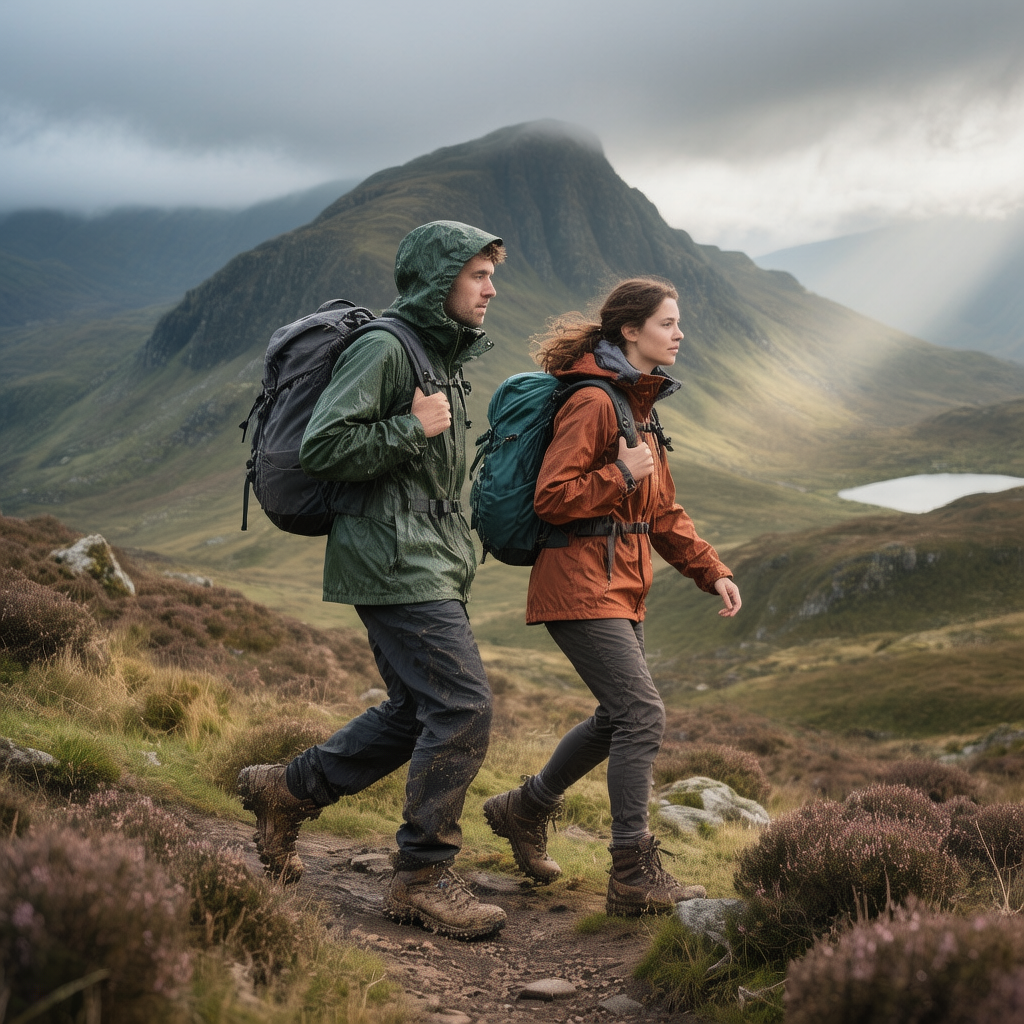
Knowing what to wear hiking in the Peak District is the most fundamental step in preparing for a successful day on the hills, as the region’s weather is famously unpredictable and its terrain varies from boggy moorland to sharp limestone ridges. Whether you are tackling the high-altitude plateaux of the Dark Peak or the rolling dales of the White Peak, your Peak District hiking clothing must be versatile enough to handle four seasons in a single afternoon. As one of the most popular areas for Peak District Day Hikes, the National Park attracts thousands of walkers who often underestimate how quickly conditions can deteriorate once they leave the shelter of the valley floor. Choosing the right Peak District walking outfit is not just about comfort; it is a vital component of your safety and enjoyment.
The secret to a successful day out lies in the application of UK hillwalking clothing layers. Unlike a casual stroll in a city park, a trek up Kinder Scout via Grindsbrook Clough requires technical fabrics that can manage moisture, retain heat, and block the biting Pennine winds. The Peak District weather clothing you choose must be able to adapt as you move from a strenuous, sweat-inducing ascent to a cold, exposed summit. By understanding the specific demands of the Derbyshire landscape, you can ensure that your gear works with you, rather than against you, as you explore iconic routes like the Mam Tor Great Ridge Walk.
In this guide, we will break down the essential components of a high-performance Peak District walking outfit, from the base layer against your skin to the waterproof shell that protects you from the horizontal rain. We will also examine the footwear requirements for different terrains, such as the abrasive gritstone of the Stanage Edge Walk. For a deeper dive into the environmental factors you might face, be sure to consult our Peak District Weather and Mountain Safety Guide. Proper preparation starts with the clothes on your back.
what to wear hiking in the Peak District
When deciding what to wear hiking in the Peak District, you must first consider the specific area you intend to visit. The National Park is geologically split into the “Dark Peak” (northern, gritstone, peat moors) and the “White Peak” (southern, limestone, dales). A Peak District walking outfit for the Dark Peak needs to be more robust; the peat bogs of Bleaklow or Kinder Scout can be knee-deep, and the gritstone edges are highly abrasive to lightweight fabrics. Conversely, a Peak District hiking clothing setup for the White Peak might focus more on breathability and flexibility for navigating steep, grassy slopes and sheltered valley paths.
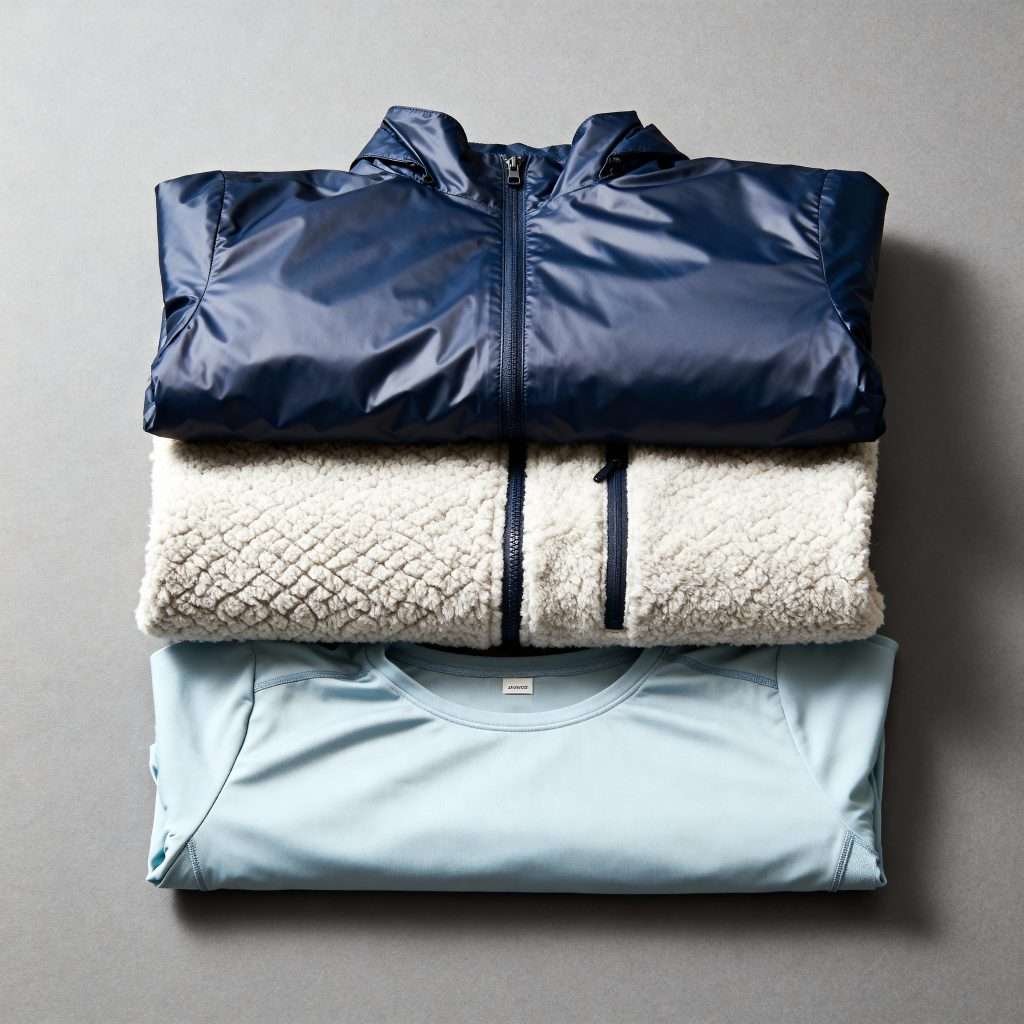
The overarching principle for UK hillwalking clothing layers is the “Three-Layer System.” This consists of a wicking base layer, an insulating mid-layer, and a protective outer shell. This system allows you to add or remove Peak District weather clothing as your activity level and the external temperature change. In the Peak District, where you might experience a 10-degree temperature difference between the village of Edale and the summit of Kinder Scout, this flexibility is non-negotiable. Every item in your Peak District walking outfit should serve a specific purpose, working together to maintain a stable body temperature and keep you dry from both rain and perspiration.
Furthermore, your Peak District hiking clothing should be made of synthetic or wool-based materials. Natural fibres like cotton are the enemy of the hillwalker; they absorb moisture, take hours to dry, and lose all insulating properties when wet, which can lead to rapid cooling and hypothermia. When planning what to wear hiking in the Peak District, always check the technical specifications of your garments to ensure they are designed for active outdoor use in the British climate.
Understanding Peak District Weather Conditions
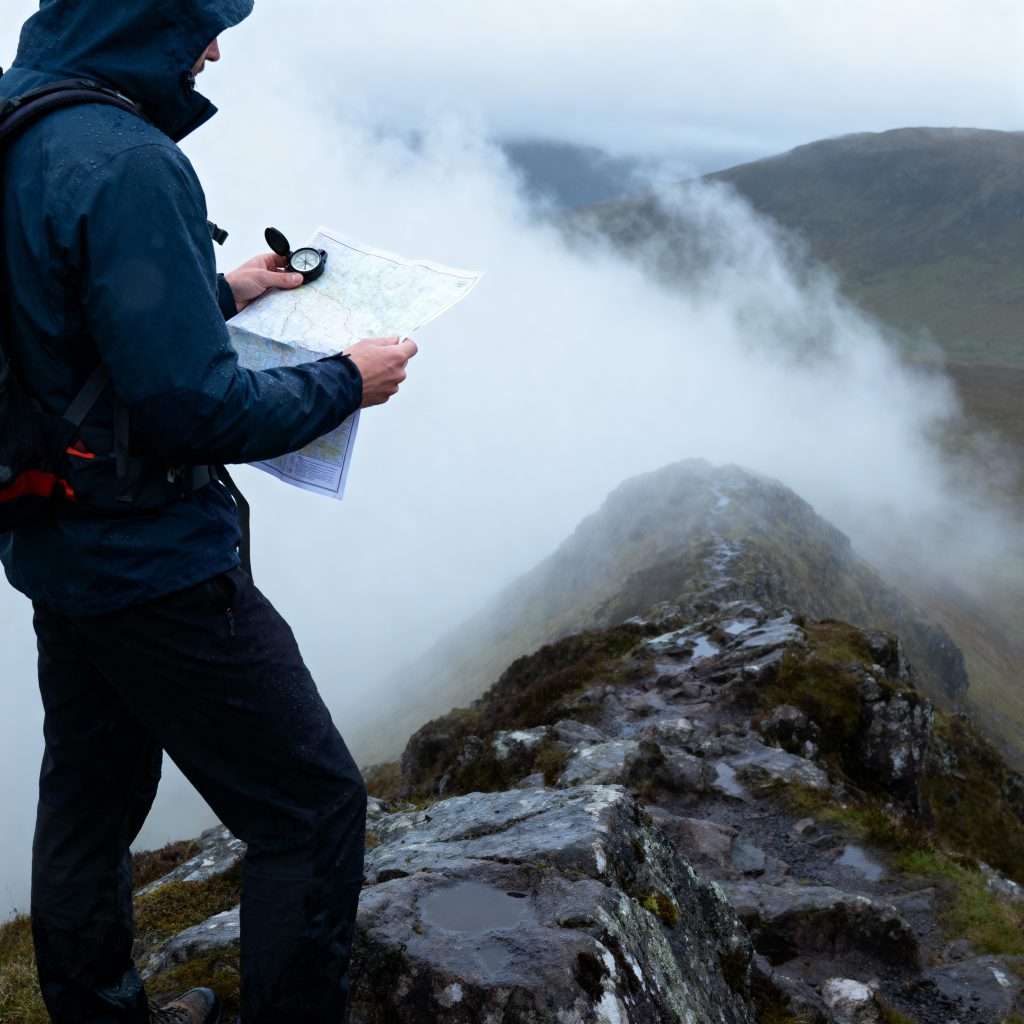
To choose the correct Peak District weather clothing, you must understand the unique meteorological patterns of the region. The Peak District acts as a barrier to moisture-laden air coming off the Atlantic, resulting in significantly higher rainfall than the surrounding lowlands. According to the Met Office, the summits can be shrouded in cloud even when the valleys are bathed in sunshine. This “clag” not only reduces visibility but also introduces a damp chill that penetrates non-technical Peak District hiking clothing.
Wind is another major factor. On exposed ridges like Stanage Edge, wind speeds are often double what they are at sea level. The wind-chill factor can make a 5°C day feel like -2°C. Therefore, your Peak District walking outfit must include a windproof element, usually found in the outer shell or a specialized mid-layer. The Peak District National Park Authority frequently warns hikers about the “lapse rate”—the phenomenon where the temperature drops by approximately 1°C for every 100 metres of ascent. This means that even on a mild day, UK hillwalking clothing layers are essential for the higher elevations.
Finally, the Peak District weather clothing you pack must account for the speed of change. A bright morning can transition into a thunderstorm in less than thirty minutes. This volatility is why experienced hikers always carry a full set of waterproofs in their pack, regardless of how clear the sky looks at the trailhead. UK hillwalking clothing layers are your insurance policy against the unpredictable whims of the Pennine atmosphere.
Core Clothing Layers for Peak District Walks
The effectiveness of your Peak District walking outfit depends on the quality and coordination of your layers. Let’s break down the UK hillwalking clothing layers required for the typical Peak District environment.
- The Base Layer: This is the foundation of what to wear hiking in the Peak District. Its primary job is to “wick” sweat away from your skin to the next layer. Merino wool is a premium choice as it is naturally odour-resistant and stays warm even when damp. Synthetic base layers (polyester/polypropylene) are faster drying and often more durable, making them excellent for high-intensity Peak District Day Hikes.
- The Mid-Layer: This layer provides insulation by trapping air. A fleece is the classic choice for Peak District hiking clothing because it is breathable and lightweight. For colder days, a synthetic “puffer” jacket (insulated with Primaloft or similar) offers a better warmth-to-weight ratio. Avoid down insulation in the Peaks unless it is treated to be water-resistant, as the high humidity and frequent rain can cause untreated down to clump and lose its warmth.
- The Outer Shell (Waterproofs): This is the most critical part of your Peak District weather clothing. A high-quality waterproof jacket with a breathable membrane (like Gore-Tex or Pertex) is essential. Look for features like a stiffened hood to keep rain off your face and “pit zips” for ventilation. Waterproof trousers are also mandatory; walking in wet trousers is not only uncomfortable but significantly increases the risk of cold-related illnesses.
- Legwear: For your Peak District walking outfit, choose trousers made of quick-drying synthetic fabric. Many hikers prefer “softshell” trousers, which offer a degree of wind and water resistance while being much more comfortable and breathable than full waterproofs. Avoid jeans at all costs; they are heavy, restrictive, and dangerous when wet.
Footwear and Socks for the Peak District
Your choice of footwear is just as important as what to wear hiking in the Peak District on your torso. The terrain dictates the tool. For the rocky, uneven paths of the Kinder Scout via Grindsbrook Clough route, a boot with good ankle support and a stiff sole is recommended. The gritstone can be hard on the feet, and the extra protection helps prevent fatigue and injury.
In the White Peak, where paths are often smoother but can be incredibly muddy or slippery (especially on limestone), a lighter hiking shoe or trail runner might be appropriate for experienced walkers. However, for most Peak District Day Hikes, a waterproof boot with a Vibram (or similar high-grip) sole is the safest bet. The “Dragon’s Back” ridges and the steep descents of the Mam Tor Great Ridge Walk require maximum traction to avoid slips.
Do not overlook your socks. A Peak District walking outfit is incomplete without high-quality trekking socks. Look for a wool-synthetic blend with padding in the heel and toe. Good socks prevent blisters by reducing friction and managing moisture. Some hikers prefer a “liner sock” system to further reduce the risk of rubbing. Ensure your Peak District hiking clothing strategy includes a spare pair of socks in your dry bag; putting on fresh, dry socks halfway through a wet Peak District walking outfit transition can be a massive morale booster.
Seasonal Clothing Advice (Spring, Summer, Autumn, Winter)
The definition of what to wear hiking in the Peak District shifts with the seasons. While the layering principle remains the same, the weight and type of Peak District weather clothing will vary.
Spring and Autumn: These are the most “Peak District” of seasons, characterized by rapid changes. Your UK hillwalking clothing layers should focus on versatility. A lightweight windshirt is often useful here, providing protection without the overheating associated with a full waterproof. This is the time for “convertible” trousers and carrying extra gloves and a hat in your pack.
Summer: While it can be warm, the Peak District hiking clothing you choose must still account for the wind on the edges. A lightweight, long-sleeved base layer provides sun protection and wicking. Even in a heatwave, a waterproof jacket should remain in your pack. The Mountain Rescue England & Wales teams frequently assist hikers who went out in “shorts and t-shirts” only to be caught in a sudden, cold downpour.
Winter: This requires a serious upgrade in your Peak District walking outfit. Heavyweight fleeces, insulated jackets, and thick waterproofs are essential. You may also need gaiters to keep snow and mud out of your boots. Winter in the Peaks can be brutal, with sub-zero temperatures and gale-force winds. Your Peak District weather clothing must be of the highest quality, and you should always carry “emergency layers” (like a spare down vest) that you don’t intend to wear unless you have to stop for an extended period.
Common Clothing Mistakes to Avoid
Even experienced walkers can make errors when deciding what to wear hiking in the Peak District. Avoiding these common pitfalls will ensure your Peak District walking outfit performs when you need it most.
- The “Cotton Kill” Mistake: As mentioned, cotton t-shirts and hoodies are dangerous in the hills. They soak up sweat and rain, becoming heavy and cold. Stick to synthetic or wool Peak District hiking clothing.
- Over-Layering at the Start: A common error is starting a walk wearing too many UK hillwalking clothing layers. You should feel “boldly cold” at the trailhead. Within ten minutes of climbing toward Stanage Edge Walk, your body will generate heat. If you start warm, you will quickly sweat, dampening your base layer and making you colder later.
- Neglecting Extremities: Your Peak District walking outfit must include a hat and gloves, even in summer. Most body heat is lost through the head, and cold hands make it difficult to use a compass or zip up a jacket.
- Trusting “Water-Resistant” Gear: In the Peak District, “water-resistant” usually means “soaked in ten minutes.” Ensure your Peak District weather clothing is fully waterproof with taped seams if you expect any rain.
- Poorly Fitted Footwear: Boots that are too tight will restrict circulation and lead to cold feet, while boots that are too loose will cause blisters. Ensure your Peak District hiking clothing choices extend to properly fitted, broken-in footwear.
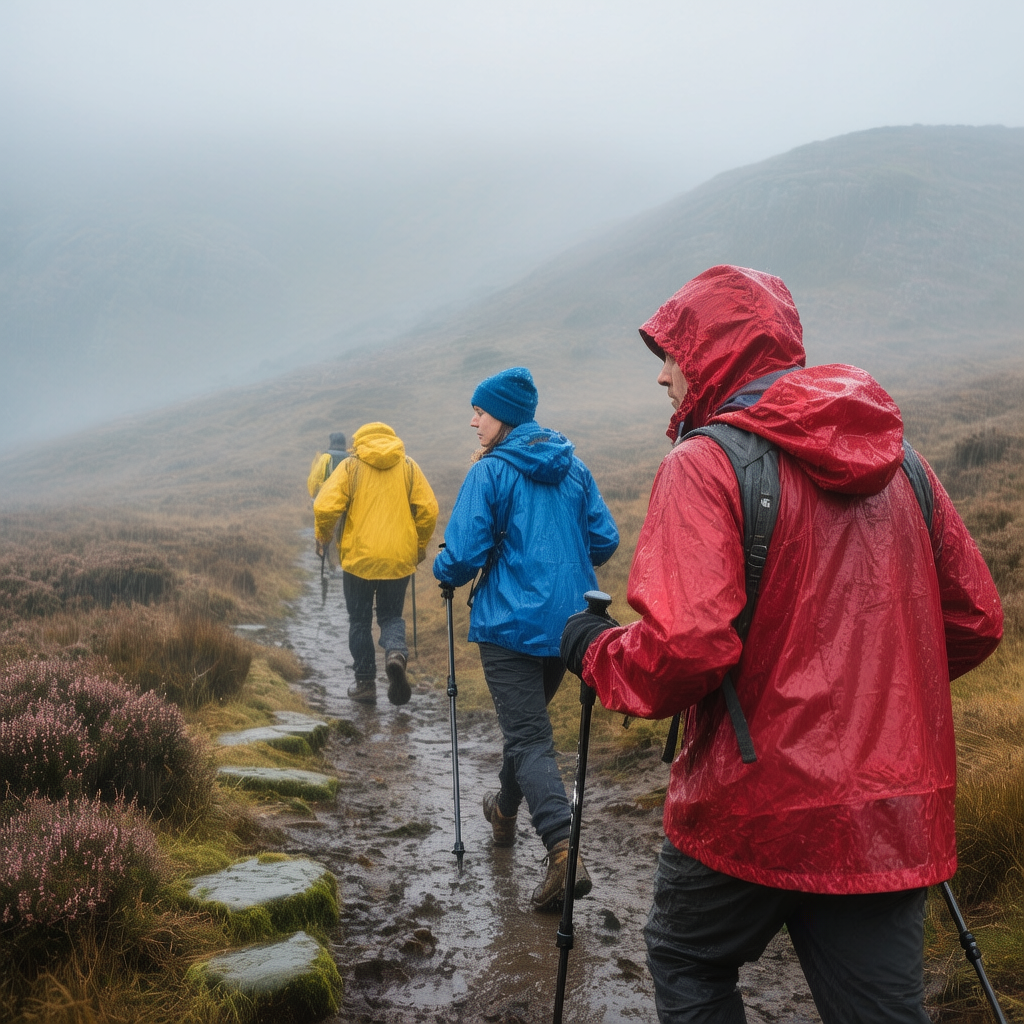
In conclusion, what to wear hiking in the Peak District is a matter of balancing protection, breathability, and weight. By investing in a high-quality Peak District walking outfit and mastering the art of UK hillwalking clothing layers, you can face the challenges of the Dark and White Peaks with confidence. Whether you are enjoying the views on the Mam Tor Great Ridge Walk or navigating the bogs of Kinder Scout, your Peak District hiking clothing is your primary interface with the environment. Respect the weather, understand the terrain, and dress for the adventure that awaits you in the UK’s original National Park.
