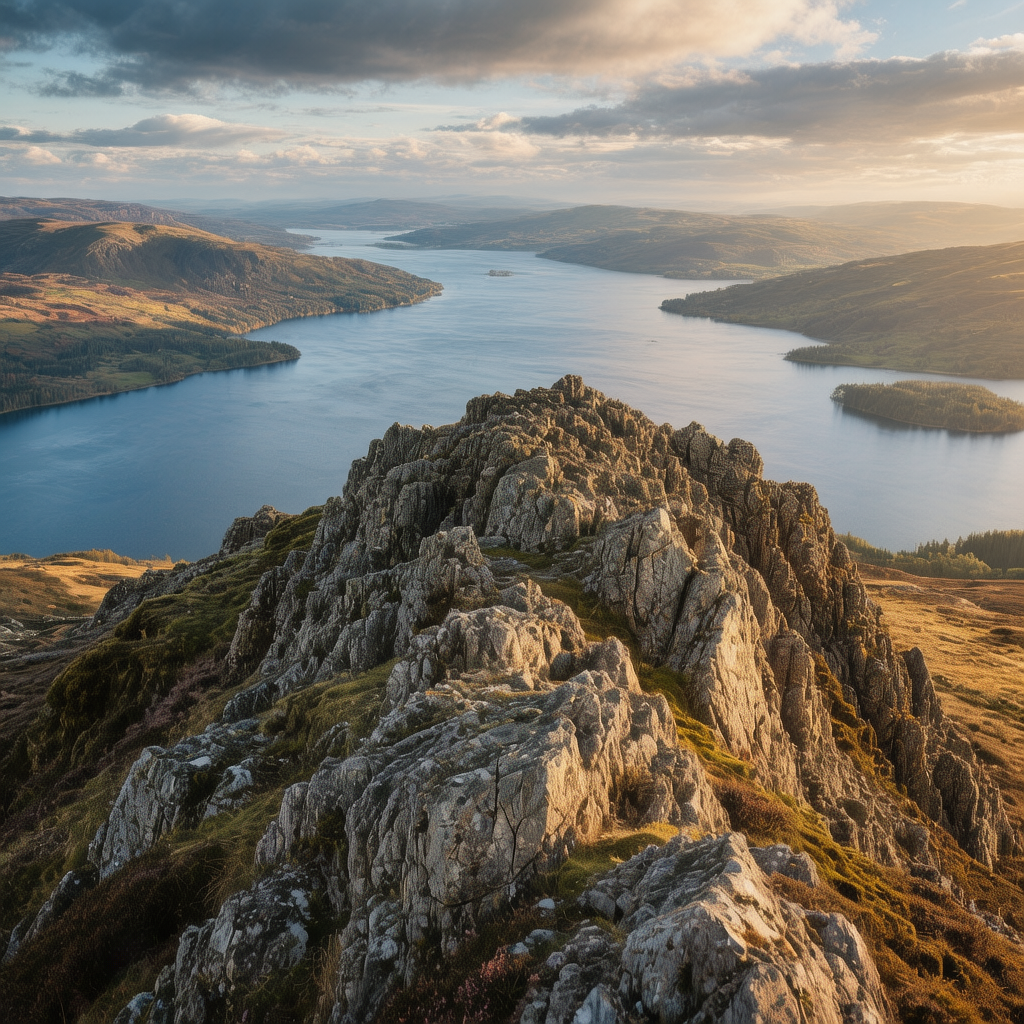
The Unforgiving Beauty
The Scottish Highlands offer some of the most breathtaking landscapes in the world, a wild tapestry of soaring peaks, deep lochs, and vast, empty glens. For hikers, the allure is irresistible. However, undertaking even seemingly simple Scottish Highlands day hikes requires a level of respect, preparation, and awareness fundamentally different from walking in many other parts of the world. This guide delves into the serious nature of Highlands hiking routes, emphasizing the critical importance of safety, planning, and sound judgment. One such route that exemplifies the beauty and challenges of this region is the Glencoe Lost Valley Trail. Before embarking on this hike, it is essential to review the glencoe lost valley trail details to understand its terrain and weather conditions. Being well-informed can make the difference between an unforgettable adventure and a perilous situation amidst the breathtaking yet unpredictable Scottish Highlands.
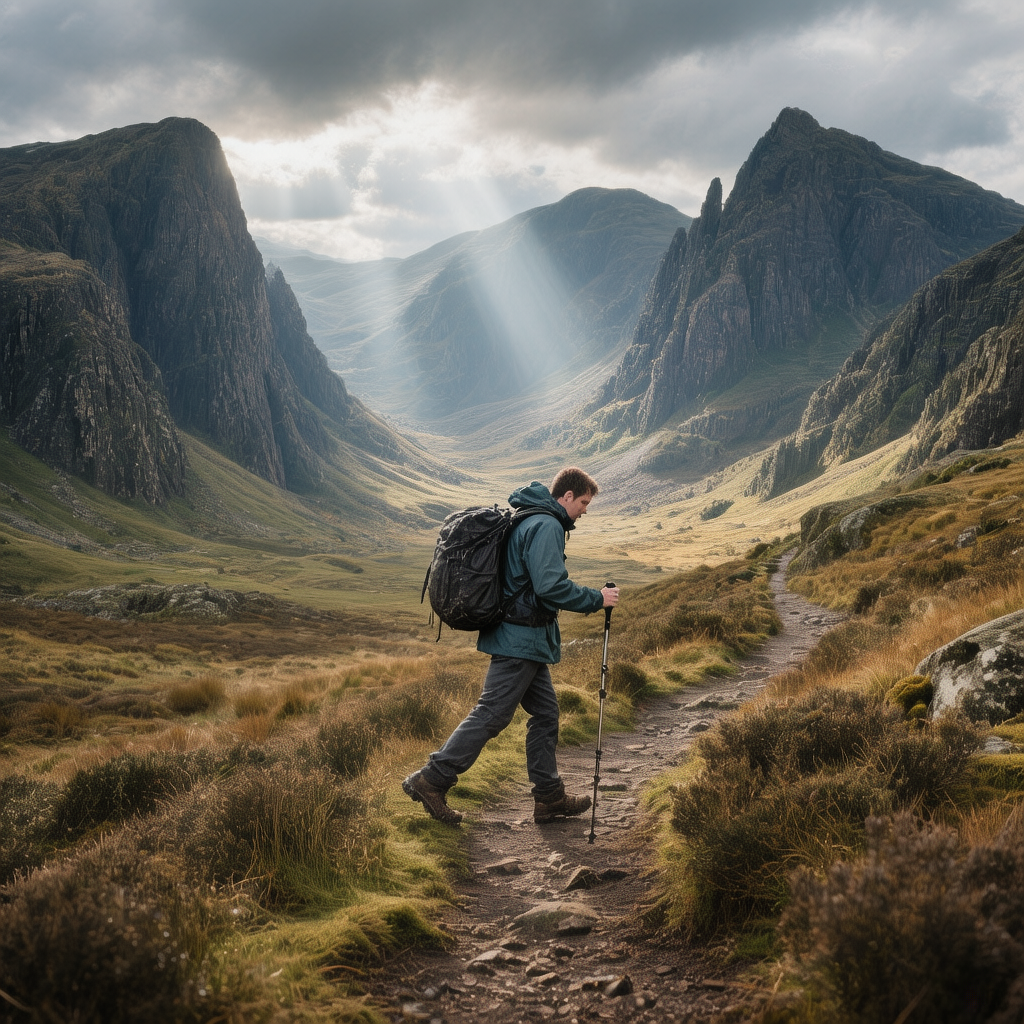
1. Why Highlands Day Hikes Are Fundamentally Different
It’s a common misconception to equate a “day hike” with an “easy walk.” In Scotland, this assumption can be dangerous. Unlike the well-manicured trails of many national parks globally, the Highlands are a genuinely wild environment. The celebrated “right to roam” means freedom, but it also means a lack of managed infrastructure. You will not find way-markers every hundred metres, emergency phones on summits, or cafes to shelter in when the weather turns. Navigating these terrains requires preparation, knowledge of the landscape, and an awareness of your own limits. For those seeking adventure, the Quiraing circuit walk overview highlights both the breathtaking scenery and the challenges to expect along the path. It’s essential to approach these hikes with respect for nature and a mindset ready for the unexpected.
The seriousness of the terrain cannot be overstated. A route labelled a “tourist path,” such as the main track up Ben Nevis, can lull people into a false sense of security. While popular, this path ascends into a serious arctic-alpine environment. The summit plateau is vast, featureless, and notorious for disorienting hikers in the thick cloud that shrouds it for over 300 days a year. A wrong turn here can lead to the treacherous Five Finger Gully. This highlights a core truth: even the most popular Highlands day walks demand respect and proper navigation skills. The consequences of a simple mistake—a twisted ankle, a navigational error—are magnified by the remoteness and the often-absent mobile phone signal. Help is not just a phone call away; it’s a full-scale mountain rescue operation that can take many hours to initiate and execute.The weather can change in an instant, turning a clear path into a navigational challenge.
2. Matching Routes to Experience Level
Choosing the right route is the single most important decision you will make. Overestimating your ability or underestimating the terrain is a classic recipe for trouble. Highlands hiking routes can be broadly categorised, but always assess the specific challenges of any planned walk against your personal and group experience. It’s also essential to prepare adequately for changing weather conditions, as the Highlands can be unpredictable. For those planning to tackle more challenging peaks, such as Ben Nevis, researching specific ben nevis summit hiking tips can greatly enhance your experience and safety. Always ensure you have the right gear and a clear understanding of your route before heading out.
- Beginner: A “beginner” walk in the Highlands is not a flat pavement stroll. It typically means a lower-level walk on a clear, well-trodden path with minimal navigational difficulty in good visibility. The beautiful Glencoe Hidden Valley walk is a perfect example. It’s relatively short and immensely rewarding, but even here, a river crossing can become impassable after heavy rain, a reminder that no walk is without its objective dangers.
- Intermediate: This category includes most of the famous “Munros” (mountains over 3,000 feet). These are strenuous Scottish mountain walks requiring a good level of fitness, the ability to be on your feet for 6-9 hours, and solid navigation skills with a map and compass. The path may be intermittent or disappear entirely. The Ben Nevis Tourist Path falls here; while the path is clear for much of the way, the upper sections require navigation and stamina, making it a serious undertaking. The question of is Ben Nevis safe for beginners is complex; the answer is only “yes” in perfect summer conditions with the right gear and knowledge.
- Experienced: These routes involve scrambling (using hands for balance), knife-edge ridges, and complex navigation in all conditions. They are for seasoned mountaineers with a head for heights and extensive experience in the Scottish mountains. Routes like the Aonach Eagach ridge in Glencoe are at the pinnacle of this category and are far beyond the scope of a typical day hiker.
Glencoe’s beauty is matched by its seriousness; routes here demand respect and preparation.
3. Weather, Remoteness and Escape Options
If there is one defining characteristic of hiking in Scotland, it is the weather. It is volatile, unpredictable, and can change from glorious sunshine to a full-blown blizzard with terrifying speed. Understanding Scottish Highlands weather safety is not optional; it is essential for survival. Wind chill is a major factor; a 5°C day at sea level can feel like -10°C on a summit with wind. Low cloud can descend in minutes, reducing visibility to a few feet and making navigation impossible without a compass.
This volatile weather combines with the region’s remoteness to create a uniquely challenging environment. Even on popular Scottish Highlands day hikes, you can be hours from the nearest road. A simple slip resulting in a sprain is not a minor inconvenience; it is a serious emergency requiring a full mountain rescue callout. You must be self-sufficient. This means carrying adequate food, water, and, crucially, the right clothing. For detailed advice, consult a guide on what to wear hiking in the Scottish Highlands. Cotton kills; you need waterproofs and warm layers, even in summer.
Always plan your escape options. Before you set off, look at your map and identify shorter, safer routes to descend if the weather deteriorates or a group member feels unwell. Having a Plan B, C, and D is a hallmark of an experienced mountaineer. The question of is Glencoe safe in bad weather has a clear answer: the high tops are not. Your plan must include a low-level alternative if the forecast is poor. Additionally, familiarize yourself with the Ben Lomond trail details to ensure you know the safest paths and potential hazards along the way. This knowledge will help you make informed decisions if circumstances change unexpectedly. Always remember that safety should be your top priority, and being prepared can make all the difference in your adventure.
4. Navigation, Daylight and Seasonal Risk
Relying solely on a smartphone for navigation is one of the most common and dangerous mistakes made by visitors. Batteries die in the cold, screens don’t work with gloves or rain, and there is often no signal. You MUST carry a physical map (such as an Ordnance Survey 1:50,000 or 1:25,000 scale) and a compass, and you must know how to use them. In a whiteout on a featureless plateau, the ability to walk on a compass bearing is the only thing that will guide you to safety.
Daylight hours vary dramatically with the seasons. In June, you may have 18 hours of light, but in December, this can shrink to less than 7. Always check sunrise and sunset times and plan your Highlands day walks with a significant time buffer. Starting early is crucial. A hike that is straightforward in summer can become a desperate race against darkness in autumn if you set off too late.
Seasonal risks add another layer of complexity:
- Spring: Can be a fantastic time to hike, but be aware of large patches of hard, icy snow (cornices) lingering on summits and in gullies from winter. An ice axe may still be required for safe passage on many Munros well into May.
- Summer: The best chance of good weather, but hypothermia is still a real risk. Be prepared for rain and wind. And do not forget the infamous Scottish midge!
- Autumn: A beautiful season with golden colours, but days shorten rapidly, and the weather becomes more unstable. The first winter snows often arrive on the tops in October.
- Winter: The Highlands in winter are a full-blown arctic environment. This is the domain of experienced winter mountaineers only. Ice axe, crampons, and the knowledge to use them are not optional—they are essential life-saving equipment. Avalanche awareness is critical.
Technology can fail. A map and compass are your most reliable tools for navigation.
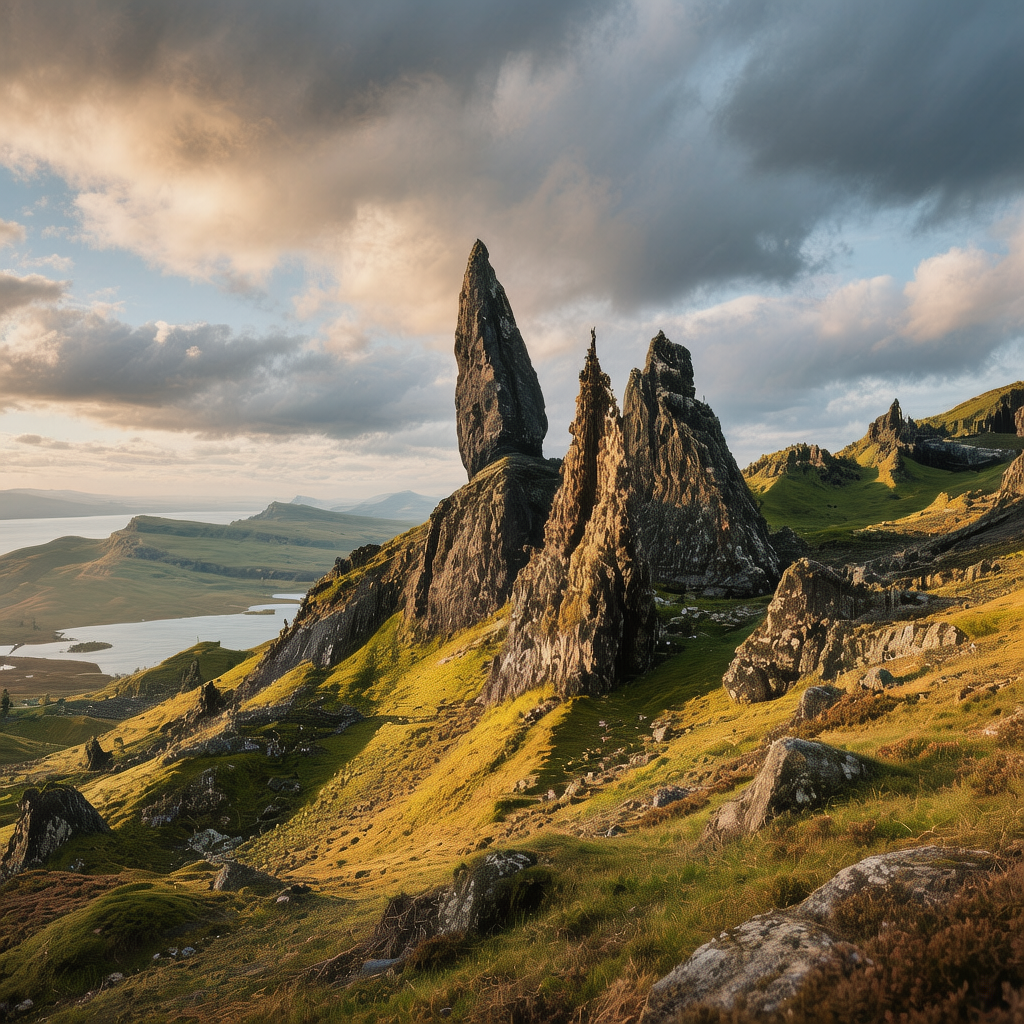
5. When to Turn Back
One of the hardest but most important skills in mountaineering is knowing when to abandon a plan. Turning back is not a sign of failure; it is a sign of excellent judgment that ensures you will be able to hike another day. The summit is only the halfway point, and you need to reserve enough energy, daylight, and morale for a safe descent.
Consider turning back if you encounter any of these red flags:
- The weather becomes significantly worse than forecast (e.g., stronger winds, heavier rain, or lower cloud).
- You are moving much slower than your planned timings. Pushing on risks being caught out by darkness.
- A member of your party is struggling, whether from fatigue, cold, or a minor injury. A group is only as fast as its slowest member.
- You become unsure of your position. Stop, try to relocate yourself on the map. If you can’t, it is safer to retrace your steps to your last known point than to push on into unknown territory.
- You reach an obstacle you are not equipped or experienced enough to handle, such as a swollen river, a steep snow slope, or an exposed scramble.
Remember the old adage: “Getting to the top is optional. Getting down is mandatory.”
6. When to Avoid Hiking Entirely
Sometimes, the wisest decision is not to go at all. The mountains aren’t going anywhere. Before any trip, check a reliable, mountain-specific weather forecast. The best resources are the Mountain Weather Information Service (MWIS) and the Met Office Mountain Forecast.
Avoid the high mountains entirely if the forecast includes:
- Storm-force winds (gusts of 60mph or more), which can make it impossible to stand.
- Prolonged “whiteout” conditions where visibility is near zero due to cloud or snow.
- A “High” or “Considerable” avalanche risk on your intended route during winter and spring. Check the Scottish Avalanche Information Service (SAIS) daily.
- Electrical storms.
Personal factors are just as important. If you don’t have the right gear for the predicted conditions, or if you simply feel unwell or “off,” listen to your instincts. There is no shame in opting for a low-level walk, visiting a historic castle, or enjoying a dram in a warm pub. These are also integral parts of the Highland experience, and they ensure you’ll be safe and ready for your next big Scottish Highlands day hike when the conditions are right. Ultimately, it’s important to remember that hiking is about enjoying the journey and the breathtaking scenery. When conditions do improve, consider tackling iconic routes like the buachaille etive mòr walking route, which offers stunning views and a rewarding challenge. Prioritizing your well-being will enhance your overall experience, making each adventure in the Highlands memorable.
The Scottish Highlands offer an unparalleled adventure for those who come prepared. By understanding the unique challenges, respecting the environment, and prioritising safety above all else, your Scottish mountain walks will be memorable for all the right reasons. Plan meticulously, pack correctly, and never be afraid to turn back. The wild beauty of the Highlands awaits the wise hiker. As you embark on your journey, consider looking up ‘old man of storr hiking tips‘ to enhance your experience and ensure you navigate the terrain safely. Remember to dress in layers, as the weather can change rapidly, and carry plenty of water to stay hydrated. Embrace the breathtaking views and the tranquility of nature, allowing each step to deepen your connection with this majestic landscape.