Hiker’s Guide
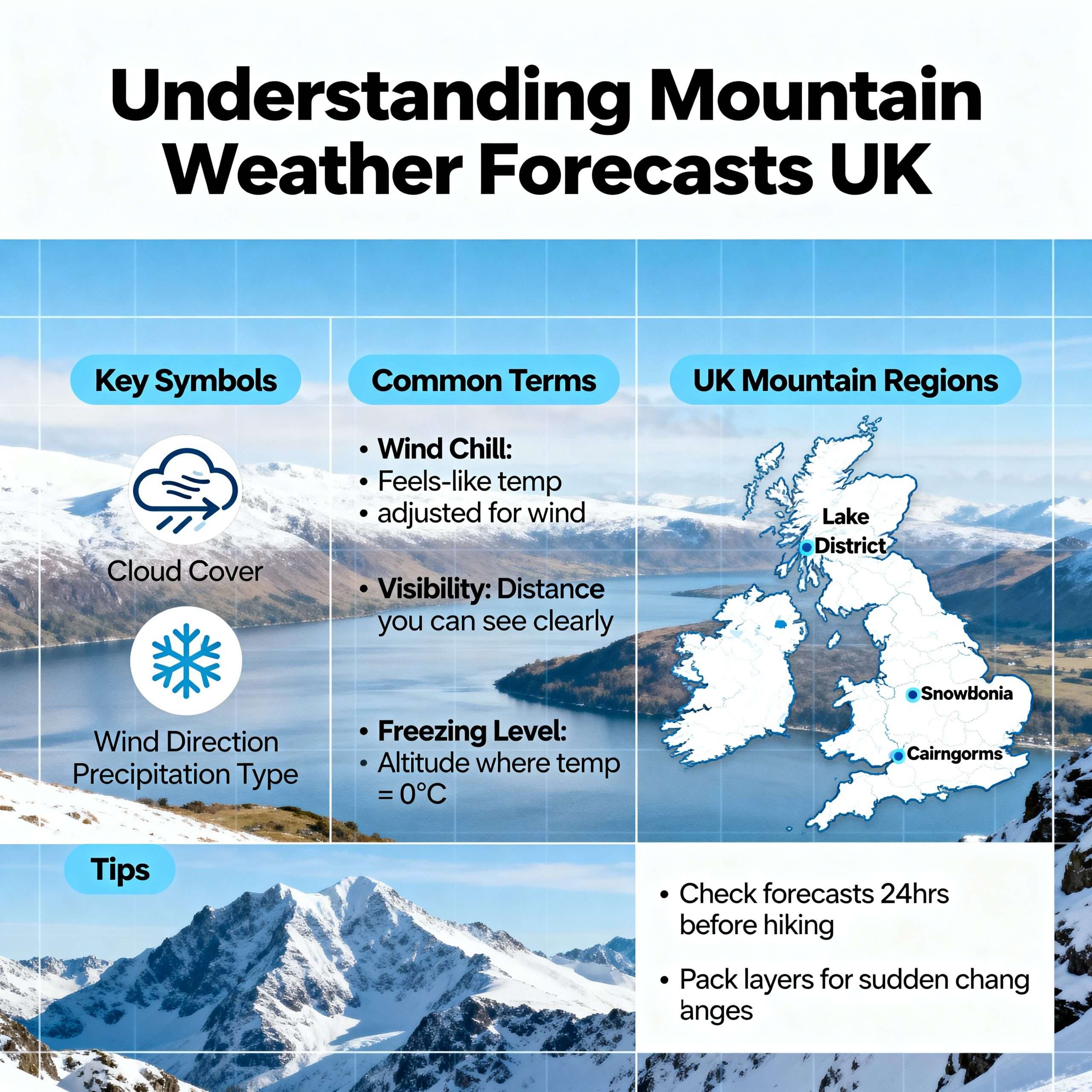
Understanding Mountain Weather Forecasts UK is a vital skill for any walker venturing into the British uplands. Because the UK is an island positioned at the meeting point of several major air masses, our weather is famously unpredictable and can change with startling speed. A common mistake among beginners is assuming that a pleasant forecast for a valley town will hold true for the summits above. In reality, the environment at 900 metres is vastly different from that at sea level, with higher winds, lower temperatures, and more frequent rainfall. Misinterpreting these conditions can lead to hikers being caught out by freezing temperatures or dangerously high winds without the correct equipment. By learning how to read specialised forecasts, you can make informed decisions that keep your walks enjoyable and safe. UK Hiking Safety & Essential Skills
Understanding Mountain Weather Forecasts UK
Understanding mountain weather forecasts UK refers to the practice of interpreting specialised meteorological data designed specifically for high-altitude environments, such as the Highlands, the Lake District, or Eryri (Snowdonia). These forecasts, provided by organisations like the Met Office, provide critical information on summit-level conditions that general lowland weather reports often overlook. It is essential for climbers and hikers to pay close attention to these forecasts, as they can greatly influence safety and decision-making in the mountains. In addition to understanding weather patterns, being prepared for potential emergencies is crucial, including knowledge of treatment options for hypothermia, which can occur rapidly in cold and wet conditions. Having the right gear and emergency plans can make a significant difference in survival during unexpected weather events.
What You’ll Learn in This Guide
- Why mountain weather is fundamentally different from lowland weather
- How to read and interpret UK mountain forecasts correctly
- Which specific forecast details matter most for hiker safety
- How to use weather data to decide when to change or cancel your plans
Why Mountain Weather Is Different in the UK
The primary reason mountain weather differs from lowland weather is altitude. As a general rule, the temperature drops by about 1°C for every 100 metres of ascent. This means that even on a mild day in the valley, a mountain summit can be near freezing. Furthermore, mountains act as physical barriers to moving air. When wind hits a mountain range, it is forced upwards, causing it to cool and condense into clouds and rain—a process known as orographic lift.
Wind speed also increases significantly as it is compressed over ridges and summits. A gentle breeze in a town can easily become a gale-force wind on a high plateau. These rapid changes are a hallmark of UK hillwalking weather, where a clear morning can transition into a stormy afternoon in less than an hour. Understanding these physical principles helps hikers respect the power of the mountain environment.
Types of Weather Forecasts UK Hikers See
Most hikers start their planning by looking at general weather apps on their phones. While these are useful for a broad overview of the day, they are typically based on lowland weather stations and “grid point” data that may not account for the specific topography of a mountain range. They often underestimate wind speeds and fail to predict the cloud base accurately.
Mountain-specific forecasts are different. They are produced by meteorologists who look specifically at the atmospheric layers affecting the summits. These forecasts provide “summit-level” data, including the probability of cloud-free hills and the “feels like” temperature, which accounts for wind chill. Relying on these specialised reports is a cornerstone of mountain weather safety UK.
Key Forecast Details Every UK Hiker Should Check
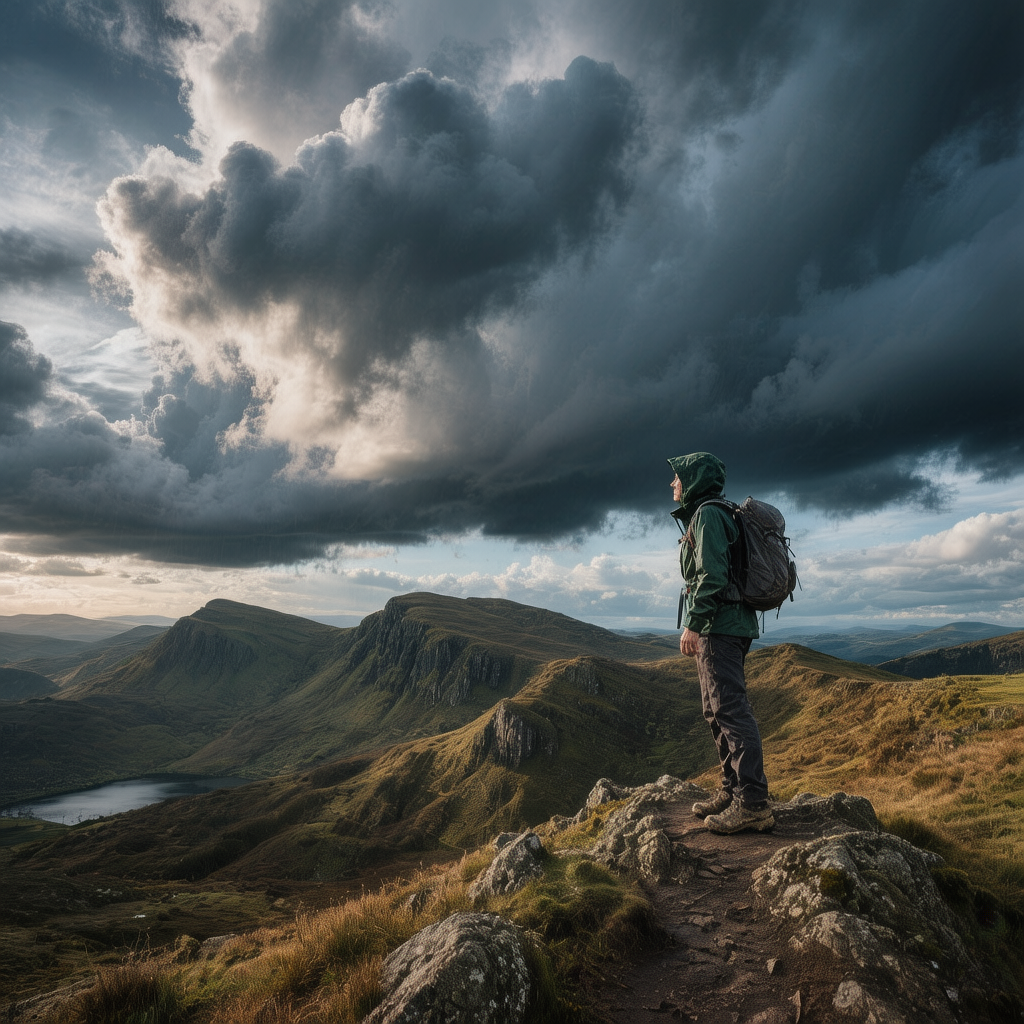
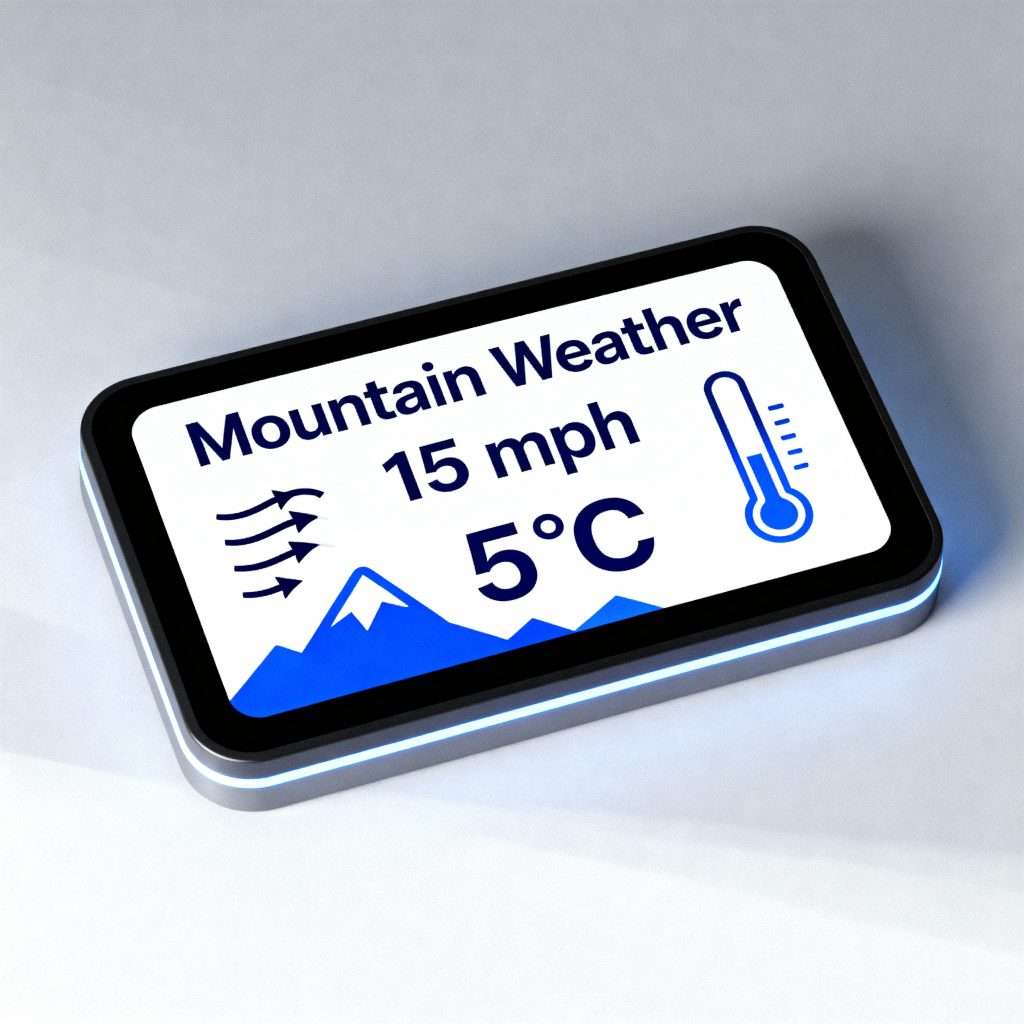
When you open a mountain forecast, several key metrics should dictate your planning. First is wind speed and gusts. Constant winds above 30mph can make walking tiring and difficult, while gusts over 50mph can physically knock a person off balance on exposed ridges. Second is visibility. Knowing the “cloud base” height tells you whether you will be walking in the mist, which significantly increases the difficulty of navigation.
Third is precipitation. In the mountains, rain is often accompanied by wind, which leads to rapid cooling of the body. Finally, check the temperature and wind chill. The “feels like” temperature is often the most important figure; a 5°C day with a 40mph wind can feel like -5°C, making hiking weather forecast UK interpretation a matter of preventing hypothermia through correct layering.
Interpreting Wind, Rain, and Visibility Together
Conditions in the mountains rarely act in isolation. A safe hiker looks at how different elements combine to increase risk. For example, light rain on its own is rarely a reason to cancel a walk, but light rain combined with 40mph winds and poor visibility creates a much more challenging environment. In these conditions, you will get wet faster, get cold quicker, and find it harder to navigate.
In many UK mountain weather forecasts, visibility is actually more critical than rain. If you are on featureless moorland or a complex plateau, losing visibility means you must rely entirely on your map and compass skills. If you are not confident in your navigation, a forecast for “poor visibility” or “cloud covering summits” should be a signal to choose a lower-level route where landmarks remain visible.
When Weather Forecasts Should Change Your Plans
One of the greatest skills a hillwalker can develop is the ability to be flexible. If the forecast shows deteriorating conditions, you have several options. You might choose to start earlier to beat an incoming front, or you might adjust your route to stay on the leeward side of the mountain, protected from the strongest winds.
In some cases, the best decision is to stay on lower ground or turn back. If you reach a ridge and find the wind is stronger than anticipated, there is no shame in heading down. Choosing a forest walk or a low-level valley circuit instead of a high summit is not a failure; it is a sign of a competent and experienced hiker who understands that the mountains will always be there for another day when the conditions are better.
Common Weather-Related Mistakes UK Hikers Make
A frequent error is relying on a forecast for the nearest town. If you are climbing a peak in the Lake District, a forecast for Ambleside will not tell you what is happening on the top of Scafell Pike. Another mistake is ignoring the “gust” speed. While the average wind speed might seem manageable, it is the sudden gusts that cause accidents on narrow paths or steep ground.
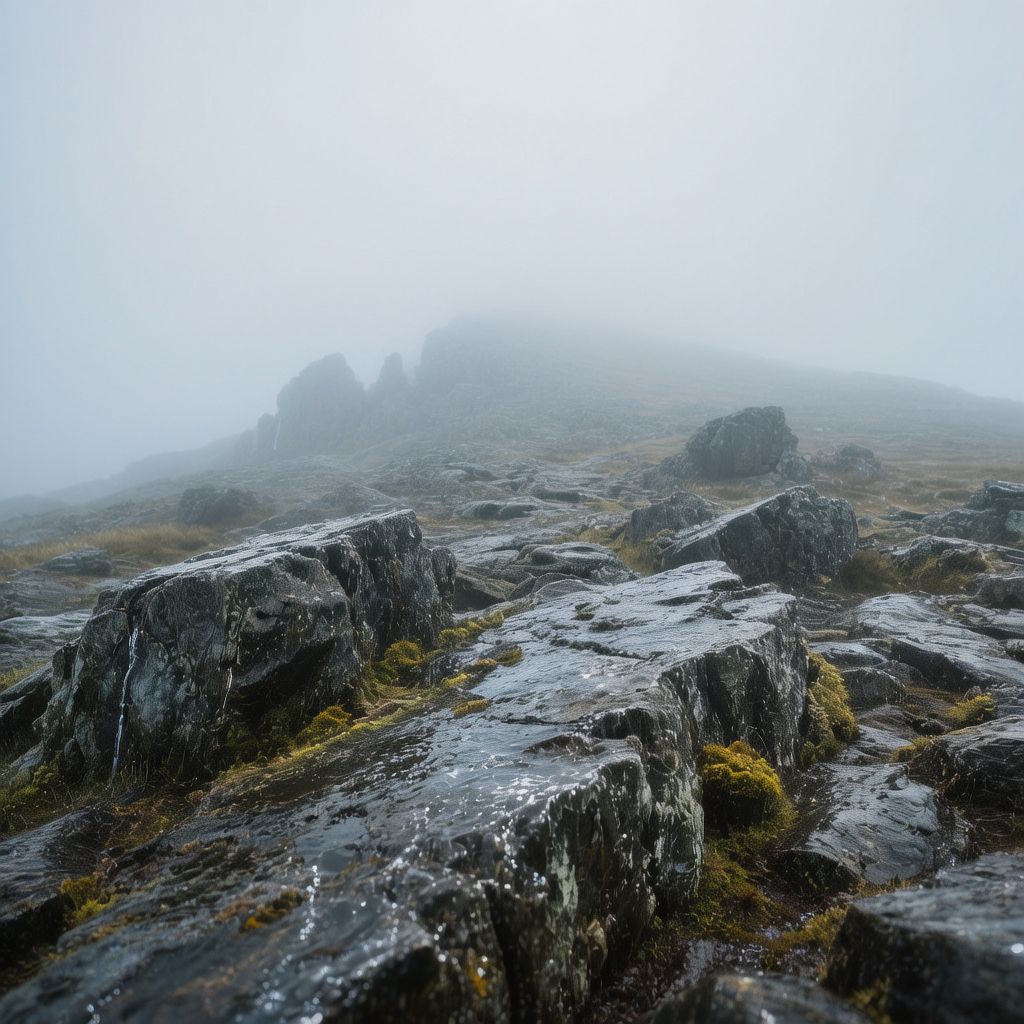
Many walkers also underestimate how quickly poor visibility can disorient them. They may assume that because they know a path well, they can find it in a “whiteout” or thick fog. Finally, some hikers treat a forecast as a guarantee. Forecasts are probabilities; always be prepared for the weather to be slightly worse than predicted, and carry the extra layers and safety gear needed to handle a change in conditions.
Frequently Asked Questions
Why is mountain weather harder to forecast in the UK?
The UK’s position between the Atlantic Ocean and the European landmass means we are subject to rapidly moving weather systems. Our mountains, though not as high as the Alps, are complex enough to create their own microclimates, making it difficult for computer models to predict exactly where clouds will form or where the heaviest rain will fall.
Are weather apps reliable for UK mountain hiking?
General weather apps are a good starting point but should not be your only source of information. They often lack the resolution to show summit-specific conditions. For UK mountain weather forecasts, always consult a dedicated mountain service that provides data for specific heights and accounts for wind chill and cloud base.
What weather conditions make Understanding Mountain Weather Forecasts UK essential for safety?
Any condition that limits visibility or increases the risk of cold is significant. Specifically, wind speeds over 40mph, heavy persistent rain, and cloud covering the tops are the most common factors that turn a standard walk into a safety challenge. Understanding these forecasts allows you to prepare or choose a safer route.
What to Learn Next
What to Do If You Get Lost While Hiking
Hiking in Fog: UK Safety Tips
Recognising and Treating Hypothermia While Hiking
Conclusion
Preparedness is the key to enjoying the UK’s spectacular uplands. By understanding mountain weather forecasts UK, you move from being a passive observer of the weather to an active decision-maker. This knowledge allows you to pack the right gear, choose the right routes, and know when it is time to head for the valley. Remember that the most successful days in the hills are those where you return safely, having enjoyed the landscape on its own terms. With a calm approach to planning and a respect for the elements, you can explore the British mountains with confidence and peace of mind. Additionally, it’s essential to equip yourself with lost hiking advice in the UK to further enhance your outdoor experience. Familiarizing yourself with navigational skills and safety protocols ensures that you won’t just be prepared for the weather but also for unexpected situations. With this comprehensive approach to preparedness, you can fully immerse yourself in the beauty of the British highlands while prioritizing your safety and well-being.
