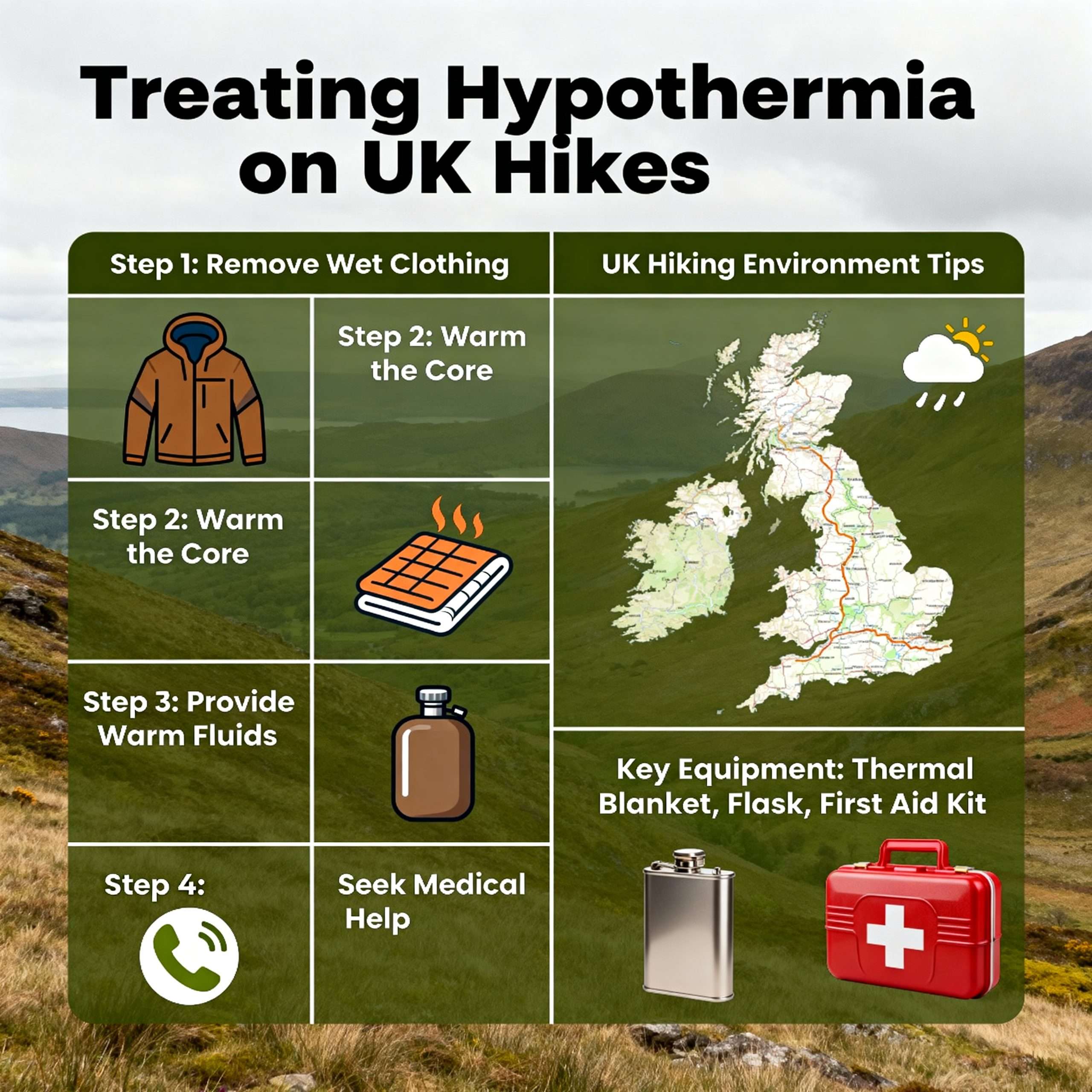
Treating Hypothermia on UK Hikes is a critical skill for anyone venturing into the British hills, where the combination of wind, rain, and dropping temperatures can lead to dangerous exposure in minutes. Even seasoned walkers can find themselves in trouble if they overlook the basics of UK Hiking Safety & Essential Skills. In the UK, the “wet cold”—temperatures just above freezing combined with high humidity and wind—is often more dangerous than sub-zero dry cold because it strips body heat away with terrifying efficiency.
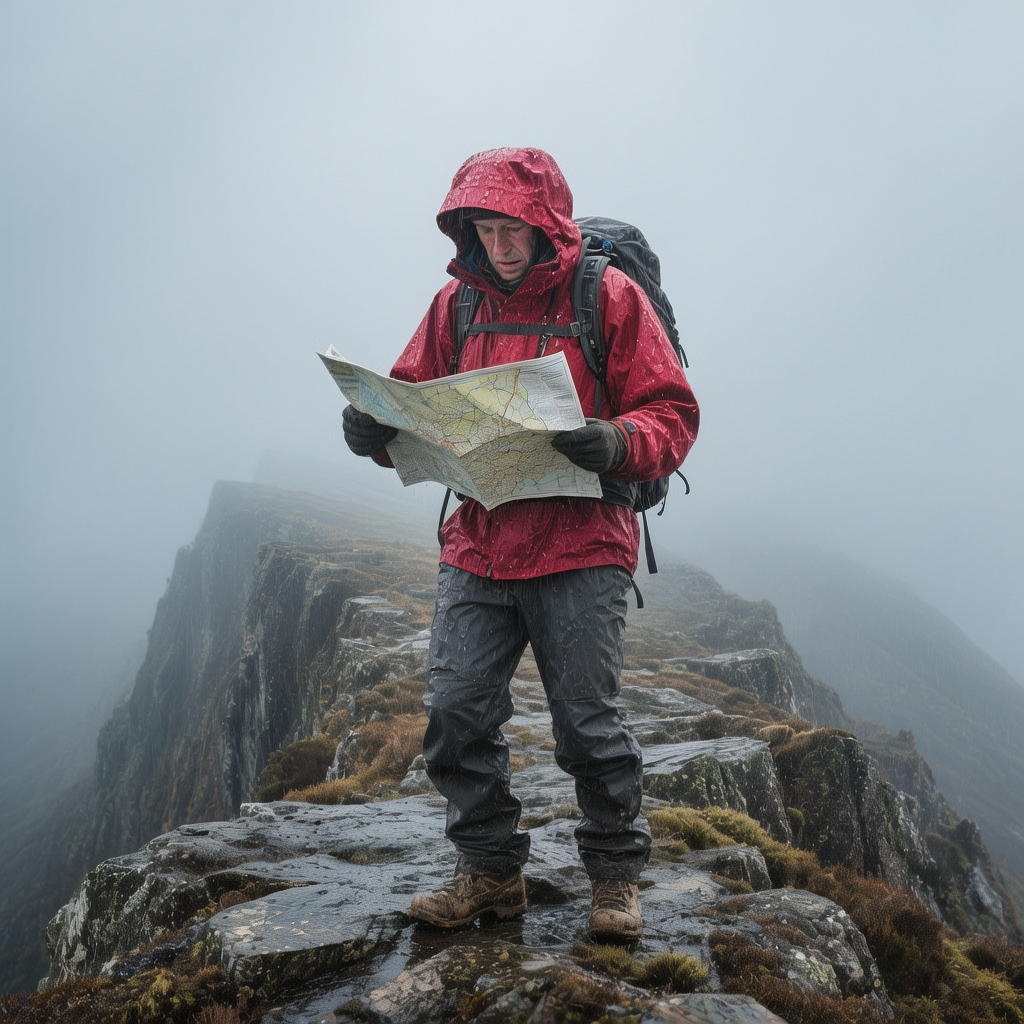
What Is Hypothermia and Why It’s a Risk on UK Hikes
Hypothermia occurs when the body’s core temperature drops below 35°C (95°F). While many associate it with arctic expeditions, the majority of cases in the British Isles occur in temperatures between 0°C and 10°C. The primary risk factor for hypothermia symptoms hiking UK trails is the “wind chill factor,” where moving air accelerates heat loss from damp skin or clothing.
UK-specific exposure risks include rapid weather shifts in areas like the Lake District or the Cairngorms. A hiker may start in sunshine but quickly become soaked by a squall. Once clothing is wet, it loses its insulating properties, and the body must work significantly harder to maintain its core temperature. If energy reserves are low due to fatigue or lack of food, the body can no longer keep up, leading to a rapid decline.
Treating Hypothermia on UK Hikes (Step-by-Step)
If you suspect a member of your party is suffering from exposure, you must act immediately. Treating Hypothermia on UK Hikes requires a calm, methodical approach to prevent the condition from worsening into a life-threatening emergency.
- Shelter immediately: Get the casualty out of the wind and rain. Use a group shelter (bothy bag), a tent, or find a natural windbreak behind a stone wall or crag.
- Insulate from the ground: Place the casualty on a rucksack, sleeping mat, or dry heather to stop heat being sucked into the cold earth.
- Remove wet clothing: If you have dry spares, carefully swap wet layers for dry ones. If no dry clothes are available, add waterproof layers over the wet ones to trap what little heat remains.
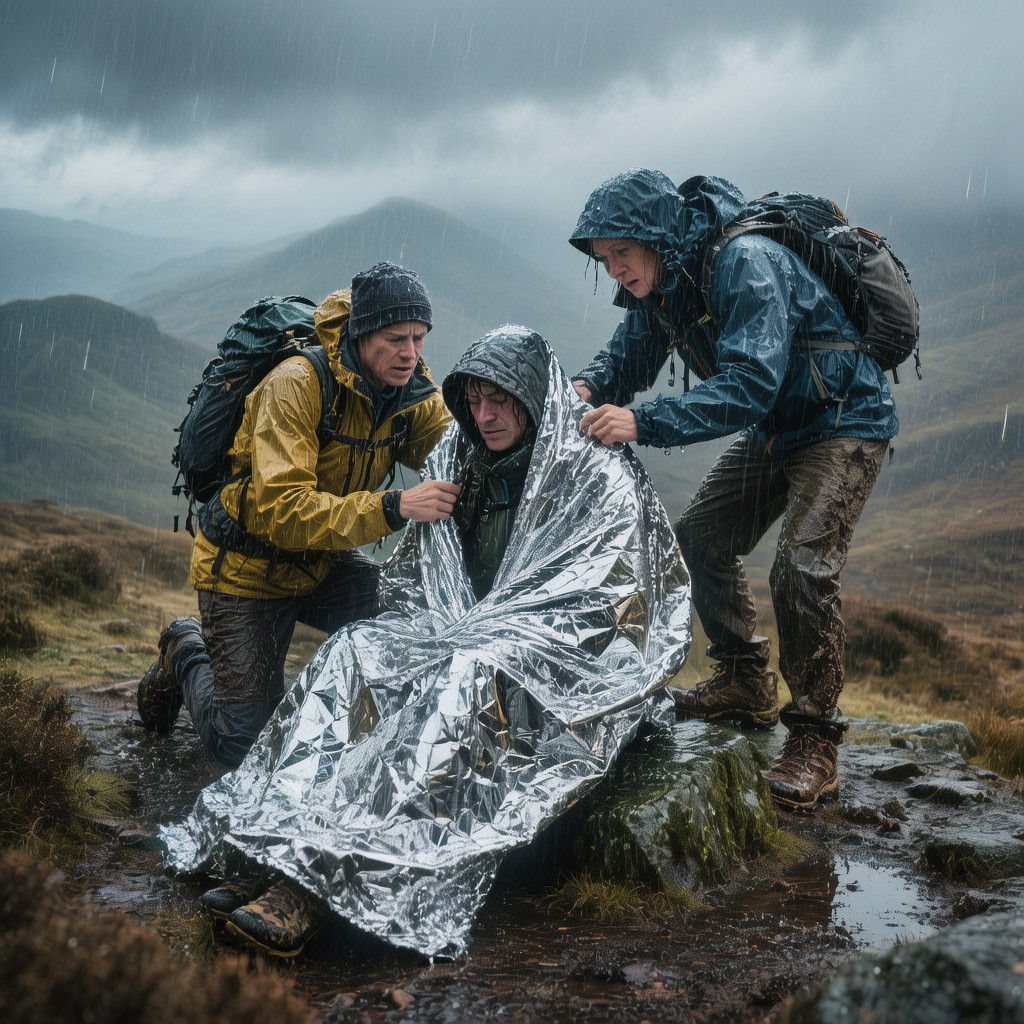
- Add external heat safely: Use a “hypo-wrap” or “burrito” method. Wrap the casualty in a sleeping bag or emergency foil blanket. If they are conscious, a warm (not hot) sugary drink can help.
- Monitor closely: Keep talking to the casualty to assess their level of consciousness.
Warnings (What NOT to do): Do not rub the casualty’s limbs to “warm them up,” as this can force cold blood from the extremities back to the core, causing a fatal “after-drop” in temperature. Never give the casualty alcohol, as it dilates blood vessels and increases heat loss. Avoid placing them in a hot bath or near a direct flame immediately; warming must be gradual.
Early Signs and Symptoms of Hypothermia While Hiking
Recognising hypothermia symptoms hiking UK peaks is the difference between a minor delay and a rescue mission. Symptoms are generally categorised into three stages:
- Mild Hypothermia: Persistent shivering, the “umbles” (stumbling, fumbling, mumbling), and pale, cold skin. The person may become withdrawn or irritable.
- Moderate Hypothermia: Violent shivering, obvious mental confusion, loss of coordination, and slurred speech. The casualty may stop caring about their safety.
- Severe Hypothermia: Shivering stops (a very dangerous sign), muscles become rigid, pulse becomes weak or irregular, and the casualty may lose consciousness.
When to Call Mountain Rescue in the UK
If a casualty reaches the moderate or severe stage, or if mild symptoms do not improve after 30 minutes of treatment, you must seek professional help. In the UK, you should dial 999 or 112 and clearly ask for the “Police” and then “Mountain Rescue.”
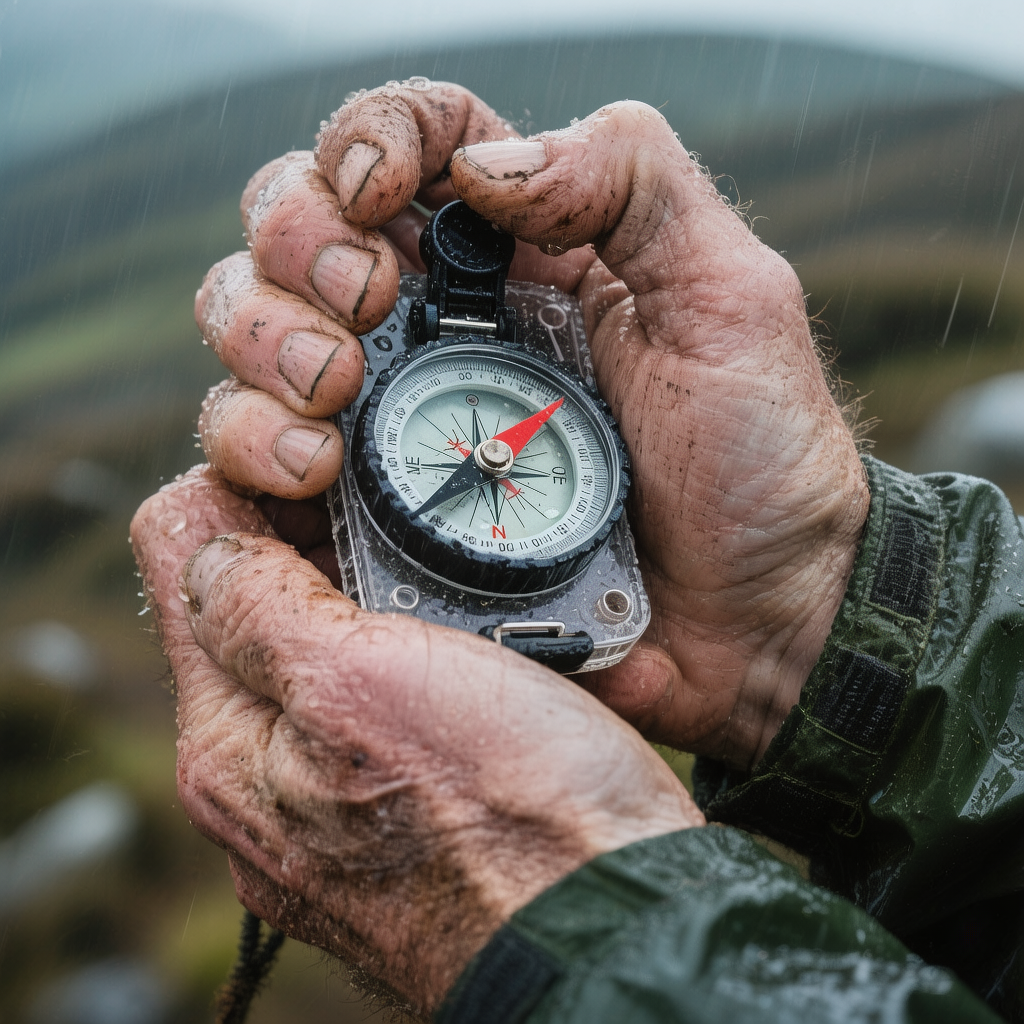
Do not hesitate to call. According to Mountain Rescue England & Wales, early intervention saves lives. If you are in a “dead zone” for mobile signal, you may need to move to higher ground or send two people to find a phone, ensuring the casualty is never left alone if possible. Often, hypothermia is triggered by navigation errors; if you find yourself in this situation, consult our guide on What to Do If You Get Lost Hiking UK to manage the situation safely while waiting for help.
Preventing Hypothermia While Hiking in the UK
Effective hypothermia prevention UK hikers rely on starts before leaving the car park. Proper winter hiking safety UK protocols involve a “layering system”: a wicking base layer, an insulating mid-layer (fleece or synthetic down), and a high-quality waterproof shell.
Nutrition is your internal furnace. Carry high-calorie snacks and eat frequently to keep your metabolism firing. Most importantly, check the Met Office mountain forecasts for wind-chill data. Understanding how the environment affects your body is vital; we recommend Understanding Mountain Weather Forecasts UK to help you decide when it is safer to stay in the valley. Always be prepared to turn back if the weather deteriorates; “summit fever” is a common precursor to hypothermia.
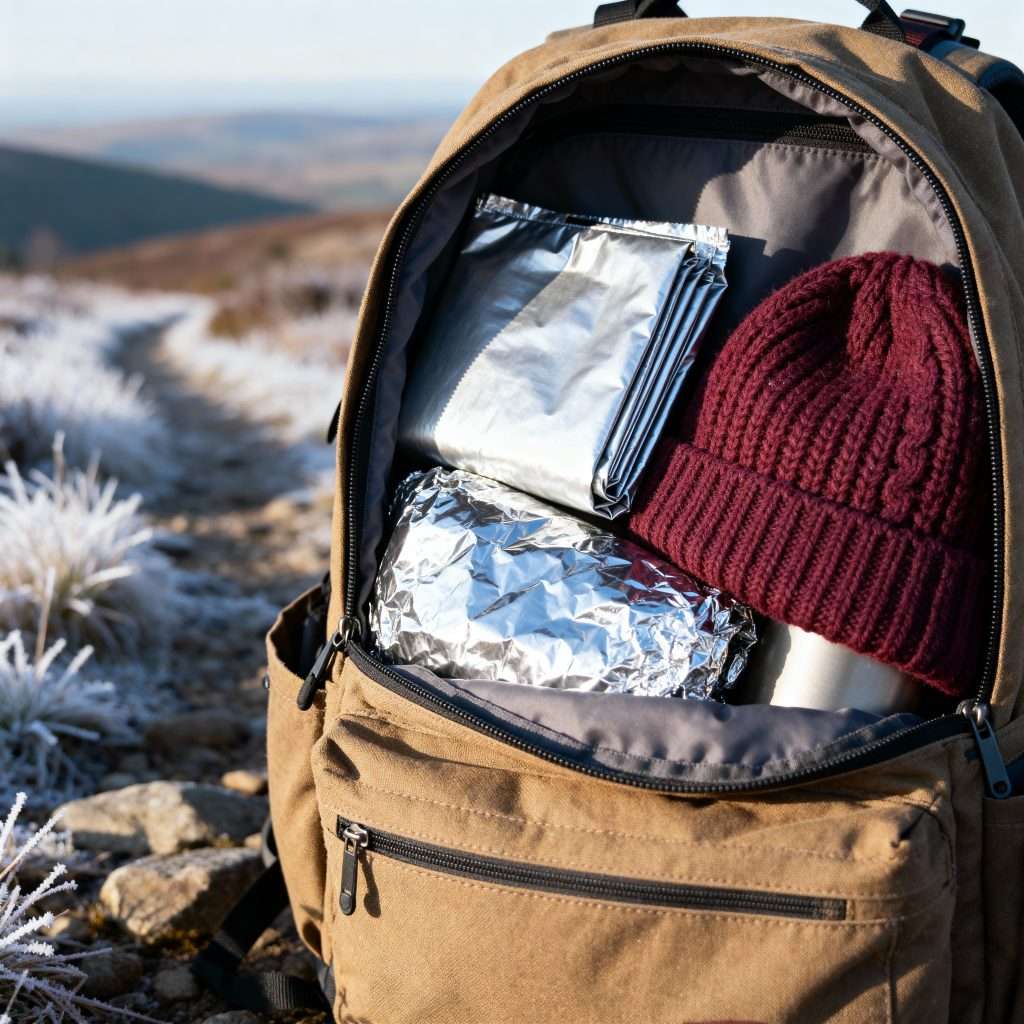
Hypothermia Safety Checklist for UK Hikers
Use this checklist to ensure you are prepared for cold weather hiking safety UK conditions before you set off.
| Category | Essential Item / Action |
|---|---|
| Emergency Gear | Group shelter (bothy bag) and foil emergency blanket. |
| Clothing | Spare warm hat, waterproof gloves, and a dry spare base layer. |
| Nutrition | High-energy “summit snacks” (chocolate, nuts) and a flask of warm tea. |
| Communication | Fully charged phone, power bank, and a whistle. |
| Planning | Check the Met Office mountain forecast for wind-chill and rain. |
Frequently Asked Questions About Hypothermia on UK Hikes
Can you get hypothermia hiking in the UK in summer?
How fast can hypothermia develop while hiking?
Should you keep someone moving if they are hypothermic?
Conclusion
Mastering the process of Treating Hypothermia on UK Hikes is about more than just first aid; it is about respect for the unpredictable British environment. By recognising early hypothermia symptoms hiking UK trails and carrying the right gear, you can prevent a cold day out from turning into a tragedy. According to NHS UK hypothermia guidance, early recognition is the most vital step in recovery. Always prioritise preparation, carry a group shelter, and never underestimate the power of the wind and rain on the fells. Stay safe, stay dry, and keep your internal furnace stoked.
