Your Ultimate Guide to Britain’s Breathtaking Trails
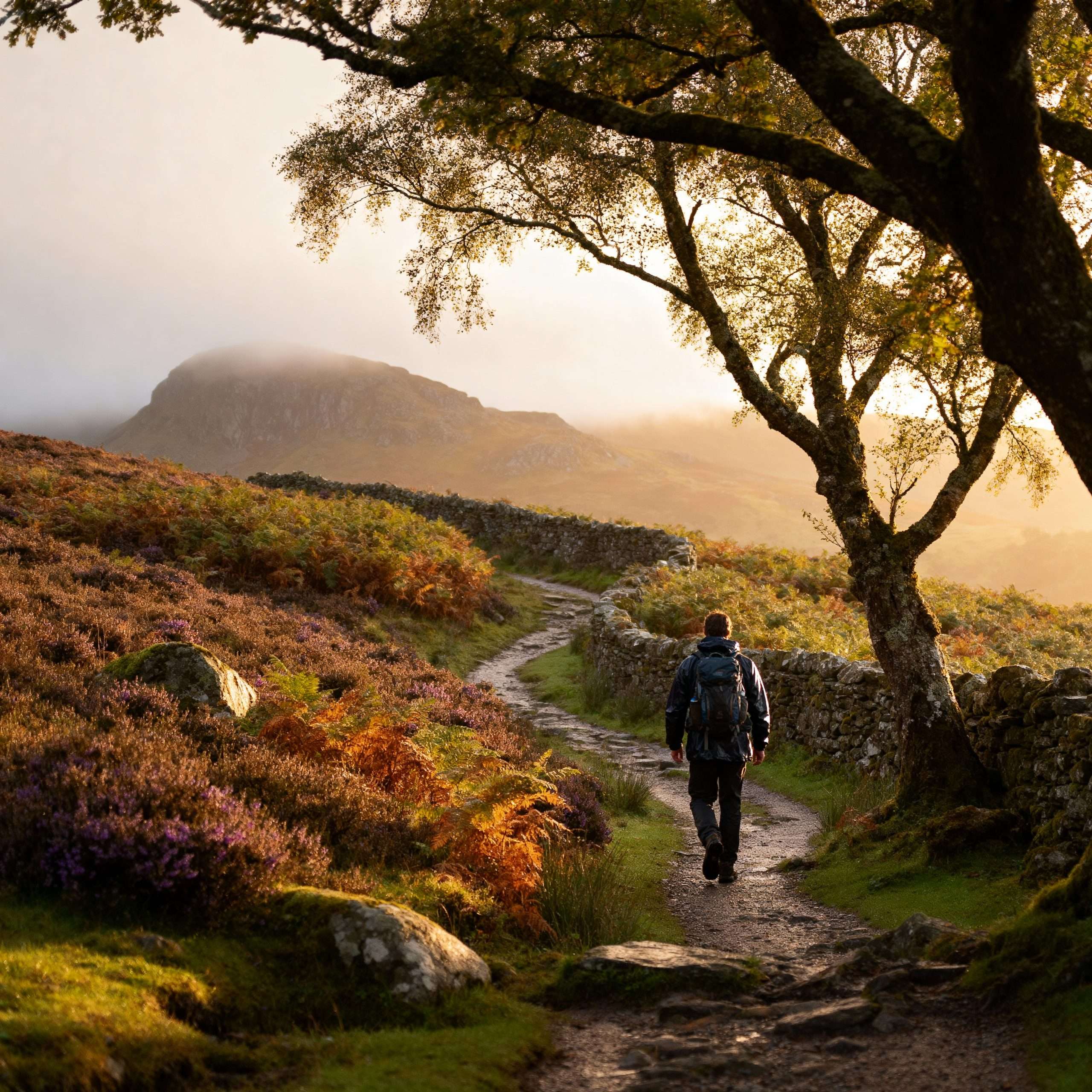
From the granite tors of Dartmoor to the snow-dusted peaks of the Cairngorms, the United Kingdom’s protected landscapes offer a world of adventure underfoot. The allure of UK National Parks hiking lies in its sheer diversity—a tapestry of ancient woodlands, dramatic coastlines, serene lochs, and rugged mountains packed into one small island nation. This is where nature, history, and culture intertwine on every path.
The UK is home to 15 spectacular National Parks: ten in England, three in Wales, and two in Scotland. Each is a living, breathing landscape, protected for its unique beauty and ecological importance, yet open for all to explore. This guide is your essential companion, designed to inspire and equip you for unforgettable hiking experiences, whether you’re planning a gentle family stroll or a challenging multi-day trek through Britain’s wild heart.
Discover the Magic: Why Choose UK National Parks for Hiking?
With countless trails crisscrossing the country, what makes hiking in the National Parks a truly special experience? It’s a combination of protected beauty, accessibility, and a deep connection to the land.
- Unparalleled Natural Beauty: The parks safeguard Britain’s most stunning landscapes. You can walk along the towering chalk cliffs of the South Downs, navigate the vast, desolate moorlands of the Pennine Way, or stand in awe of the glacial valleys in Snowdonia.
- Conservation in Action: These areas are hubs of conservation, protecting fragile ecosystems and precious wildlife. By visiting, you support the vital work that keeps these places wild and beautiful for future generations.
- Accessibility for All: Whether you’re an elite mountaineer or a family with young children, there’s a trail for you. From wheelchair-accessible paths like Tarn Hows in the Lake District to severe scrambles like Crib Goch, the parks cater to every ability.
- Rich Cultural Heritage: Hike past ancient stone circles, Roman walls, and abandoned mine workings. The trails of the UK’s National Parks are steeped in history, telling the story of the people who have lived and worked in these landscapes for millennia.
- A Sense of Escape: In a bustling world, the parks offer a profound sense of peace and rejuvenation. The simple act of putting one foot in front of the other, surrounded by nature, is a powerful antidote to modern stress.
Planning Your UK National Parks Hiking Adventure: Essential Steps
A successful hike begins long before you reach the trailhead. Proper planning is not just about convenience; it’s a crucial aspect of safety and enjoyment. Here’s how to prepare for your outdoor adventure UK.
Choosing Your Park & Trail
With 15 parks to choose from, the first step is narrowing down your options. Consider your fitness level, available time, and desired scenery. Are you craving the epic scale of high mountains, the gentle tranquility of lowland broads, or the dramatic vistas of a coastal path?
- Mountainous Parks: For those seeking challenging peaks and dramatic ridges, head to Snowdonia, the Lake District, the Cairngorms, or Loch Lomond & The Trossachs.
- Moorland & Upland Parks: For vast, open spaces and rolling hills, explore the Peak District, Yorkshire Dales, Northumberland, Dartmoor, or Exmoor.
- Coastal & Lowland Parks: For gentler walks, coastal paths, and unique waterways, consider the Pembrokeshire Coast, South Downs, New Forest, or The Broads.
Image 2 Suggestion
File Name: family-hiking-trail-uk-national-park.jpg
Alt Text: A happy family enjoying a walk on a clear, well-defined trail, illustrating family-friendly hikes in a UK National Park.
Best Time to Visit & Weather Considerations
The UK’s weather is famously unpredictable, and this is amplified in mountainous regions. Each season offers a different experience.
- Spring (April-May): Often offers a sweet spot with fewer crowds, blooming wildflowers, and clearer days. However, weather can be volatile, and snow may linger on high peaks.
- Summer (June-August): The warmest months with the longest daylight hours, perfect for big mountain days. Be prepared for peak crowds, higher prices, and the infamous Scottish midges.
- Autumn (September-October): A hiker’s favourite. The landscape is ablaze with colour, the air is crisp, and the summer crowds have departed. Daylight hours shorten, and the weather becomes wetter.
- Winter (December-February): A magical time for experienced and properly equipped mountaineers. Short days, snow, and ice make high-level routes a serious undertaking requiring specialist skills.
Crucial Tip: Always check the specific mountain weather forecast before you go. A summit can be 10°C colder than the valley with severe wind chill. The Met Office provides dedicated forecasts for most National Parks.
Essential Gear for UK National Parks Hiking
Packing the right hiking gear UK is non-negotiable for both safety and comfort. The mantra is “layers,” and “waterproof” is the most important word in your vocabulary.
- Layered Clothing: Avoid cotton at all costs. Opt for a moisture-wicking base layer, a warm fleece or insulated mid-layer, and a fully waterproof and windproof outer shell jacket and trousers.
- Sturdy Hiking Boots: The terrain in most parks is rocky, uneven, and often boggy. Invest in waterproof boots with good ankle support and make sure they are well broken-in before a long hike.
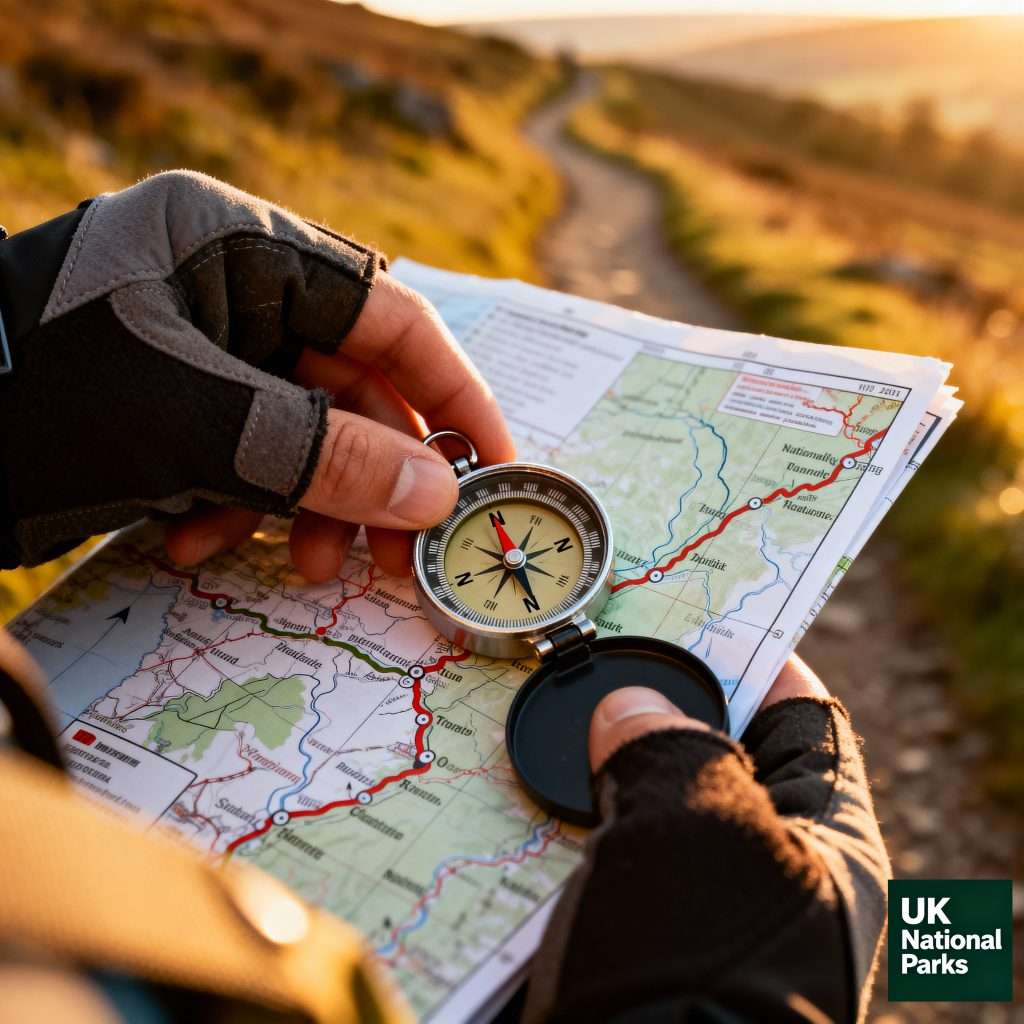
- Navigation Tools: While many trails are well-marked, you should never rely solely on signposts. Carry a physical map (like the detailed Ordnance Survey maps) and a compass, and know how to use them. A GPS device or a phone app with offline maps is an excellent backup, but always carry a power bank.
- Safety Equipment: A basic first-aid kit (with blister plasters!), a head torch with spare batteries, a whistle for emergencies (six blasts for help), and a foil survival bag are lightweight essentials that could save your life.
- Food & Water: Carry more than you think you’ll need. High-energy snacks and at least 2 litres of water are crucial. Delays are common, and you don’t want to be caught out.
A Closer Look: Iconic UK National Parks for Hiking
Each park has a unique character. Here’s a snapshot of some of the most popular destinations for a UK National Parks hiking trip.
The Lake District: England’s Mountainous Heart
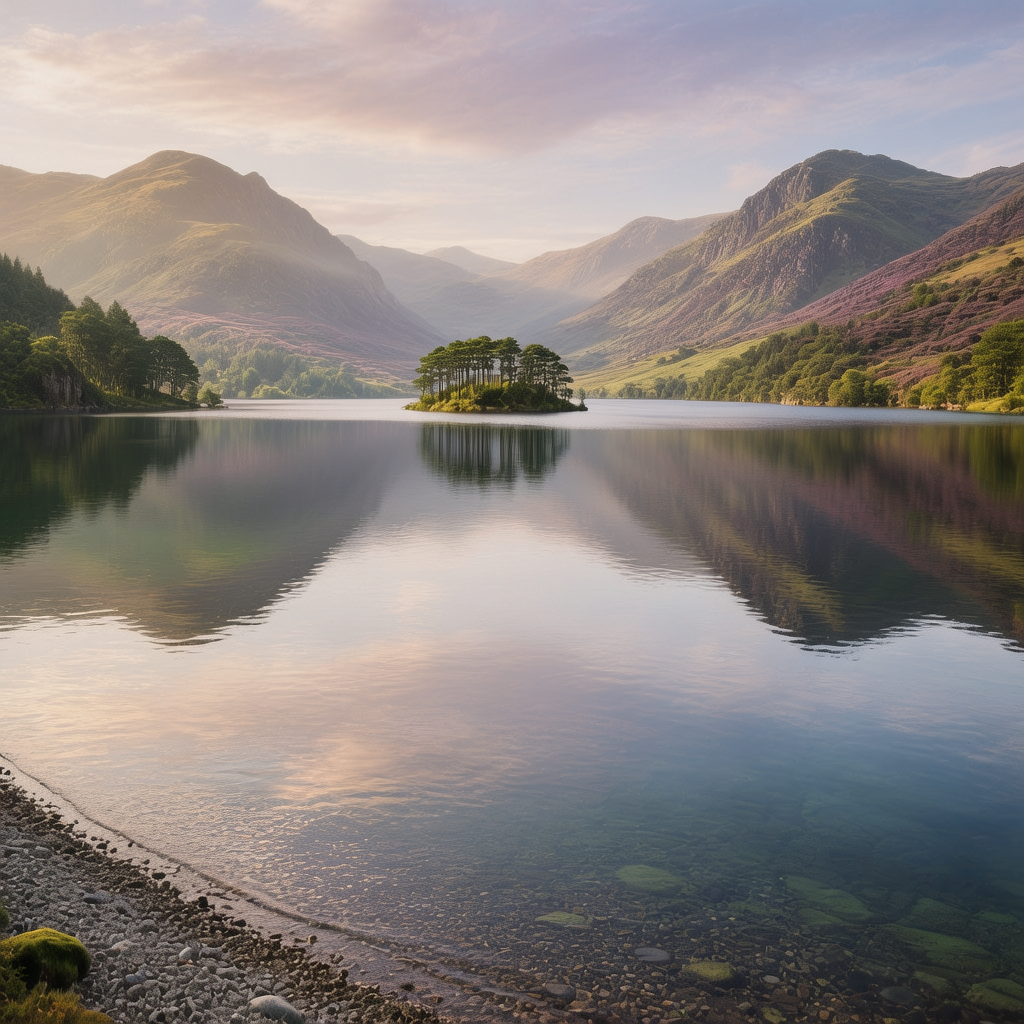
A UNESCO World Heritage Site, the Lake District is defined by its rugged fells, deep glacial lakes, and charming stone-built villages. It’s the birthplace of British mountaineering and offers some of the country’s most beloved mountain routes, from the family-friendly Catbells to the formidable knife-edge ridge of Helvellyn’s Striding Edge and the challenge of Scafell Pike, England’s highest peak. For a deep dive into planning your adventure in this magnificent region, be sure to consult our detailed Lake District Hiking Guide 2025.
Snowdonia: Welsh Peaks and Dramatic Landscapes
Snowdonia (Eryri) is a land of myth and legend, a heartland of Welsh culture dominated by raw, rugged mountains. It’s home to all 15 of Wales’ 3,000ft peaks, including the iconic Snowdon (Yr Wyddfa) and the classic scrambling peak of Tryfan. The park’s landscape is a dramatic mix of jagged peaks, vast valleys, and historic slate quarries. If Wales’ highest peaks call to you, our Snowdonia Hiking Guide 2025 provides all the necessary information to conquer its challenging routes.Image 4 Suggestion
File Name: snowdon-summit-wales-hiking.jpg
Alt Text: The iconic summit of Snowdon in Snowdonia National Park, a prime destination for UK National Parks hiking.
The Peak District: Rolling Hills and Gritstone Edges
As Britain’s first National Park, the Peak District holds a special place in the nation’s heart. It’s a park of two halves: the wild, heather-clad moorlands and gritstone escarpments of the ‘Dark Peak’ in the north, and the rolling green hills and limestone dales of the ‘White Peak’ in the south. Popular walks include the ascent of Mam Tor and the challenging Kinder Scout plateau, the site of the 1932 Mass Trespass that helped secure access rights for walkers across the country.
Scottish National Parks: Cairngorms & Loch Lomond & The Trossachs
Scotland’s two National Parks are vast and wild. Loch Lomond & The Trossachs serves as the gateway to the Highlands, with the famous loch at its heart, surrounded by accessible mountains like Ben Lomond. The Cairngorms is the UK’s largest National Park, a huge arctic-like plateau home to five of the UK’s six highest mountains and unique wildlife, including golden eagles and reindeer. Hiking here offers a true sense of wilderness. While focused on the National Parks, the broader region offers immense opportunities, expertly covered in our Scottish Highlands Hiking Guide.
Other Notable National Parks for Hiking
Don’t overlook the other gems! Hike a section of Hadrian’s Wall in Northumberland National Park, climb Pen y Fan in the Brecon Beacons, or walk the stunning coastal path in Pembrokeshire. The South Downs Way offers 100 miles of rolling chalk hills with incredible sea views, showcasing the gentler side of scenic walks UK.
Long-Distance Trails & Challenging Feats in UK National Parks
For those who want to immerse themselves fully, the UK’s National Parks are home to some of the world’s best long-distance paths. These multi-day treks offer a profound connection to the landscape.
For those seeking epic, multi-day journeys, the West Highland Way Guide 2025 offers an unforgettable experience through stunning Scottish landscapes, much of it within the Loch Lomond & The Trossachs National Park. This 96-mile trail is a perfect introduction to thru-hiking.
Stretching through multiple National Parks in northern England, the formidable Pennine Way Guide 2025 is another iconic challenge for seasoned hikers. Known as the “backbone of England,” this 268-mile route traverses the Peak District, Yorkshire Dales, and Northumberland National Park.
For the ultimate test of endurance, many hikers set their sights on the Three Peaks Challenge UK, which includes the highest peaks in Scotland, England, and Wales, often touching upon or near designated National Park areas. It’s a demanding but hugely rewarding feat.Image 6 Suggestion
File Name: mountain-scrambling-uk-national-parks.jpg
Alt Text: A hiker scrambling on a challenging mountain path, representing the adventurous side of UK National Parks hiking.
Responsible UK National Parks Hiking: Leave No Trace
The beauty of our National Parks depends on all of us. Practicing responsible hiking ensures these landscapes remain pristine for wildlife and future visitors. The core principle is simple: Leave No Trace. This is often summarized in the UK by the Countryside Code.
- Plan Ahead & Prepare: Know your route, your limits, and the weather forecast. Proper planning prevents emergencies.
- Travel & Camp on Durable Surfaces: Stick to existing paths to prevent erosion. If wild camping, choose a resilient spot away from water sources.
- Dispose of Waste Properly: Pack it in, pack it out. This includes everything, even biodegradable items like banana peels.
- Leave What You Find: Let others enjoy the beauty of natural objects and cultural artifacts. Don’t build structures or move rocks.
- Minimize Campfire Impacts: Wildfires are a serious risk. Use a stove for cooking. Campfires are often banned in National Parks.
- Respect Wildlife & Livestock: Observe from a distance. Never feed animals. Keep dogs under close control or on a lead, especially around sheep.
- Be Considerate of Other Visitors: Keep noise to a minimum and yield to others on the trail. A friendly “hello” goes a long way.
Safety on the Trails: Important Considerations
Adventure and risk go hand-in-hand, but being prepared can mitigate most dangers. Safety on trails is your number one priority.
- Tell Someone Your Plans: Leave a detailed route plan and your expected return time with a reliable person.
- Carry a Fully Charged Phone: But do not rely on it. Signal is patchy at best in many park areas. It’s for emergencies, not primary navigation.
- Know Your Limits: Be honest about your fitness and experience. The mountains will be there another day. Don’t be afraid to turn back.
- Be Prepared for Rapid Weather Changes: A sunny morning can become a stormy afternoon in minutes. Always carry your waterproofs and extra warm layers.
- Recognize Key Dangers: Understand the signs of hypothermia (shivering, confusion, exhaustion) and heatstroke. Know how to react.
- In an Emergency: If you are lost or injured and need help, dial 999 or 112, ask for Police, then Mountain Rescue. Give them your precise location (a grid reference is best).
Frequently Asked Questions (FAQs) about UK National Parks Hiking
How many National Parks are in the UK?
There are 15 National Parks in the United Kingdom: 10 in England, 3 in Wales, and 2 in Scotland. You can find information on all of them on the official National Parks UK website.
Are dogs allowed in National Parks?
Generally, yes. Dogs are welcome in most National Parks, but there are important rules. They must be kept under close control at all times and on a lead around livestock (like sheep and cattle) and during bird nesting seasons on moorland. Some specific areas of open access land may have restrictions, so always check local signage.
Is wild camping permitted?
This is a complex issue. In Scotland (including the Cairngorms and Loch Lomond parks), wild camping is broadly legal under the Scottish Outdoor Access Code, provided it’s done responsibly. In England and Wales, there is no legal right to wild camp without the landowner’s permission. However, it is sometimes tolerated in remote, high-level areas of parks like the Lake District and Snowdonia if you follow strict “leave no trace” principles (pitch late, leave early, small group, no fires). Always check the specific park’s policy.
What’s the hardest National Park to hike in?
This is subjective, but for pure mountaineering challenge, the Cairngorms and Snowdonia are often cited as the toughest. The Cairngorms for its vast, remote, and arctic-like plateau, and Snowdonia for its concentration of rugged, rocky, and technical scrambling routes. The Lake District also presents significant challenges with its steep fells.
Do I need to pay to enter National Parks?
No, there are no entrance fees to enter any of the UK’s 15 National Parks. They are open for everyone to enjoy. However, you will likely need to pay for parking at popular trailheads, and of course for accommodation and other services. These fees help maintain the facilities that make visiting possible.
Conclusion
The unparalleled experiences offered by UK National Parks hiking are a call to adventure for everyone. From the gentle, rolling hills of the South Downs to the formidable peaks of the Scottish Highlands, these protected landscapes are Britain’s greatest natural treasure. They offer a lifetime of exploration, challenge, and tranquility.
By preparing thoroughly, packing correctly, and embracing a spirit of responsible enjoyment, you can safely unlock the magic of these wild places. Respect the mountains, understand the weather, and follow the Countryside Code. Your next unforgettable adventure is waiting on a trail in a UK National Park.
So, lace up your boots, check your map, and step outside. The fells, moors, and coasts are calling.
