
Laws, Spots & Essential Tips
1. Introduction: The Call of the Wild
Imagine unzipping your tent not to the sound of traffic, but to the gentle lapping of a remote loch. Picture waking up as the sun crests over a mountain ridge, painting the valley in hues of gold and pink, with no other soul in sight. This is the magic of wild camping UK, an experience that strips away the noise of modern life and reconnects you with the raw, untamed beauty of nature. It’s about freedom, solitude, and the profound satisfaction of being self-sufficient in a spectacular landscape. The unparalleled reward of a wild camp: a sunrise all to yourself.
Unlike campsite camping, which offers designated pitches and facilities, wild camping UK is the practice of setting up a temporary, lightweight camp in a wild, remote area. It’s about carrying everything you need on your back and, crucially, leaving no trace of your visit. This pursuit is particularly special in the UK, a collection of islands with a surprisingly diverse and dramatic landscape. From the vast, empty glens of the Scottish Highlands to the rugged tors of Dartmoor, the UK offers a lifetime of wild camping adventures.
However, the freedom of wild camping comes with significant responsibilities. The legal status varies dramatically across the four nations. While Scotland embraces it under its ‘right to roam’ laws, it is technically illegal in England, Wales, and Northern Ireland without explicit landowner permission. This guide is designed to be your definitive resource for 2025, demystifying the laws, highlighting the best spots, and equipping you with the knowledge to camp safely, responsibly, and respectfully. As a seasoned backpacker with over a decade of experience wild camping across the UK, I’ll share the practical advice you need to plan your first, or your fiftieth, wild adventure.
2. Wild Camping Laws UK: A Nation-by-Nation Breakdown
In summary, wild camping UK is a unique way to explore the beauty of the British landscape and experience nature like never before. From the rugged peaks of Scotland to the rolling hills of Wales, wild camping allows adventurers to immerse themselves in stunning scenery. Additionally, many UK national parks hiking trails offer unparalleled access to remote locations, making it easy to set up camp after a rewarding day of exploration. Embracing this experience fosters a deeper connection with nature and promotes a sense of tranquility that is hard to replicate elsewhere.
Understanding the legal landscape is the first and most crucial step in planning a wild camping trip in the UK. The rules are not uniform and failing to respect them can lead to conflict and damage the reputation of all outdoor enthusiasts. Here’s what you need to know for each nation.The legal status of wild camping varies significantly across the UK.
2.1 Scotland
Scotland is the gold standard for wild campers in the UK. The right to wild camp is enshrined in law through the Land Reform (Scotland) Act 2003, which established the Scottish Outdoor Access Code. This code grants the public access rights to most land and inland water for recreation, including camping.
Where you CAN camp: You can camp on most unenclosed land, including hills, moors, forests, and beside lochs and rivers. The key is to be responsible and follow the code.
Where you CANNOT camp: The rights do not extend everywhere. You must not camp in enclosed fields with crops or farm animals, in private gardens, on golf courses, near historic sites, or close to buildings, roads, or other public infrastructure. Common sense is your best guide.
Loch Lomond & The Trossachs National Park
Due to overuse and antisocial behaviour in the past, specific byelaws are in place. From March 1st to September 30th each year, camping is restricted to designated permit areas or official campsites within defined Camping Management Zones. These zones cover popular areas like the east side of Loch Lomond. Always check the park’s official website before planning a trip here.
Crucially, the right to camp is tied to the responsibility to do so without causing harm. The Leave No Trace principles are not just good advice in Scotland; they are a core part of the legal framework. This means packing out all waste, avoiding fires, and being considerate of wildlife and other people.
2.2 England & Wales
In stark contrast to Scotland, there is no general legal right to wild camp in England and Wales. All land is owned by someone, and technically, you need the landowner’s permission to camp on it. Camping without permission constitutes civil trespass.
While this sounds prohibitive, the reality on the ground can be more nuanced. In many upland areas, such as the Lake District and Snowdonia, discreet “high camping” (above the highest farm wall, away from roads and buildings) is often tolerated, provided campers follow a strict code: arrive late, leave early, and leave no trace. This is a form of permissive access, not a right, and it relies on the goodwill of landowners.
The Dartmoor Situation
For decades, Dartmoor National Park was the only place in England where wild camping was considered a legal right under local bylaws. However, a 2023 court case brought by a landowner successfully challenged this, ruling that the right was only for recreation, not for camping. While a subsequent appeal partially restored some rights, the legal situation remains uncertain and more complex than before. The current advice is to check the Dartmoor National Park Authority website for the latest guidance and consider seeking permission from the relevant commons associations.
It’s important to understand the difference between civil trespass (which is what wild camping without permission is) and criminal trespass. The former is a civil matter, and a landowner’s primary remedy is to ask you to leave. If you refuse, you could be sued. Aggravated trespass, which involves intimidating the landowner or disrupting lawful activity, is a criminal offence. By being discreet, respectful, and leaving immediately if asked, you will almost certainly avoid any serious trouble.
2.3 Northern Ireland
The legal situation in Northern Ireland is similar to that in England and Wales. There is no legal right to wild camp, and you officially require landowner permission. However, much like the upland areas of England and Wales, enforcement tends to be more relaxed in remote mountain areas like the Mourne Mountains or the Sperrins, especially for responsible backpackers who are discreet and respectful.
The best practice is to treat it as a privilege, not a right. Stick to remote, high-ground areas, keep your group small, and adhere strictly to Leave No Trace principles. Never camp in view of houses or on farmland.
2.4 Summary of Wild Camping Laws
| Nation | Legal Status | Key Rules | Best Approach |
|---|---|---|---|
| Scotland | Legal (with rules) | Follow the Scottish Outdoor Access Code. Avoid restricted areas. | Camp responsibly and openly, following Leave No Trace. |
| England | Not legal (permission needed) | Landowner permission is required. Trespass is a civil offence. | Be discreet. Camp high, arrive late, leave early. Leave no trace. |
| Wales | Not legal (permission needed) | Landowner permission is required. Trespass is a civil offence. | Be discreet. Camp high, arrive late, leave early. Leave no trace. |
| Northern Ireland | Not legal (permission needed) | Landowner permission is required. | Be discreet in remote upland areas. Respect landowners. |
3. Best Wild Camping Spots UK
With the legalities covered, let’s explore some of the most breathtaking places to pitch a tent. Remember, for England and Wales, these are suggestions for areas where discreet camping is sometimes tolerated, not legally sanctioned spots.
3.1 Scotland (Where to wild camp legally)
Scotland is a wild camper’s paradise. The sheer scale and emptiness of the Scottish Highlands offer endless possibilities..Glen Etive offers some of the most accessible and dramatic wild camping in Scotland.
1. Glen Etive, Highlands

- Why it’s special: Unbelievably dramatic mountain scenery, made famous by the film Skyfall. The valley is flanked by imposing Munros (mountains over 3,000ft).
- Access: A single-track road turns off the A82 near the iconic Buachaille Etive Mor in Glencoe.
- Difficulty: Easy to Moderate. Many spots are accessible a short walk from the road.
- Best spots: Numerous flat, grassy patches along the River Etive.
- When to go: May-September. Be prepared for midges in summer.
- Water source: River Etive (always treat water).
2. Glen Affric, Highlands

- Why it’s special: Often called Scotland’s most beautiful glen, it’s home to one of the last remnants of the ancient Caledonian pine forest.
- Access: Drive west from the village of Cannich. A car park is available at the end of the public road.
- Difficulty: Moderate. Requires a walk of at least a few miles to find secluded spots.
- Best spots: Along the northern shore of Loch Affric or further west near Loch Beinn a’ Mheadhoin.
- When to go: June-September for the best weather.
- Water source: Abundant lochs and streams.
3. Loch Lomond East Shore
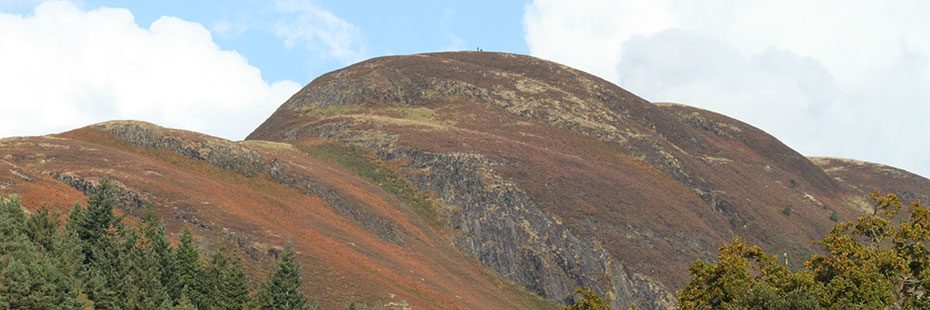
- Why it’s special: Classic loch-side camping with stunning views across to the Luss hills and Ben Lomond.
- Access: Via the West Highland Way footpath from Balmaha or Rowardennan.
- Difficulty: Easy to Moderate.
- Best spots: North of the Rowardennan car park, outside the main Camping Management Zone. Look for small beaches and clearings.
- When to go: May-September. Crucially, check the Camping Management Zone map and dates to ensure you are camping legally.
- Water source: Loch Lomond.
4. Cairngorms National Park
- Why it’s special: The UK’s largest National Park, featuring a vast, sub-arctic plateau, ancient forests, and five of the UK’s six highest mountains.
- Access: Multiple points, including Aviemore in the north and Braemar in the south.
- Difficulty: Moderate to Difficult. This is serious mountain country.
- Best spots: The remote and beautiful Loch Avon (An Lochan Uaine), the sandy beaches of Loch Einich, or the sheltered floor of Glen Derry.
- When to go: June-September for non-winter conditions. Winter camping requires full winter mountaineering skills and equipment.
- Water source: Numerous pure mountain streams and lochs.
5. Isle of Skye
- Why it’s special: Otherworldly landscapes, from the jagged peaks of the Cuillin mountains to the bizarre rock formations of the Quiraing and the Old Man of Storr.
- Access: Via the bridge from Kyle of Lochalsh.
- Difficulty: Varies from easy coastal spots to difficult mountain camps.
- Best spots: Near Sligachan for Cuillin views, Glenbrittle beach, or high up on the Quiraing ridge for the adventurous.
- When to go: May-September. Skye is extremely popular, so finding solitude requires more effort.
- Water source: Plentiful streams, but always treat.
6. Knoydart Peninsula
- Why it’s special: Known as “Britain’s Last Wilderness,” Knoydart is not connected to the mainland road network. It offers true remoteness and a profound sense of adventure.
- Access: By ferry from Mallaig to Inverie, or a challenging 16-mile hike in.
- Difficulty: Difficult due to its remoteness and rugged terrain.
- Best spots: Barisdale Bay on the shore of Loch Hourn, or along the coast of Loch Nevis.
- When to go: June-August when the ferry service is regular and weather is most stable.
- Water source: Streams and lochs are everywhere.
7. Ben Nevis Area
- Why it’s special: The chance to camp in the shadow of the UK’s highest mountain.
- Access: From Fort William, head up Glen Nevis.
- Difficulty: Moderate to Difficult.
- Best spots: For an easier option, find a spot in the upper reaches of Glen Nevis. For experienced mountaineers, a high camp near the CIC Hut on the North Face offers an unforgettable experience. Do not camp on the summit plateau.
- When to go: June-September for the valley. High camps are a serious undertaking.
- Water source: River Nevis and high mountain streams.
8. Galloway Forest Park
- Why it’s special: A more accessible option in Southern Scotland. It’s the UK’s first “Dark Sky Park,” making it phenomenal for stargazing.
- Access: From Newton Stewart or New Galloway.
- Difficulty: Easy to Moderate.
- Best spots: Around the shores of Loch Trool, Loch Dee, or Clatteringshaws Loch.
- When to go: May-September.
- Water source: The many lochs and streams in the park.
3.2 England (With Caveats)
Remember, permission is legally required. The following are areas where discreet, responsible camping has been traditionally tolerated in remote spots.
1. Lake District Fells
- Legal status: Permission needed, but generally tolerated on high fells above the intake walls (the highest stone walls enclosing farmland).
- Best approach: Pitch your tent on a small, level spot high on a fell, well away from paths and water sources. Arrive late, leave early.
- Recommended spots: The upper parts of valleys like Borrowdale, Great Langdale, or near remote tarns like Sprinkling Tarn.
- Access: Numerous villages like Keswick, Ambleside, and Grasmere.
- Difficulty: Moderate.
2. Dartmoor National Park
- Legal status: Uncertain and complex after recent legal challenges. Check the National Park Authority website for the most current advice.
- Best approach: Follow the official guidance, which may involve using a map of permitted areas or seeking permission. The “leave no trace” ethos is more important here than ever.
- Recommended spots: Traditionally, high moorland areas away from roads and settlements.
- Access: Towns like Okehampton and Tavistock provide good starting points.
- Difficulty: Easy to Moderate.
3. Peak District
- Legal status: Strictly requires landowner permission. The park authority does not permit wild camping.
- Best approach: Only for the most experienced and discreet. Any camping must be done with extreme care, far from view on remote moorland. This is not a recommended area for beginners.
- Recommended spots: The vast, remote moorland of the Dark Peak area.
- Access: Villages like Edale or Hope.
- Difficulty: Moderate.
3.3 Wales (With Caveats)
Similar to England, wild camping is not a legal right. High, remote camps are sometimes tolerated.
1. Snowdonia (Eryri) National Park
- Legal status: Permission from the landowner is required. The National Park Authority asks people not to wild camp.
- Best approach: Small, discreet camps high in the mountains, away from popular paths. Arrive late, leave early, leave no trace.
- Recommended spots: The Glyderau range (e.g., near Llyn y Cwn) or the Carneddau plateau offer remote possibilities for experienced hikers.
- Access: The Ogwen Valley is a popular starting point for the high peaks.
- Difficulty: Moderate to Difficult.
2. Brecon Beacons (Bannau Brycheiniog)
- Legal status: Permission required. The park has a list of farms that allow camping for a small fee.
- Best approach: Use the listed farm sites or, for a true wild camp, seek permission from a farmer in a remote valley. Discreet high camps are less common but may be tolerated.
- Recommended spots: The remote heads of valleys in the Black Mountains or around the western Beacons.
- Access: Numerous villages like Brecon, Crickhowell, and Abergavenny.
- Difficulty: Moderate.
4. Essential Wild Camping Gear Checklist
Your comfort and safety depend entirely on the gear you carry. The goal is to balance comfort, durability, and weight. Here’s a comprehensive checklist for a typical 3-season UK wild camp.A typical lightweight backpacking kit. Pack only what you need. Selecting the right equipment can greatly enhance your outdoor experience. Researching the best ultralight backpacks for hiking can help you find a pack that meets your needs without weighing you down. Remember, each item should serve a purpose, contributing to your overall comfort and efficiency on the trail. It’s also crucial to include essential safety items, such as the best first aid kits for hiking, to ensure you’re prepared for any unforeseen situations. Additionally, consider packing a compact emergency shelter and a reliable navigation tool to enhance your readiness while exploring the great outdoors. Prioritize lightweight materials for these items to keep your overall pack weight manageable. A reliable ultralight camping mat is essential for wild camping comfort in all seasons.
A 40L rucksack provides enough space for wild camping gear without excess weight – see our recommendations
Shelter System
- Tent: A lightweight, 3-season tent is ideal. Freestanding models are easier to pitch on rocky ground. Look for something under 2kg.
- Recommendation: MSR Hubba Hubba NX 2 (approx. 1.3kg). A gold-standard lightweight tent. See our guide to the best backpacking tents.
- Budget Option: Vango Banshee 200 (approx. 2.0kg). A reliable and weatherproof tunnel tent.
- Sleeping Bag: A 3-season bag with a comfort rating between 0°C and 5°C is versatile for most of the UK year. Check out our review of the best sleeping bags for backpacking.
- Sleeping Mat: Crucial for both comfort and insulation. An insulated air mat with an R-value of 3.0 or higher is recommended.
- Bivvy Bag (optional): A waterproof outer bag for your sleeping bag. Good for emergencies or for minimalist trips in stable weather.
- For 2-person shelter, see our MSR Hubba Hubba NX Review“
Cooking & Water
- Stove: A simple gas canister stove (like a MSR PocketRocket or Jetboil) is easiest for beginners.
- Cookset: A lightweight titanium or aluminium pot (750-900ml is enough for one person).
- Water Filter/Treatment: Essential. Never drink untreated water.
- Filter: A Sawyer Squeeze is a popular, lightweight choice.
- Tablets: Katadyn Micropur or chlorine dioxide tablets are a reliable backup. See our guide to water filters.
- Water Containers: Capacity for 2-3 litres. A combination of a hard bottle and a soft bladder works well.
- Lighter/Matches: Bring a primary and a waterproof backup.
Clothing (Layering System)
- Base Layers: Merino wool or synthetic top and bottoms (not cotton).
- Insulation Layer: A fleece jacket and/or a lightweight down jacket for warmth when you stop.
- Outer Shell: A reliable waterproof jacket and waterproof trousers are non-negotiable in the UK.
- Footwear: Broken-in walking boots or sturdy trail shoes.
- Socks: 2-3 pairs of good quality wool hiking socks.
- Warm Hat & Gloves: Essential, even in summer.
Navigation & Safety
- Map & Compass: An Ordnance Survey (OS) map for your area (1:25,000 or 1:50,000) and a compass. Know how to use them.
- GPS/Smartphone: A dedicated GPS device or a smartphone with a mapping app (like OS Maps or Gaia GPS) and downloaded offline maps.
- Head Torch: Essential for setting up camp and navigating in the dark. Bring spare batteries. We recommend the best head torches in our guide.
- First-Aid Kit: A comprehensive kit including blister plasters, bandages, antiseptic wipes, pain killers, and any personal medication.
- Emergency Shelter: A lightweight bothy bag or survival bag can be a lifesaver.
- Whistle: Six short blasts is the international distress signal.
Other Essentials
- Trowel (for digging catholes for human waste).
- Toilet paper & hand sanitiser.
- Rubbish bags (to pack everything out).
- Sunscreen & insect repellent (especially midge repellent for Scotland).
- Trekking poles (optional, but save your knees).
- Repair kit (tenacious tape, cordage).
Weight Targets (Base Weight: Pack weight without food, water, fuel)
- Ultralight: Sub-5kg. For experienced minimalists. Often uses ultralight backpacks.
- Lightweight: 5-8kg. A great target for most backpackers.
- Standard: 8-12kg. Perfectly acceptable, especially when starting out.
5. Leave No Trace: The Wild Camper’s Code
The future of wild camping access in the UK depends on every individual’s commitment to leaving the wild as they found it. The seven Leave No Trace principles are the foundation of responsible outdoor recreation.Memorise and live by these principles on every trip.
- Plan Ahead & PrepareGood trips start at home. Research your route, check access rights, and get a reliable weather forecast (like the Mountain Weather Information Service). Pack appropriate gear and tell someone your detailed plans, including your route and expected return time.
- Travel & Camp on Durable SurfacesStick to established paths to avoid eroding the landscape. When choosing a campsite, use existing pitches if available. Otherwise, select a durable surface like dry grass, sand, or gravel. Avoid fragile vegetation, mosses, and areas that look like they are recovering.
- Dispose of Waste ProperlyThis is simple: pack it in, pack it out. This includes all food scraps, wrappers, and even fruit peels. For human waste, dig a “cathole” 6-8 inches (15-20cm) deep and at least 200 feet (70 steps) from any water source, path, or campsite. Bury your waste and disguise the hole. Pack out used toilet paper in a sealed bag.
- Leave What You FindResist the temptation to build structures, dig trenches, or move rocks. Leave natural objects and cultural artefacts as you find them for others to enjoy. Avoid damaging live trees and plants.
- Minimize Campfire ImpactsThe best practice in the UK is to not have a fire. The peaty soil can smoulder underground for days, causing devastating wildfires. Use a camping stove for cooking. If a fire is permissible and absolutely necessary, use an existing fire ring, keep it small, and ensure it is completely extinguished with water before you leave.
- Respect WildlifeObserve wildlife from a distance and never feed them. Store your food securely at night to avoid attracting animals to your tent. Be especially careful during nesting season (March-July) to avoid disturbing ground-nesting birds.
- Be Considerate of Other VisitorsWild camping is often about solitude. Keep noise to a minimum. Pitch your tent away from others and out of sight of paths and buildings. Respect the local community and farming activities—leave gates as you find them and keep dogs under close control, especially near livestock.
6. Practical Tips for First-Time Wild Campers
Your first few trips can be daunting. These practical tips will help make them safer, more comfortable, and more enjoyable.
Site Selection
Aim to find your spot with at least an hour or two of daylight left. Rushing to set up in the dark is stressful. Look for:
- Level Ground: Test it by lying down before you pitch your tent. A slight slope is a recipe for a bad night’s sleep.
- Shelter: Use natural features like a small dip or a rock outcrop to protect you from the wind.
- Drainage: Avoid pitching in a hollow or depression where water will collect if it rains.
- Water Source: Find a spot within a 5-10 minute walk of a reliable water source (stream or loch).
Avoid pitching directly on exposed ridgelines (too windy), in valley bottoms (cold air sinks there), or right next to water (colder, more condensation, and bad for the environment).A well-chosen pitch: level, sheltered, and on a durable surface.
Water Management
Always filter or treat your water, no matter how clear and pure it looks. Mountain streams can be contaminated by dead animals or livestock further upstream. Collect water in the evening to save time in the morning. In winter, store your water bottles inside your tent (or even your sleeping bag) to prevent them from freezing.
Cooking & Food
To minimize smells and condensation in your tent, cook at least 50 metres away from where you sleep. Dehydrated or pre-prepared meals are lightweight and save fuel. A hot drink before bed is a huge morale booster on a cold, wet evening.
Night Comfort
Go to the toilet right before you get into your sleeping bag. If you get cold, do some star jumps or sit-ups to generate body heat before getting in. Always change into dry clothes for sleeping—even slightly damp clothes will chill you. Earplugs can be a lifesaver if you’re a light sleeper unaccustomed to the sounds of the wild. Consider investing in good sleeping pad options for UK camping to enhance your comfort during the night. A high-quality pad can insulate against the cold ground and provide cushioning, making it easier to get a restful night’s sleep. Additionally, a well-chosen pad can help reduce moisture buildup, keeping you warmer and drier throughout your camping adventure.
Morning Routine
The golden rule is to leave your campsite cleaner than you found it. Do a final sweep for any micro-litter. Fluff up the grass where your tent was to help it recover. Aim to be packed up and gone by 9 am, especially in England and Wales. Before you head out, ensure that all food scraps and waste are properly disposed of to prevent wildlife disturbances. Additionally, take a moment to check out the best camping pillow options 2025 to enhance your comfort on future trips. Staying organized and mindful not only protects nature but also sets a positive example for fellow campers. Consider researching the best camping chair recommendations 2025 to further elevate your outdoor experience. A comfortable chair can make a significant difference during evenings around the campfire, allowing you to relax and enjoy the sights and sounds of nature. Remember, the more enjoyable your setup, the more likely you’ll want to keep returning to the great outdoors.
7. Safety Considerations
Wilderness environments are inherently risky. Being prepared is key to a safe trip.
Weather
The UK’s mountain weather is notoriously fickle and can change in minutes. Check a mountain-specific forecast like MWIS or the Met Office Mountain Weather. Be prepared for wind, rain, and cold temperatures even in summer. Hypothermia is a real risk. Know when to turn back.
Navigation
Do not rely solely on your phone’s GPS. Batteries die, phones break, and signal is often non-existent. Carry a physical map and compass and, most importantly, know how to use them. Download offline maps to your phone as a backup.
Wildlife
The UK has no large predators to worry about. The main concerns are smaller:
- Ticks: These tiny arachnids can carry Lyme disease. They are common in grassy and heathery areas. Wear long trousers, use repellent, and check your body thoroughly each day. Remove any ticks promptly and correctly with a tick-remover tool.
- Midges: The bane of the Scottish summer (May-September). These tiny biting insects can ruin a trip. A head net and a good repellent (containing DEET or Saltidin) are essential.
- Adders: The UK’s only venomous snake. They are shy and will usually flee. Bites are rare and generally not fatal, but require medical attention. Avoid disturbing them by sticking to paths in long grass during summer.
Human Factors
Always tell someone reliable your detailed plan (route, camp locations, return date). Carry emergency contact information. Mobile signal is unreliable in most wild camping areas; consider carrying a satellite messenger or Personal Locator Beacon (PLB) for serious, remote trips.
Injuries
The most common issues are blisters, slips, and sprains. Wear well-fitting boots, take care on uneven ground, and carry a first-aid kit that you know how to use. Have a plan for what you would do in an emergency, including knowing your location and potential escape routes.
8. Seasonal Considerations
Wild camping changes dramatically with the seasons. Choose the right time of year for your experience level.
Summer (June – August)
- Pros: Longest daylight hours, warmest temperatures, generally more stable weather. The best season for beginners.
- Cons: Midges in Scotland can be intense. Popular spots will be busier.
- Gear: A standard 3-season kit is usually sufficient.
Spring / Autumn (April-May, September-October)
- Pros: Fewer crowds, often beautiful light and colours. Midges are less of a problem.
- Cons: Weather is more unpredictable. Nights are colder and daylight is shorter.
- Gear: You’ll need a warmer sleeping bag (0°C comfort rating) and an extra insulation layer.
Winter (November – March)
- Pros: Stunning snow-covered landscapes, ultimate solitude, no midges.
- Cons: Extremely cold, short daylight hours, and potentially dangerous conditions (avalanches, deep snow, ice).
- Gear: This requires specialist winter equipment: a 4-season tent, a winter sleeping bag (-10°C comfort or lower), an ice axe, crampons, and the knowledge to use them.
- Tips: Winter wild camping is only for experienced winter mountaineers. Consider taking a winter skills course first.
9. Common Mistakes to Avoid
Learn from the mistakes of others to make your first trips a success.
- Camping too close to water: It’s colder, attracts insects, and can contaminate the water source. Camp at least 50-100m away.
- Arriving too late: Setting up in the dark is difficult, stressful, and makes you more conspicuous.
- Over-packing: A heavy pack ruins the enjoyment of the walk in. Be ruthless with what you pack.
- Under-packing: Forgetting an essential like a waterproof jacket or head torch can be uncomfortable and dangerous. Use a checklist.
- Not checking the weather: Being caught in a mountain storm without the right gear is a serious situation.
- Ignoring local access rules: Camping in a restricted zone or against a landowner’s wishes damages the reputation of all wild campers.
- Leaving any trace: Even a single piece of rubbish or a badly dug cathole is unacceptable.
- Being loud: Respect the peace of the wilderness and the solitude of other campers.
- Making inappropriate fires: This is a major fire risk and damages the ground for years. Use a stove.
- Not carrying enough water or a filter: Dehydration is a serious risk.
10. Recommended Wild Camping Courses & Resources
Continuously building your skills and knowledge is part of the journey.
Courses
- Mountain Training UK: Offers nationally recognised qualifications in Hill and Mountain Skills, which often include navigation and campcraft.
- Glenmore Lodge: Scotland’s National Outdoor Training Centre offers specific courses on wild camping and backpacking.
- Plas y Brenin: The National Outdoor Centre for Wales, providing a range of mountain skills courses.
Books
- “Wild Camping: Exploring and Sleeping in the Wilds of the UK and Ireland” by Chris Townsend.
- “Scottish Outdoor Access Code” (available as a free PDF online).
- Ordnance Survey’s “The Official Guide to Map Reading”.
Websites & Apps
- walkhighlands.co.uk: An indispensable resource for routes and walk reports in Scotland.
- outdooraccess-scotland.scot: The official source for the Scottish Outdoor Access Code.
- OS Maps App: Subscription-based app for all OS maps on your phone with offline capability.
- Gaia GPS: A powerful mapping and navigation app for serious adventurers.
Communities
- Facebook Groups: Search for “UK Wild Camping” to find active communities (be sure to vet the advice given).
- Reddit: The r/WildCampingAndHiking subreddit is a global community with useful tips.
11. Conclusion: Your Adventure Awaits
Wild camping is undoubtedly one of the most rewarding ways to experience the UK’s incredible landscapes. It offers a unique blend of freedom, challenge, and profound connection to the natural world. While Scotland provides the most straightforward and legal starting point for beginners, the wild corners of England, Wales, and Northern Ireland also hold immense rewards for those who approach them with respect, discretion, and a deep understanding of their responsibilities. Regardless of location, having the right gear enhances the wild camping experience. As you plan your adventure, consider investing in the best camping chairs for 2025 to ensure comfort during your evenings under the stars. With the perfect setup, you can fully immerse yourself in the serenity and beauty of nature, making every moment unforgettable.
The key is to embrace the ethos of Leave No Trace as a non-negotiable part of your routine. Start with accessible, single-night trips in summer, gradually building your confidence, skills, and gear. Learn to read a map, understand the weather, and be self-sufficient. The learning curve is part of the adventure, and the freedom you’ll find on a remote hillside, with the world spread out beneath you, is a prize worth every ounce of effort. As you gain experience, consider exploring longer trails, like the Hadrian’s Wall Walk, the stunning South West Coast Path, which offers breathtaking views and diverse landscapes. For those planning extended hikes, a south west coast path overview will help you navigate its many sections and highlights efficiently. Remember to practice good stewardship and leave each site better than you found it, ensuring future adventurers can enjoy the same beauty. As you expand your hiking repertoire, consider tackling iconic routes like the Hadrian’s Wall walking route details, which allows you to immerse yourself in both history and stunning scenery. Engaging with these paths not only enhances your skills but also deepens your appreciation for the natural and cultural heritage they represent. Always remember to stay prepared, respect wildlife, and share your experiences with fellow adventurers to inspire them on their journey.
Sources
This article is a comprehensive guide created based on a detailed content brief for 2025. The information on laws, locations, and best practices reflects established knowledge and widely accepted codes of conduct within the UK hiking and backpacking community. Authoritative external resources, such as the Scottish Outdoor Access Code, Mountain Weather Information Service, and National Park authorities, have been linked throughout the text for further verification and up-to-date information. Additionally, the article offers insights into the best lightweight tents for backpacking, helping adventurers choose the right gear for their journeys. By incorporating expert reviews and recommendations, readers can make informed decisions that enhance their outdoor experiences. Whether you’re a seasoned hiker or a novice backpacker, this guide serves as a valuable resource for navigating the trails with confidence. The article also includes a west highland way trail overview, detailing the spectacular landscapes and key points of interest along this iconic route. With tips on preparing for changing weather conditions and navigating potential challenges, readers will be well-equipped to tackle this popular hike. Explore the rich history and wildlife that the trail offers, ensuring a memorable and enriching experience in the great outdoors.
